Fasting and Ketones for Energy
Fasting is more than just a trend; it’s a powerful tool that can reshape your metabolism and enhance weight loss. Have you ever wondered how skipping meals might actually boost your fat-burning abilities? This isn't just another diet fad; understanding the science behind ketone bodies can provide significant insights into this process.
What You Will Learn
- Fasting triggers ketone production, providing an alternative energy source for your brain and body.
- Ketones are more efficient than glucose, offering enhanced energy for cognitive function and mental clarity.
- The process of ketogenesis allows your body to thrive on ketones instead of glucose, especially during low carbohydrate intake.
- Understanding the balance between ketone production and gluconeogenesis is essential for optimizing metabolic health.
Ketone Bodies & Fasting: A Metabolic Overview
Delve into the core processes of how your body produces and utilizes ketone bodies during fasting, and uncover the key benefits for brain function and overall metabolic health. For a deeper understanding of how your body shifts its energy sources, explore shifting energy during fasting periods.
Ketone Body Production & Types
During low-carb intake or fasting, the liver produces three main types of ketone bodies as an alternative fuel source:
- Beta-hydroxybutyrate (BHB): Most abundant, primary energy source.
- Acetoacetate: Can be converted to BHB or used directly.
- Acetone: Waste product, exhaled or excreted.
Energy Source Shift: Glucose to Ketones
When glucose is scarce (fasting), the body shifts to breaking down fatty acids. This process produces ketones, which become a vital fuel for organs, including the brain.
- Brain Energy: Up to 70% from ketones during prolonged fasting.
- Metabolic Switch: Enhances metabolic flexibility & mental clarity.
The Ketogenesis Process Flow
- Fatty acids mobilized from adipose tissue.
- Transported to the liver; converted to acetyl-CoA.
- Acetyl-CoA transformed into ketone bodies.
This pathway allows the body to function efficiently when carbohydrate intake is low.
Key Benefits of Ketone Utilization
- Keto Production: Fasting provides an alternative energy source.
- Brain Benefits: Enhanced cognitive function, mental clarity.
- Oxidative Stress Reduction: Potential neuroprotective benefits.
Embracing fasting can lead to significant improvements in metabolic health.
The Science Behind Ketone Bodies and Fasting
When we delve into the world of fasting, one of the fascinating aspects we uncover is the role of ketone bodies. But what exactly are these compounds, and why are they so important for our metabolic health? Let's break it down in a way that makes sense and highlights their significance.
Understanding Ketone Bodies: What Are They?
Ketone bodies are essentially three types of molecules produced by the liver during periods of low carbohydrate intake or fasting. The main types are beta-hydroxybutyrate, acetoacetate, and acetone. Each of these plays a unique role in how our bodies function when glucose isn’t readily available.
- Beta-hydroxybutyrate (BHB): This is the most abundant ketone and serves as a significant energy source.
- Acetoacetate: This ketone can be transformed into BHB or used directly for energy.
- Acetone: Often considered a waste product, acetone is exhaled or excreted in urine and has a distinct smell.
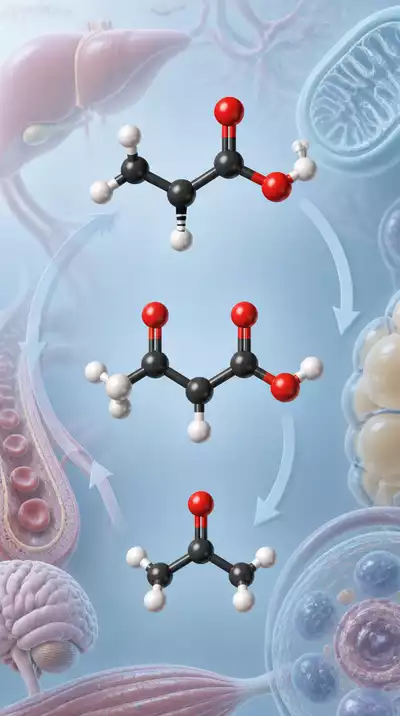
These ketone bodies act as an alternative fuel source for our bodies, particularly when we’re fasting or on a low-carb diet. This shift helps to keep our energy levels stable, allowing us to function effectively without relying on glucose. For more on how your body adapts to different fuel sources, read about understanding metabolic flexibility and fasting.
How Ketone Bodies Serve as an Alternative Fuel Source
When our body doesn't have enough glucose, such as during fasting, it begins to break down fatty acids for energy. This process leads to the production of ketone bodies, which then supply energy to vital organs, including the brain. Interestingly, the brain can derive up to 70% of its energy from ketones during prolonged fasting!
This metabolic switch is not just fascinating; it's beneficial for maintaining mental clarity and overall cognitive function. So, the next time you consider skipping a meal, remember that your body has a backup plan ready to go!
The Role of Fasting in Ketone Production
Fasting isn’t just a trend; it's a powerful way to promote the production of ketone bodies. During fasting, your body undergoes a metabolic switch from utilizing glucose to relying on ketones. This switch is crucial in enhancing our metabolic flexibility.
How Fasting Induces Metabolic Switching from Glucose to Ketones
When you begin fasting, your insulin levels drop. This decrease signals your body to start breaking down stored fat for energy, which leads directly to ketogenesis—the production of ketone bodies. It’s a process that underscores the efficiency of our bodies to adapt to different fuel sources!
The Process of Ketogenesis: From Fatty Acids to Ketone Bodies
In simple terms, ketogenesis occurs in the liver when fatty acids are broken down into acetyl-CoA, which is then converted into ketones. This process serves as an important energy pathway, enabling your body to function even when carbohydrate intake is low.
- Fatty acids are mobilized from adipose tissue.
- They are transported to the liver, where they are converted to acetyl-CoA.
- Acetyl-CoA transformed into the three primary ketone bodies.
As you can see, fasting initiates a remarkable process that allows our bodies to thrive on ketones instead of glucose, providing a vital energy source when we need it most.
The Relationship Between Gluconeogenesis and Fasting Periods
During fasting, another critical metabolic process occurs: gluconeogenesis. This is how your body generates glucose from non-carbohydrate sources, like amino acids and glycerol. While ketone production ramps up, gluconeogenesis ensures that your body maintains necessary glucose levels for specific functions.
It's a balance of energy sources, and understanding this dynamic is essential for anyone interested in the effects of fasting on health!

Frequently Asked Questions About Ketone Bodies and Fasting
Q: What are ketone bodies?
A: Ketone bodies are three types of molecules (beta-hydroxybutyrate, acetoacetate, and acetone) produced by the liver during periods of low carbohydrate intake or fasting. They serve as an alternative fuel source for the body and brain when glucose is scarce.
Q: How does fasting lead to ketone production?
A: During fasting, insulin levels drop, signaling the body to break down stored fat for energy. This process, called ketogenesis, occurs in the liver where fatty acids are converted into acetyl-CoA, which then transforms into ketone bodies.
Q: What are the main benefits of using ketones for energy?
A: Utilizing ketones offers several benefits, including providing an alternative energy source for the brain and body, enhancing cognitive function and mental clarity, and potentially reducing oxidative stress.
Q: Can the brain use ketones for energy?
A: Yes, absolutely. During prolonged fasting, the brain can derive up to 70% of its energy from ketone bodies, demonstrating its adaptability to different fuel sources.
Q: What is gluconeogenesis and how does it relate to fasting?
A: Gluconeogenesis is the process by which your body creates glucose from non-carbohydrate sources (like amino acids and glycerol) during fasting. It works in conjunction with ketone production to ensure the body maintains essential glucose levels for specific functions, balancing energy sources.
Engage with Us!
As you consider incorporating fasting into your lifestyle, we want to know: What excites you the most about exploring fasting and ketone bodies? Share your thoughts below!
Summary of Ketone Bodies and Fasting Benefits
As we wrap up our exploration of ketone bodies and fasting, let's highlight the significant benefits that come from understanding this metabolic dance. Fasting not only promotes the production of ketones but also enhances brain function and overall health. The shift from using glucose to ketones as the body’s primary fuel source is a remarkable metabolic switch that can lead to lasting improvements in your well-being.
Here are some key takeaways from our discussion:
- Keto Production: Fasting triggers ketone production, providing an alternative energy source for your brain and body.
- Brain Benefits: Ketones are more efficient than glucose, offering enhanced energy for cognitive function and mental clarity.
- Oxidative Stress Reduction: The use of ketones can mitigate oxidative stress, potentially offering neuroprotective benefits.
With these points in mind, the relationship between fasting and ketone bodies can pave the way for a healthier lifestyle. Embracing fasting may very well be one of the best choices you can make for your metabolic health!
Next Steps: Integrate Fasting into Your Lifestyle
If you're ready to explore the world of fasting, here are some practical tips to help you begin your journey safely:
- Start Slow: If you’re new to fasting, consider starting with a 12-hour fast overnight and gradually increase the duration.
- Stay Hydrated: Water is essential! Make sure to drink plenty of fluids during your fasting periods.
- Listen to Your Body: Pay attention to how you feel. If you experience fatigue or dizziness, it may be a signal to adjust your approach.
Additionally, consider incorporating mindful practices to enhance your fasting experience. Activities like meditation or gentle yoga can create a more positive connection with your fasting schedule. Remember, the goal is to foster a sustainable and enjoyable routine that fits seamlessly into your life.
Lastly, think about how your exercise performance might evolve during fasting. Many individuals find that once they adapt to utilizing ketones for energy, their workouts can actually benefit from increased endurance and focus. This synergy between exercise and fasting can unlock new levels of performance while supporting metabolic health. For more insights into optimizing your workouts, consider exploring our guide on exercise timing for fasting benefits.
So, what are you waiting for? Start experimenting with fasting and ketone utilization today. Your body—and your brain—will thank you!
Recap of Key Points
Here is a quick recap of the important points discussed in the article:
- Keto Production: Fasting triggers ketone production, providing an alternative energy source for your brain and body.
- Brain Benefits: Ketones are more efficient than glucose, offering enhanced energy for cognitive function and mental clarity.
- Oxidative Stress Reduction: The use of ketones can mitigate oxidative stress, potentially offering neuroprotective benefits.
- Start Slow: If you’re new to fasting, consider beginning with a 12-hour fast overnight and gradually increasing the duration.
- Stay Hydrated: Ensure you drink plenty of fluids during your fasting periods.
- Listen to Your Body: Pay attention to your body's signals and adjust your fasting approach accordingly.

Dr. Avery R. Lawson
Dr. Avery R. Lawson is an independent health researcher dedicated to making complex metabolic and nutrition science accessible. With a focus on the physiological effects of fasting, she interprets and communicates research findings to empower individuals in their health journeys. Through evidence-based insights, Dr. Lawson aims to demystify weight loss and promote sustainable wellness practices at Fasting Mechanics.
Popular Posts
Mastering Metabolic Flexibility Through Fasting
![Mastering Metabolic Flexibility Through Fasting]() What if the secret to optimizing your health lies in your body's ability to switch between burning f
What if the secret to optimizing your health lies in your body's ability to switch between burning f
 What if the secret to optimizing your health lies in your body's ability to switch between burning f
Tailoring Fasting to Your Metabolism
![Tailoring Fasting to Your Metabolism]() What if your approach to fasting could be as unique as your fingerprint? Personalized fasting method
What if your approach to fasting could be as unique as your fingerprint? Personalized fasting method
 What if your approach to fasting could be as unique as your fingerprint? Personalized fasting method
Post-Fasting Nutrient Timing Strategies
![Post-Fasting Nutrient Timing Strategies]() Have you ever considered how the timing of your meals might influence your metabolic health? The fas
Have you ever considered how the timing of your meals might influence your metabolic health? The fas
 Have you ever considered how the timing of your meals might influence your metabolic health? The fas
Fasting Formats for Your Goals
![Fasting Formats for Your Goals]() What if your eating schedule could unlock new levels of health and wellness? Understanding various f
What if your eating schedule could unlock new levels of health and wellness? Understanding various f
 What if your eating schedule could unlock new levels of health and wellness? Understanding various f