Fasting's Role in GLUT4 Function
Are you aware of the profound impact fasting can have on your metabolism? Research indicates that fasting not only supports fat mobilization but also enhances our body's efficiency in utilizing stored energy. By understanding the role of GLUT4 during fasting, you can unlock powerful strategies for managing your weight and overall health.
What You Will Learn
- GLUT4 is essential for glucose uptake and regulates energy storage in muscle and fat tissues.
- Fasting reduces GLUT4 levels, prompting the body to mobilize fat stores for energy.
- Insulin plays a crucial role in GLUT4 translocation, influencing energy homeostasis during feeding and fasting states.
- Hormones like glucagon and catecholamines enhance fat mobilization during fasting, complementing the effects of reduced GLUT4 activity.
Fasting's Impact on GLUT4 Translocation and Fat Mobilization
The visual below illustrates the intricate relationship between fasting, GLUT4 dynamics, and the body's shift towards fat utilization for energy. This shift is a core component of understanding fasting and fat burning, showcasing how our bodies adapt to periods of food abstinence.
Fasting State
Insulin Levels & GLUT4
↓ Insulin Levels
↓
↓ GLUT4 Translocation
Metabolic Shift
Fat Mobilization
↑ Lipolysis (Fat Breakdown)
↑
↑ Fat Utilization for Energy
Key Hormones & Enzymes
- Glucagon: Stimulates fat breakdown
- Catecholamines: Enhance lipolysis
- HSL & ATGL: Break down triglycerides
Key Cellular Regulators
- AMPK: Promotes fat oxidation
- mTOR: Inhibited by fasting (cell growth)
- Metabolic Flexibility: Improved fuel switching
Understanding GLUT4 Translocation: The Role of Fasting in Fat Mobilization
Fasting is not just about abstaining from food; it's a fascinating process that triggers significant hormonal and metabolic changes in our bodies. One of the key players in fat metabolism during fasting is GLUT4. This glucose transporter is crucial for insulin-stimulated glucose uptake in skeletal muscle and adipose tissues. Understanding GLUT4's role can illuminate how fasting influences our body's ability to mobilize fat stores and regulate energy.
In the context of fasting, GLUT4's functions become even more intriguing. When we fast, our body transitions from using glucose for energy to tapping into fat stores, and GLUT4 plays a vital role in this metabolic shift. By examining GLUT4, we can better grasp the profound effects fasting has on our metabolism and overall health.
What is GLUT4 and Why is It Important?
GLUT4, or Glucose Transporter Type 4, is a protein that facilitates the transport of glucose into cells, particularly in skeletal muscle and fat tissues. Its importance lies in its ability to regulate blood sugar levels and influence energy storage. When insulin is present, GLUT4 translocates to the cell membrane to allow glucose entry, helping to maintain metabolic balance.
- Role in glucose uptake: GLUT4 is essential for the efficient uptake of glucose, especially after meals.
- Impact on weight management: Proper functioning of GLUT4 can help prevent excessive fat accumulation.
- Link to metabolic diseases: Impaired GLUT4 activity is associated with conditions like obesity and type 2 diabetes.
In the world of fasting, understanding GLUT4's function is key to unlocking the potential benefits of this practice. When we fast, the body adapts, and so does GLUT4's role in energy utilization. This transition is essential for harnessing fat as an energy source, leading us to explore the mechanisms behind insulin-induced GLUT4 translocation.
The Mechanisms of Insulin-Induced GLUT4 Translocation
Insulin plays a pivotal role in the translocation of GLUT4 to the plasma membrane. When insulin binds to its receptor on muscle or fat cells, it triggers a cascade of events through signaling pathways, including the well-studied PI3K/Akt pathway. This pathway is crucial for enhancing GLUT4's availability at the cell surface.
- Insulin receptor activation: Insulin binds to its receptor, initiating the signaling cascade.
- PI3K/Akt pathway: This pathway is activated, leading to GLUT4 translocation.
- GLUT4 insertion: GLUT4 is then inserted into the plasma membrane, allowing glucose uptake.
This process is vital for maintaining energy homeostasis, especially after eating. However, during fasting, the intricate balance of these mechanisms shifts, which is essential for understanding how fasting influences fat mobilization and overall metabolic health. For more details on this, explore fasting's role in insulin sensitivity.
The Impact of Fasting on GLUT4 Translocation and Lipolysis
Fasting induces significant changes in GLUT4 dynamics, which directly impacts fat mobilization. As we extend our fasting periods, we observe a reduction in GLUT4 levels on the plasma membrane, which signals the body to adapt its energy usage.
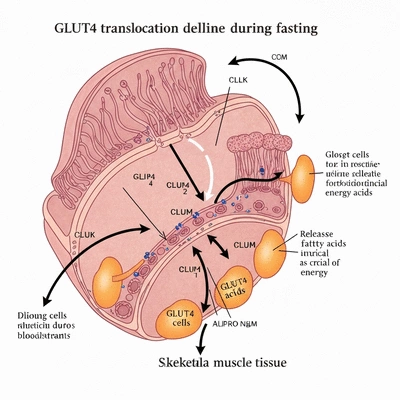
Understanding this relationship between fasting and GLUT4 is crucial, as it ties directly into our body's ability to mobilize fat stores effectively. Let's delve deeper into how fasting modulates GLUT4 surface expression and its implications for lipolysis.
How Fasting Modulates GLUT4 Surface Expression
During fasting periods, especially extended fasting, the expression of GLUT4 on the cell surface decreases. This reduction can initially seem counterproductive, but it actually facilitates a metabolic shift. As we fast, insulin levels drop, leading to lower GLUT4 availability, which pushes the body to rely on fat for energy.
- Decreased insulin levels: Low insulin during fasting reduces GLUT4 translocation.
- Increased reliance on fat: The body begins to mobilize stored fat for energy.
- Enhanced metabolic flexibility: Fasting encourages the body's ability to switch energy sources efficiently.
This adaptive response is vital for those looking to enhance their metabolic health through fasting practices. By understanding how fasting modulates GLUT4, we can appreciate its role in promoting fat mobilization.
Linking Fasting to Enhanced Fat Mobilization through GLUT4
As we fast, the decrease in GLUT4 translocation correlates with increased lipolysis, the breakdown of fat stores for energy. Key enzymes like Hormone-Sensitive Lipase (HSL) and Adipose Triglyceride Lipase (ATGL) become activated during these periods, facilitating fat mobilization.
- HSL activation: HSL plays a crucial role in breaking down stored triglycerides into free fatty acids.
- ATGL function: ATGL is responsible for initiating the lipolysis process, releasing fatty acids for energy use.
- Enhanced fat utilization: The synergy between reduced GLUT4 and increased lipolysis enhances fat utilization during fasting.
Understanding this mechanism not only highlights the importance of GLUT4 in fasting but also how it serves as a bridge linking fasting practices to effective fat loss strategies. As we continue to explore the hormonal influences on GLUT4, we can uncover more about how fasting can be an effective tool in managing weight and metabolic health.
Hormonal Influences: Glucagon and Catecholamines
During fasting, hormones such as glucagon and catecholamines play a significant role in regulating GLUT4 activity. Glucagon increases during fasting, promoting the mobilization of fatty acids from adipose tissue. Catecholamines, like epinephrine, also enhance lipolysis, which complements the effects of reduced GLUT4 surface expression.
- Glucagon's role: It stimulates fat breakdown, counteracting insulin's effects.
- Catecholamine influence: Increases energy expenditure and fat mobilization.
- Synergistic effects: Both hormones work together to enhance fat utilization during fasting.
This hormonal interplay is essential for optimizing fat metabolism and illustrates the complex responses our bodies have to fasting. Understanding these interactions can empower individuals on their health journeys, helping them make informed choices about fasting and its benefits.
AMPK and mTOR: Key Regulators in Fasting and Metabolism
AMP-activated protein kinase (AMPK) and mechanistic target of rapamycin (mTOR) are crucial regulators that respond to fasting. AMPK promotes energy production and fat oxidation, while mTOR is involved in cell growth and metabolism.
- AMPK activation: Increased during fasting, leading to enhanced fat utilization.
- mTOR inhibition: Fasting suppresses mTOR activity, promoting cellular stress responses and energy conservation.
- Balance between pathways: The interplay between AMPK and mTOR influences GLUT4 function and overall metabolism. For a deeper dive into this, consider reading about ketosis and fasting for weight loss.
Understanding the roles of AMPK and mTOR in fasting can provide valuable insights into how we can optimize our fasting practices for better health and metabolic outcomes. With this knowledge, we can better navigate the complexities of fasting and its effects on our bodies.
Interactive Poll: Your Fasting Experience
We want to know how fasting has impacted your life! Have you experienced any changes in your energy levels, weight management, or overall health? Share your thoughts below:
Summarizing the Connection Between Fasting and GLUT4 Translocation
As we wrap up our exploration, it's crucial to understand the significant role that GLUT4 translocation plays in fat mobilization during fasting. We've seen how fasting influences the presence of GLUT4 on the plasma membrane, leading to enhanced fat utilization and metabolic efficiency. This connection not only emphasizes the physiological benefits of fasting but also highlights why it's become a powerful tool for those looking to manage their weight and improve overall health.

In essence, reduced GLUT4 levels during fasting correlate with increased lipolysis and fat mobilization. This is due to the activation of key enzymes such as hormone-sensitive lipase (HSL) and adipose triglyceride lipase (ATGL), which facilitate the breakdown of stored fats. Recognizing these mechanisms can empower you to make informed decisions about incorporating fasting into your lifestyle.
Practical Implications: Applying This Knowledge
Now that we have a better grasp of how fasting affects GLUT4 dynamics, let's discuss how you can leverage this knowledge for enhanced fat mobilization. Here are some practical strategies:
- Choose Intermittent Fasting: Consider adopting a method like the 16:8 fasting approach, which allows for an 8-hour eating window. This can help your body initiate fat-burning processes more effectively.
- Focus on Nutrient-Dense Foods: During your eating windows, prioritize whole foods rich in nutrients. Incorporating healthy fats, lean proteins, and plenty of vegetables will support your metabolic health.
- Stay Hydrated: Drinking plenty of water during fasting periods can aid in metabolism and overall energy levels, making it easier to stick to your fasting routine.
- Monitor Your Body’s Responses: Pay attention to how you feel during fasting. Adjust your approach based on your energy levels and overall well-being, ensuring that fasting is a positive experience.
By following these guidelines, you can tap into the benefits of fasting, facilitating better GLUT4 activity and optimizing fat mobilization in your body. Remember, making informed choices is key to achieving sustainable health results!
Further Exploration and Resources
FAQs on GLUT4 and Fasting
Let’s address some common questions that may arise regarding fasting and GLUT4:
- What is GLUT4? - GLUT4 is a glucose transporter that plays a vital role in glucose uptake, especially in muscle and fat cells. It is critical for regulating blood sugar levels and energy storage.
- How does fasting affect GLUT4 levels? - Fasting typically leads to reduced GLUT4 surface expression due to lower insulin levels, prompting the body to switch to fat utilization for energy.
- Can fasting improve metabolic flexibility? - Yes, fasting can enhance metabolic flexibility, which is the body's ability to efficiently switch between burning glucose and burning fat for fuel.
- What role does insulin play in GLUT4 translocation? - Insulin is crucial for GLUT4 translocation; when insulin binds to cell receptors, it triggers a pathway that moves GLUT4 to the cell membrane to allow glucose entry.
- Is fasting safe for everyone? - While fasting can be beneficial, it’s important to listen to your body and consult a healthcare professional if you have underlying health conditions or are on medication.
These answers can help clarify any lingering doubts and direct you toward healthy fasting practices.
Exploring Metabolic Flexibility through Intermittent Fasting
Intermittent fasting can also enhance your metabolic flexibility, allowing your body to adapt more efficiently to changes in nutrient availability. This flexibility is crucial for optimizing GLUT4 function and overall metabolic health. By cycling between fasting and feeding states, your body becomes better equipped to switch from burning glucose to utilizing fat as fuel.
Call to Action: Engaging with the Science of Fasting
Are you ready to delve deeper into the fascinating world of fasting and GLUT4? I encourage you to explore more about metabolic health through research articles and resources available at Fasting Mechanics. Understanding these principles not only empowers your health journey but also equips you with the knowledge to make informed choices that can lead to lasting wellness. Let's embark on this journey together!
Recap of Key Points
Here is a quick recap of the important points discussed in the article:
- GLUT4's Role: GLUT4 is essential for glucose uptake and plays a significant role in fat metabolism during fasting.
- Insulin-Induced Translocation: Insulin activates GLUT4 translocation to the cell membrane, enabling glucose entry and maintaining energy balance.
- Fasting Effects: Fasting leads to decreased GLUT4 levels, promoting fat utilization and enhancing metabolic flexibility.
- Hormonal Influence: Hormones like glucagon and catecholamines increase during fasting, further supporting fat mobilization and energy expenditure.
- Practical Strategies: Implementing intermittent fasting, focusing on nutrient-dense foods, and staying hydrated can optimize GLUT4 activity and fat mobilization.

Dr. Avery R. Lawson
Dr. Avery R. Lawson is an independent health researcher dedicated to making complex metabolic and nutrition science accessible. With a focus on the physiological effects of fasting, she interprets and communicates research findings to empower individuals in their health journeys. Through evidence-based insights, Dr. Lawson aims to demystify weight loss and promote sustainable wellness practices at Fasting Mechanics.
Popular Posts
Mastering Metabolic Flexibility Through Fasting
![Mastering Metabolic Flexibility Through Fasting]() What if the secret to optimizing your health lies in your body's ability to switch between burning f
What if the secret to optimizing your health lies in your body's ability to switch between burning f
 What if the secret to optimizing your health lies in your body's ability to switch between burning f
Tailoring Fasting to Your Metabolism
![Tailoring Fasting to Your Metabolism]() What if your approach to fasting could be as unique as your fingerprint? Personalized fasting method
What if your approach to fasting could be as unique as your fingerprint? Personalized fasting method
 What if your approach to fasting could be as unique as your fingerprint? Personalized fasting method
Post-Fasting Nutrient Timing Strategies
![Post-Fasting Nutrient Timing Strategies]() Have you ever considered how the timing of your meals might influence your metabolic health? The fas
Have you ever considered how the timing of your meals might influence your metabolic health? The fas
 Have you ever considered how the timing of your meals might influence your metabolic health? The fas
Fasting Formats for Your Goals
![Fasting Formats for Your Goals]() What if your eating schedule could unlock new levels of health and wellness? Understanding various f
What if your eating schedule could unlock new levels of health and wellness? Understanding various f
 What if your eating schedule could unlock new levels of health and wellness? Understanding various f