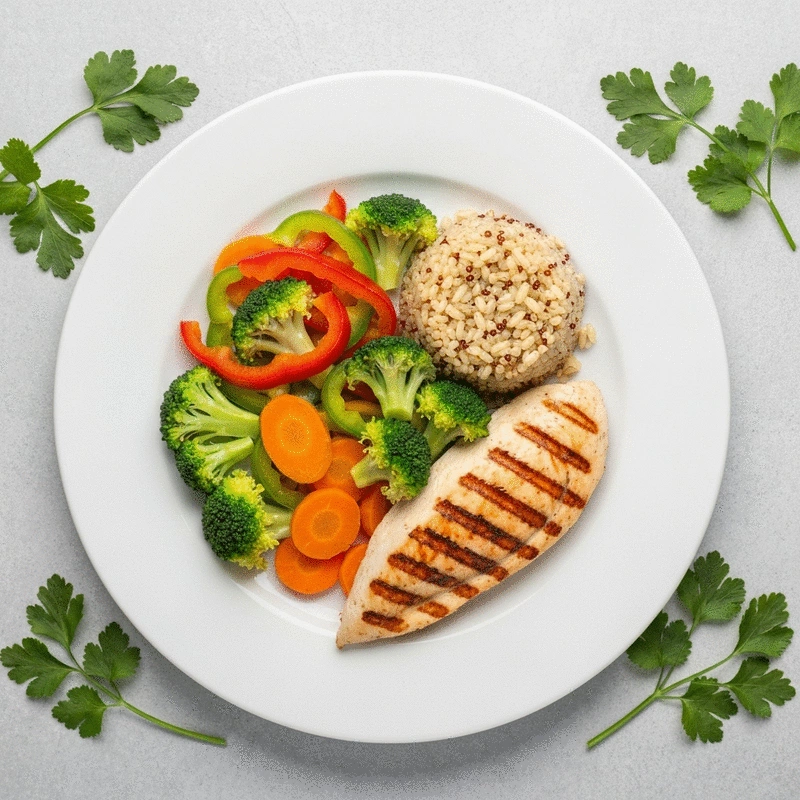
Recommended Daily Protein Intake (per kg body weight)
General Health:
0.8g/kg
Muscle Preservation (Fasting):
1.2g/kg
Resistance Training:
1.6g/kg
What if the key to maintaining muscle while fasting lies not just in when you eat, but in what you eat? Understanding the pivotal role of protein can transform your fasting experience and safeguard your lean mass.
The following visual outlines recommended protein intake for different goals and compares various fasting protocols based on their impact on muscle preservation, highlighting key considerations for each.
Limited daily eating window (e.g., 8-10 hours).
Alternating fasting days with normal eating days.
Reduced-calorie diet mimicking fasting (typically 5 days).
Enhanced fat loss with strategic protein intake.
When it comes to fasting, one of the most overlooked components is protein. It plays a crucial role in preserving lean mass, especially when you’re not eating frequently. As we explore the science of fasting, it’s essential to understand how protein can support our bodies during this process and help maintain muscle health.
At Fasting Mechanics, we’re dedicated to demystifying these concepts. By ensuring adequate protein intake while fasting, you can boost your muscle protein synthesis (MPS), which is vital for maintaining lean mass. So, let’s dive into the specifics! For more insights into how fasting impacts your body, consider understanding autophagy in simple terms.
Protein is the building block of muscle tissue, and its importance during periods of fasting cannot be overstated. When your body lacks a steady supply of nutrients, especially during fasting, it can begin to break down muscle for energy. This is where protein comes into play, acting as a safeguard against muscle loss.
By focusing on protein intake, you can create a more balanced fasting experience that supports your muscle health. Remember, it’s not just about how much you eat; it’s about the quality of what you consume!
Muscle Protein Synthesis (MPS) is a process that repairs and builds muscle tissue. During fasting, it’s crucial to provide your body with enough protein to ensure that MPS is maximized. Consuming high-quality protein sources can lead to better recovery and muscle preservation.
Research indicates that fasting individuals should aim for protein-rich meals to stimulate MPS effectively. Incorporating a mix of both complete proteins (like animal products) and plant-based proteins ensures you’re getting a balanced intake that supports your metabolic needs during fasting.
So, how much protein do you actually need while fasting? A general guideline for adults is to consume about 0.8 to 1.2 grams of protein per kilogram of body weight. However, this may vary based on individual goals, activity levels, and fasting protocols.
Always consider your unique circumstances when determining protein needs. At Fasting Mechanics, we recommend tracking your intake to ensure you’re meeting your goals, especially when fasting!
The method of fasting you choose can significantly influence how your body responds, particularly regarding muscle preservation. Different fasting protocols each come with their own set of benefits and challenges.
Let’s look at some popular fasting strategies and how they align with your protein intake for optimal muscle maintenance.
Time-Restricted Eating (TRE) involves limiting your daily eating window, typically to an 8–10 hour period. This method can be effective for weight loss and metabolic health. During your eating window, focus on high-protein meals that support MPS. If you're new to this approach, a beginner's guide to time-restricted eating can provide a solid foundation.
Using these strategies within the TRE framework can help you maintain lean mass while enjoying the benefits of fasting.
Alternate-Day Fasting (ADF) is a more intense approach, where you alternate between fasting and eating normally. While this can lead to significant fat loss, it’s important to ensure you're getting enough protein on eating days.
Plan meals that emphasize both volume and protein on non-fasting days. Including lean meats, legumes, and dairy products can help meet your protein requirements. This way, you’ll set yourself up for success in maintaining muscle during fasting intervals.
The Fasting-Mimicking Diet (FMD) allows you to consume a reduced-calorie diet that mimics the effects of fasting over a short period (typically five days). This approach helps preserve lean mass while promoting metabolic benefits.
By following the FMD and prioritizing protein-rich foods, you can harness the advantages of fasting without sacrificing muscle health.
Intermittent fasting has gained popularity for its potential health benefits, but how does it impact lean mass? Understanding this relationship can help you make informed decisions about your fasting plan.
With the right approach, intermittent fasting can be a powerful tool for maintaining lean mass while achieving your health goals.
During intermittent fasting, muscle protein turnover—a balance between MPS and muscle protein breakdown—can be positively influenced by proper protein consumption. By strategically timing your protein intake, you can minimize muscle loss and encourage muscle repair and growth.
Emphasizing protein during your eating periods is essential to leverage the benefits of intermittent fasting effectively! To delve deeper into how fasting affects metabolic processes, read about understanding fasting and fat burning.
Nutrient timing refers to the strategic scheduling of macronutrient intake around your fasting windows. This is particularly important for athletes or those engaged in resistance training. By consuming protein-rich meals shortly after working out, you can enhance recovery and support muscle health.
Balancing fasting and proper nutrient timing can lead to improved outcomes, not just for weight loss, but for muscle preservation as well. So, what are you waiting for? Let's make every fasting day work for you!
As you navigate your fasting journey, we're curious about your protein intake habits. How do you prioritize protein during your fasting periods? Share your thoughts below:
Protein is crucial during fasting to preserve lean muscle mass. When the body doesn't receive a steady supply of nutrients, it can start to break down muscle for energy. Adequate protein intake stimulates muscle protein synthesis (MPS), which helps safeguard against muscle loss and supports overall muscle health.
The recommended daily protein intake varies depending on individual goals and activity levels. A general guideline is 0.8 grams per kilogram of body weight for general health. For muscle preservation during fasting, aim for 1.2 grams/kg, and for those engaging in resistance training, up to 1.6 grams/kg.
Yes, different fasting protocols necessitate varied protein strategies. For Time-Restricted Eating (TRE), focus on high-protein meals within your eating window. With Alternate-Day Fasting (ADF), emphasize protein-rich and voluminous meals on non-fasting days. For a Fasting-Mimicking Diet (FMD), prioritize high-quality, nutrient-dense proteins throughout the reduced-calorie period.
Micronutrients are just as vital as protein for muscle health during fasting. Magnesium aids muscle function and recovery, zinc supports immune function and muscle repair, and electrolytes (sodium, potassium, calcium) are essential for hydration and muscle contractions. Vitamin D also plays a key role in muscle strength.
To ensure adequate intake, focus on consuming high-quality protein sources like lean meats, dairy, legumes, and nuts during your eating windows. Incorporate a wide variety of fruits and vegetables for micronutrients, and consider nutrient-dense snacks. Staying hydrated with electrolyte-rich beverages is also crucial.
As we dive into maintaining lean mass during fasting, it's essential to focus on practical strategies that can really make a difference. At Fasting Mechanics, we emphasize the importance of not just what you eat, but how you approach your overall nutrition while fasting. By understanding your protein and micronutrient targets, you set the foundation for success in your fasting journey!
First things first, let's talk about protein goals. Depending on your chosen fasting protocol, your protein intake may vary. Here are some quick takeaways to keep in mind:
Next up, let’s look at micronutrient sources. The right vitamins and minerals are crucial in supporting your muscle health while fasting. Here’s a quick list of essential micronutrients to prioritize:
Once you’ve understood your protein needs, it’s time to align those goals with your fasting method. For instance, if you’re practicing Time-Restricted Eating (TRE), you have a limited window to consume your protein. Make every meal count! Plan meals that are rich in protein during your eating period to maximize muscle preservation.
If you're doing Alternate-Day Fasting (ADF), you might find it easier to hit your protein goals on feeding days. Use those days to load up on quality proteins, ensuring that you’re also meeting your micronutrient requirements!
It’s easy to overlook micronutrients when you’re focused on protein, but they’re just as critical! Here’s how to incorporate them into your fasting strategy:
Now that we've covered the foundational strategies for maintaining lean mass during fasting, it's time to put your plan into action. Creating a sustainable fasting schedule that works for you is key to long-term success!
As you embark on your fasting journey, consider your lifestyle and commitments. A flexible yet structured approach can help you stay on track. Here are some tips to create your fasting schedule:
Monitoring your progress is vital for understanding how your body responds to fasting. Keep an eye on changes in your strength, energy levels, and overall well-being. This is where personal insights come into play! I often recommend tracking your food intake and workouts in a journal or using an app to see what works best for you.
Embarking on a fasting journey can feel isolating at times, but you don't have to go it alone! Engaging with a community can provide both support and motivation. Here’s how you can connect:
Lastly, leverage resources and tools to enhance your fasting success. At Fasting Mechanics, we strive to provide informative content that supports your journey. Explore our articles, meal plans, and instructional guides to find what resonates with you!
Consider experimenting with different dietary patterns alongside fasting. Whether it’s a low-carb approach or focusing on whole-foods, discover what helps you feel your best while preserving lean mass. Remember, the goal is to create a sustainable lifestyle that aligns with your health objectives! For further guidance on maintaining metabolic health, explore understanding metabolic flexibility and fasting.
Here is a quick recap of the important points discussed in the article:
Dr. Avery R. Lawson is an independent health researcher dedicated to making complex metabolic and nutrition science accessible. With a focus on the physiological effects of fasting, she interprets and communicates research findings to empower individuals in their health journeys. Through evidence-based insights, Dr. Lawson aims to demystify weight loss and promote sustainable wellness practices at Fasting Mechanics.