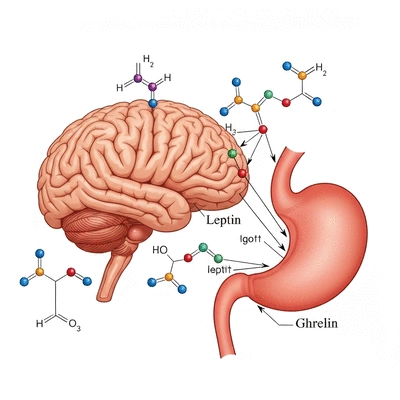
Leptin: The Satiety Hormone
Function: Signals fullness, inhibits hunger.
Source: Adipose (fat) tissue.
During Fasting: Initially decreases, then stabilizes with adaptation.
Have you ever felt a sudden surge of hunger during a fasting period? This may be more than just a passing sensation; it's your body's hormonal response kicking in—specifically, the roles of leptin and ghrelin at play. Understanding these hormones can be crucial for those looking to manage hunger and weight effectively.
Understanding how leptin and ghrelin, the "satiety" and "hunger" hormones, respectively, respond to fasting is key to managing hunger and metabolism. The visual below summarizes their roles and changes during different fasting periods. For a deeper dive into how fasting impacts your body's energy sources, explore intermittent fasting and fat burning.
Function: Signals fullness, inhibits hunger.
Source: Adipose (fat) tissue.
During Fasting: Initially decreases, then stabilizes with adaptation.
Function: Stimulates appetite, promotes fat storage.
Source: Stomach lining.
During Fasting: Rises initially, then may balance out with adaptation.
Reduces overall caloric intake over time.
Helps lower ghrelin levels.
Can lead to a rise in leptin levels.
Initially sustained ghrelin elevation.
Body may adapt and balance hormones.
Risk of elevated cortisol if not managed.
When it comes to hunger regulation and metabolism, two hormones play a pivotal role: leptin and ghrelin. Leptin, often referred to as the "satiety hormone," is produced by fat cells and signals to the brain when we've had enough to eat. On the other hand, ghrelin, known as the "hunger hormone," is secreted when the stomach is empty, triggering our appetite. Together, these hormones form a delicate balance that governs our eating behavior and body weight.
Understanding how these hormones function can shed light on why some people struggle with weight management, while others find it easier to maintain a healthy weight. Have you ever noticed how your cravings can change after fasting? That’s the hormonal dance at work!
As we delve deeper, it’s essential to recognize the distinct functions of leptin and ghrelin. Here’s a quick breakdown:
The interaction between these two hormones is crucial for maintaining energy homeostasis. When leptin levels are high, hunger decreases, while low leptin levels increase appetite. Ghrelin, conversely, spikes before meals and dips after eating. Understanding these mechanisms can empower us to make informed decisions about our fasting practices.
Fasting alters the levels of leptin and ghrelin, leading to significant changes in hunger and metabolism. Research has shown that during fasting, ghrelin levels can rise, which may initially increase feelings of hunger. However, as you adapt to fasting, leptin levels can stabilize, leading to improved appetite control. Here’s how different fasting methods can impact these hormones:
As someone who dives deep into the science of fasting, I’ve seen firsthand how individuals experience a shift in their hunger signals once they adjust to a fasting schedule. This adaptation can be a game-changer for those looking to manage their weight effectively, particularly when considering the benefits of understanding the 12-hour fast for improved metabolic health.
While fasting can be beneficial, it’s vital to recognize that it may also lead to hormonal imbalances. For instance, prolonged fasting can result in elevated levels of cortisol, a stress hormone that can impact overall health. Here are some potential effects of hormonal imbalance during fasting:
It’s important to approach fasting mindfully, ensuring that you listen to your body. If you find yourself feeling overly fatigued or overly hungry, it may be time to reassess your fasting strategy. Remember, the goal is to create a sustainable and healthy relationship with food and your body!
Different fasting methods can evoke a variety of physiological changes, particularly concerning leptin and ghrelin adaptations. Understanding these differences can help you choose the method that aligns best with your health goals.
To enhance your fasting experience, consider incorporating mindfulness practices. Research shows that being mindful of your hunger cues and emotional triggers can help you better regulate your eating behavior. Try keeping a journal to track your feelings before and after meals, which can lead to a deeper understanding of your body's responses to fasting.
As we explore the fascinating intersection of hormonal dynamics and fasting, it’s clear that understanding leptin and ghrelin is crucial for anyone looking to manage their weight effectively. These hormones play pivotal roles in regulating hunger and metabolism, influencing how our bodies respond to fasting. Fasting not only impacts these hormones but also offers a pathway to achieving sustainable weight loss.
To recap, we’ve discussed how fasting can lead to significant changes in hormonal levels, which can facilitate weight loss and improve metabolic health. Here are the key takeaways:
With this foundational knowledge, you are better equipped to navigate the complexities of fasting and hormonal health, paving the way for a successful weight loss strategy. For further reading on related topics, consider exploring fasting's role in insulin sensitivity.
As we delve deeper into the science of fasting, I encourage you to engage with recent research and share your personal experiences with hormonal changes during fasting. The journey of fasting is not just about individual effort; it’s about building a community where knowledge and experiences can be shared.
Staying updated with the latest studies can enhance your understanding and practice of fasting. There’s a wealth of information out there that can shed light on the hormonal implications of fasting, fostering informed decision-making on your health journey.
Hearing from experts can add tremendous value. For instance, Dr. Emily Turner, an endocrinologist, states, “Fasting can lead to remarkable hormonal adaptations that facilitate weight loss and enhance metabolic health.” Alongside this, many individuals I’ve encountered through Fasting Mechanics have shared their transformative experiences with fasting. These real-life examples can provide motivation and insight into your journey. Have you experienced changes in your hunger cues or energy levels during fasting? Your story might inspire someone else!
These initial steps can help you ease into fasting while allowing you to learn and adjust based on your unique body responses.
Beyond weight loss, fasting offers numerous health benefits that are worth exploring. Research indicates fasting can:
As you embark on or continue your fasting journey, keep these potential benefits in mind. They underscore the importance of a well-thought-out fasting strategy to optimize your overall health and wellness. For a broader understanding, you might also be interested in understanding metabolic flexibility and fasting.
Here is a quick recap of the important points discussed in the article:
Leptin is often called the "satiety hormone" because it's produced by fat cells and signals to your brain when you've had enough to eat, helping to inhibit hunger. Ghrelin, known as the "hunger hormone," is secreted by the stomach when it's empty, stimulating appetite.
During fasting, ghrelin levels can initially rise, leading to increased feelings of hunger. However, as the body adapts to fasting, leptin levels can stabilize, which can lead to improved appetite control over time. The specific impact depends on the type and duration of fasting.
Yes, intermittent fasting can help regulate leptin and ghrelin. This method can lead to a reduction in overall caloric intake, which may help lower ghrelin levels and potentially raise leptin levels over time, contributing to better hunger management and weight loss.
Prolonged fasting, if not managed mindfully, can potentially lead to hormonal imbalances such as elevated cortisol (stress hormone) levels. This can result in increased appetite, heightened stress responses, and possible disruptions in metabolic processes.
Energy homeostasis refers to the delicate balance maintained by the body between energy intake and energy expenditure. Leptin and ghrelin are crucial in this process, influencing appetite and metabolism to ensure the body has sufficient energy reserves without excessive storage.
Dr. Avery R. Lawson is an independent health researcher dedicated to making complex metabolic and nutrition science accessible. With a focus on the physiological effects of fasting, she interprets and communicates research findings to empower individuals in their health journeys. Through evidence-based insights, Dr. Lawson aims to demystify weight loss and promote sustainable wellness practices at Fasting Mechanics.