Autophagy Subtypes
- ✓ Macroautophagy: Large debris
- ✓ Microautophagy: Small components
- ✓ Mitophagy: Damaged mitochondria
Autophagy is more than just a cellular cleanup process; it's fundamental to our health as we age. What can the science behind this self-cleaning mechanism teach us about longevity and wellness?
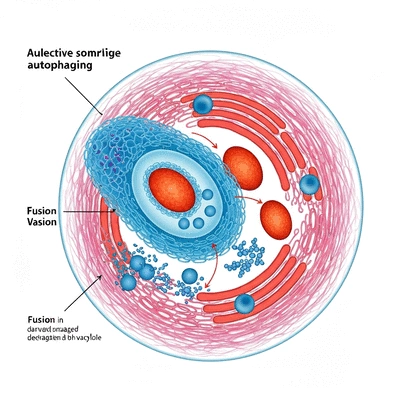
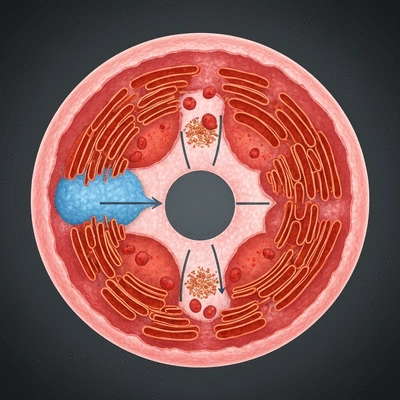
This visual illustrates the key subtypes of autophagy and the fundamental steps involved in this crucial cellular recycling process.
Cellular Maintenance & Recycling
Aging, Metabolism & Longevity
Have you ever heard of autophagy? It's a fascinating process that your body uses for cellular recycling. Think of it as a self-cleaning mechanism where cells break down and remove damaged components, making way for new and healthy ones. There are several subtypes of autophagy, including macroautophagy, microautophagy, and mitophagy, each playing a unique role. Let’s dive into what each of these means!
Understanding these types helps us appreciate how our cells work to maintain balance and health. This process isn’t just about cleaning; it’s crucial for metabolism and overall well-being!
As I explore the complex world of metabolism and nutrition at Fasting Mechanics, I often emphasize how essential autophagy is for our health. It’s like a housekeeper for our cells, ensuring everything is in order. If you think about it, our bodies can accumulate a lot of waste over time, and that’s where autophagy swoops in to help.
Each subtype of autophagy plays its part in this cleanup crew, ensuring our cells are functioning optimally. It’s not just fascinating science; it’s a fundamental aspect of how we stay healthy as we age! Research highlights the critical role of autophagy in maintaining cellular homeostasis and its implications for aging.
Now, let’s go a bit deeper into how this process actually works. Autophagy begins with the formation of an autophagosome, which is a bubble that captures cellular debris. This bubble then fuses with lysosomes—think of them as the stomachs of the cell—and together, they break down the contents into reusable components.
By understanding these biological processes, we can see how vital autophagy is for keeping our cells clean and functional. It’s all about making sure that every part of our cells is in peak condition—just like a well-tuned machine!
Autophagosomes are truly the stars of the autophagy process. These structures are formed when cellular material is enveloped by a membrane, creating a sort of bubble that isolates unwanted components. Once formed, they seek out lysosomes to fuse with and allow for the degradation of their contents.
This fusion process is significant because it enables the recycling of cellular materials. By breaking down damaged proteins and organelles, autophagosomes help our cells rejuvenate and function better. Imagine the impact this has on metabolic health and longevity!
To maximize the benefits of autophagy, consider incorporating intermittent fasting into your routine. Research suggests that even a 16-hour fasting window can significantly enhance the body's natural recycling processes, leading to better metabolic health and longevity. Remember, it's not just about what you eat, but when you eat!
As we wrap up our exploration of autophagy, it’s clear that understanding this process is essential for anyone interested in maintaining their health and wellness. Autophagy plays a crucial role in cellular maintenance, influencing everything from aging to metabolic health. Engaging in practices that can enhance autophagy, like fasting or adopting specific dietary strategies, can have profound implications for your overall well-being.
Here are some key insights to take away:
At Fasting Mechanics, my goal is to empower you with knowledge that supports your health journey. I encourage you to delve deeper into the fascinating world of autophagy. Ask questions, seek out reliable information, and consider how you might implement autophagy-boosting interventions in your daily routine. Whether it's through dietary adjustments or fasting practices, every step counts toward enhancing your metabolic health!
Let’s continue the conversation! What aspect of autophagy interests you the most? I'm here to guide you as you explore these concepts. Engaging with this science not only enriches your understanding but also supports informed health choices. So, what’s your next step in this journey? Let’s embark on it together!
Here is a quick recap of the important points discussed in the article:
Dr. Avery R. Lawson is an independent health researcher dedicated to making complex metabolic and nutrition science accessible. With a focus on the physiological effects of fasting, she interprets and communicates research findings to empower individuals in their health journeys. Through evidence-based insights, Dr. Lawson aims to demystify weight loss and promote sustainable wellness practices at Fasting Mechanics.