
Breaking a Fast: Food Choices

what to eat when breaking a fast

Have you ever considered how the way you break a fast can impact your health journey? The refeeding phase is pivotal, not just for your energy levels but for your overall metabolic recovery. Understanding the nuances of this process can fundamentally change your approach to nutrition.

What You Will Learn

  • The significance of choosing the right foods when breaking a fast to enhance recovery and energy levels.
  • Common misconceptions about refeeding, including the idea that any food is acceptable after fasting.
  • The critical role of hydration and electrolytes in aiding digestion and metabolic function during refeeding.
  • Practical tools, such as meal plans and shopping lists, to facilitate a successful refeeding experience.
  • Easy recipe ideas that emphasize gentle foods to ease your body back into regular eating patterns.
  • Effective meal prep tips to streamline your transition back to eating and reduce stress.

Key Considerations for Refeeding After Fasting

Effectively breaking a fast involves thoughtful choices regarding food, hydration, and meal preparation. The visual below highlights essential aspects of this crucial refeeding process.

Why What You Eat Matters

  • Replenishment of nutrients
  • Boosted energy levels
  • Metabolic stability support

Common Refeeding Misconceptions

  • × All foods are safe
  • × Binge eating is consequence-free
  • × One-size-fits-all strategy

Hydration & Electrolyte Role

  • Ample water intake
  • Electrolyte-rich sources (bone broth)
  • Body monitoring for dehydration

Practical Tools for Success

  • Downloadable meal plans
  • Comprehensive shopping lists
  • Quick & easy recipe ideas

Understanding the Importance of Proper Refeeding After Fasting

Breaking a fast is a crucial moment in your health journey, and understanding the importance of proper refeeding can set the tone for your metabolic recovery. It's not just about what you eat; it’s about how you reintroduce food into your system. Let me help you navigate this essential phase with clarity.

When you’ve spent hours or even days fasting, your body enters a different metabolic state. Therefore, what you consume upon breaking your fast can significantly influence your energy levels, digestion, and overall well-being. This is where thoughtful refeeding comes into play! Research from institutions like Harvard's T.H. Chan School of Public Health emphasizes the importance of balanced nutrition, which is especially critical during refeeding to support overall health.

Why What You Eat Matters When Breaking a Fast

The food choices you make after fasting can either enhance the benefits of your fast or hinder your progress. For instance, consuming nutrient-dense foods can replenish your body’s energy stores and help restore balance. However, diving straight into heavily processed or sugary foods can lead to discomfort and even undo some of the positive effects of fasting.

  • Replenishment: Your body needs nutrients to recover post-fast.
  • Energy Levels: Proper food choices can boost your energy.
  • Metabolic Health: Good choices support metabolic stability.

As you can see, what you eat can play a pivotal role in how effectively you transition back to your regular eating habits. That’s why I emphasize the significance of mindful refeeding!

Common Misconceptions About Refeeding

There are several myths surrounding the topic of refeeding that can mislead you. One common misconception is that you can eat anything after a fast because you’ve "earned" it. Unfortunately, this perspective can lead to digestive issues and negate the benefits you've worked so hard to achieve.

  • Myth 1: All foods are safe after fasting.
  • Myth 2: You can binge eat without consequences.
  • Myth 3: Refeeding is the same for everyone.

Understanding these misconceptions is vital in crafting a plan that truly supports your body’s needs as you break your fast. Your refeeding strategy should be tailored to your personal health goals.

The Role of Hydration and Electrolytes in Refeeding

Hydration is often overlooked during the refeeding process, but it’s a key player in how your body copes with food reintroduction. After fasting, your body may be slightly dehydrated, and rehydrating yourself is essential for efficient digestion and metabolic function. The CDC provides valuable data on nutrition and hydration, underscoring their importance in maintaining health, especially after periods of fasting.

Incorporating electrolytes during this period is beneficial, as they help restore balance and regulate bodily functions. Consider including electrolyte-rich options in your first meal, like bone broth or electrolyte-infused drinks. This approach not only aids in hydration but also supports your metabolic health.

  • Water: Aim for plenty of fluids to stay hydrated.
  • Electrolyte Sources: Bone broth and natural salts can be effective.
  • Monitor Your Body: Pay attention to signs of dehydration, like fatigue.

So remember, hydration isn’t just a necessity; it’s a foundational step in your refeeding journey that can significantly impact your experience and health outcomes!

Glass of water with electrolyte powder next to a small bowl of bone broth, set on a clean kitchen counter, bright natural light, no text, no words, no typography, 8K
Pro Tip

To enhance your refeeding experience, consider incorporating a variety of textures into your meals. Combining soft foods like mashed avocado with crunchy elements such as nuts can stimulate digestion and make your meals more enjoyable. Remember, the goal is to make refeeding not only nutritious but also a delightful experience for your taste buds!

Practical Tools for a Successful Refeed

When it comes to breaking a fast, having the right tools at your disposal can make a world of difference. At Fasting Mechanics, we understand that transitioning back to regular eating can feel daunting, especially after a period of fasting. To help you navigate this process smoothly, we've put together a collection of resources designed to support your refeeding journey.

  • Meal Plans: Tailored plans to make your first meals easier and more nutritious.
  • Shopping Lists: Ensure you have everything you need for a successful refeed.
  • Recipe Ideas: Quick and simple recipes that focus on gentle foods for your digestive system.

These practical tools not only simplify meal planning but also encourage you to make informed choices that align with your health goals. I often hear from my readers that these resources help alleviate the stress of meal preparation, allowing them to focus on enjoying their food while supporting their bodies effectively!

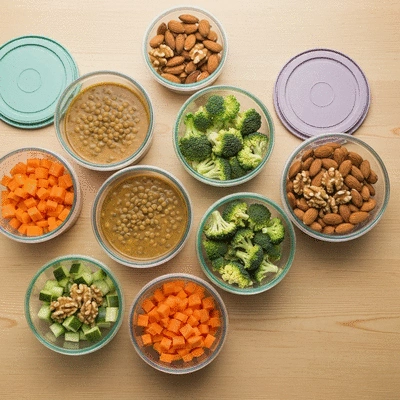
Overhead shot of various meal prep containers filled with healthy, gentle foods like soup, pre-chopped vegetables, and nuts, on a light wooden table, no text, no words, no typography, 8K

Quick and Easy Recipe Ideas for Your First Meals

Breaking a fast doesn’t have to mean complicated cooking! Here are some quick and easy recipes that you can whip up when it’s time to eat again:

  • Bone broth with soft vegetables
  • Light vegetable soup with herbs
  • Avocado on whole-grain toast topped with poached eggs

These meals not only provide essential nutrients but also support your gut health and overall well-being. By focusing on simple, gentle foods, you give your body the best chance to adjust comfortably back into regular eating patterns. Detailed research on the impact of fasting on gut microbiota further explains why gentle food choices are paramount during refeeding.

Meal Prep Tips for Your Refeed Journey

Meal prep can be a game-changer for managing your refeed successfully. Here are some tips to set you up for success:

  • Batch cook gentle foods like soups and stews to have on hand.
  • Pre-chop vegetables and store them in the fridge for quick access.
  • Prepare portable snacks like yogurt and nuts for on-the-go nourishment.

These tips can help streamline your transition back to eating. As someone who has navigated these waters myself, I can assure you that being prepared can significantly reduce stress and increase the enjoyment of your meals. Remember, a well-prepared refeed plan is a foundation for your ongoing health journey!

Frequently Asked Questions About Refeeding After Fasting

Q: Why is proper refeeding important after a fast?
A: Proper refeeding is crucial because it influences your metabolic recovery, energy levels, digestion, and overall well-being. It helps replenish nutrients, boosts energy, and supports metabolic stability, maximizing the benefits of your fast.
Q: What are common misconceptions about refeeding after a fast?
A: Common misconceptions include believing that all foods are safe to eat after fasting, that binge eating has no consequences, and that a one-size-fits-all strategy applies to everyone. It's important to choose foods mindfully and tailor your approach to your body's needs.
Q: How do hydration and electrolytes play a role in refeeding?
A: Hydration and electrolytes are key for efficient digestion and metabolic function during refeeding. After fasting, your body may be dehydrated, so rehydrating with ample fluids and incorporating electrolyte-rich sources like bone broth helps restore balance and regulate bodily functions.
Q: What types of foods are recommended for breaking a fast?
A: Gentle, nutrient-dense foods are recommended. Examples include bone broth with soft vegetables, light vegetable soups, and avocado on whole-grain toast with poached eggs. These foods are easy on the stomach and provide essential nutrients without overwhelming your digestive system.
Q: How can I prepare for a successful refeeding experience?
A: Practical tools like downloadable meal plans, comprehensive shopping lists, and quick, easy recipe ideas can simplify meal planning. Additionally, meal prepping by batch cooking gentle foods, pre-chopping vegetables, and preparing portable snacks can streamline your transition back to eating.

Recap of Key Points

Here is a quick recap of the important points discussed in the article:

  • Importance of Proper Refeeding: How you break your fast influences your metabolic recovery and overall health.
  • Nutrient-dense Foods: Focus on replenishing your body with nutrient-rich options to enhance energy and metabolic health.
  • Hydration and Electrolytes: Prioritize hydration and incorporate electrolytes to aid digestion and recovery post-fast.
  • Myth Busting: Recognize common misconceptions about refeeding, such as the belief that any food is acceptable after fasting.
  • Meal Prep Tools: Utilize downloadable meal plans and shopping lists to streamline your refeeding process.
  • Quick Recipes: Opt for simple, gentle recipes to ease your body back into regular eating patterns.
About !author

Dr. Avery R. Lawson

Dr. Avery R. Lawson is an independent health researcher dedicated to making complex metabolic and nutrition science accessible. With a focus on the physiological effects of fasting, she interprets and communicates research findings to empower individuals in their health journeys. Through evidence-based insights, Dr. Lawson aims to demystify weight loss and promote sustainable wellness practices at Fasting Mechanics.

Popular Posts

Fasting's Role in Insulin Sensitivity Insulin Sensitivity and Fasting: Science Behind Improved Glucose Control What could unlocking your body's potential for efficient fat utilization mean for your health? Resea
Understanding 16/8 Intermittent Fasting 16/8 Intermittent Fasting Explained: Science of the Leangains Method for Weight Loss Did you know that incorporating a simple fasting schedule could be the key to unlocking better healt
Breaking a Fast: Food Choices what to eat when breaking a fast Have you ever considered how the way you break a fast can impact your health journey? The refeeding
Understanding Autophagy in Simple Terms Autophagy Autophagy is more than just a cellular cleanup process; it's fundamental to our health as we age. Wh