Did you know that intermittent fasting can significantly enhance your metabolic health and fat-burning capabilities? By cycling between periods of eating and fasting, you can unlock your body's potential to utilize stored fat as energy.
What You Will Learn
Intermittent fasting (IF) allows your body to switch from burning glucose to utilizing fat as its primary fuel source.
Understanding the metabolic switch is crucial for effective fat burning and improving overall metabolic health.
Hormones like ghrelin and leptin play a significant role in hunger regulation during fasting periods.
Fasting can activate autophagy, promoting muscle preservation and reducing inflammation.
Choosing a personalized fasting method, such as the 16/8 or 5:2 methods, can enhance compliance and results.
The Metabolic Switch: Intermittent Fasting's Impact on Fat Burning
Intermittent fasting helps your body switch from burning carbs to burning fat, balancing hormones like ghrelin and leptin to support weight loss and overall metabolic health. Below are the key aspects of how it works.
Metabolic Switch: Fuel Source Transition
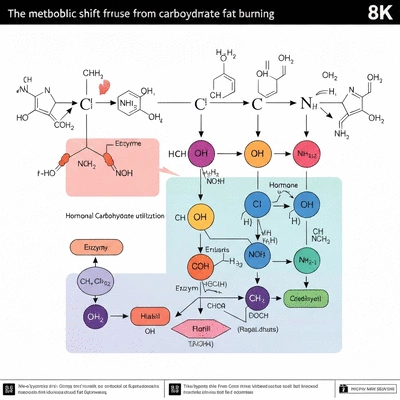
Fasting shifts the body's primary fuel source from glucose (carbohydrates) to stored fat. This process, known as the metabolic switch, occurs when glycogen stores are depleted, leading to enhanced fat oxidation.
Hormonal Balance: Ghrelin & Leptin
Intermittent fasting regulates key appetite hormones. Ghrelin (hunger hormone) levels fluctuate, while leptin (satiety hormone) promotes fat utilization, aiding in appetite control and weight management.
Cellular Repair: Autophagy Activation
Fasting activates autophagy, a cellular process that removes damaged cells and regenerates new ones. This contributes to muscle preservation, reduced inflammation, and improved overall cellular health.
Personalized Approach: Tailored Protocols
Intermittent fasting offers various methods (e.g., 16/8, 5:2) that can be customized to fit individual lifestyles and goals. This flexibility ensures sustainability and effectiveness for diverse needs.
Understanding the Metabolic Switch: The Link Between Intermittent Fasting and Fat Burning
Intermittent fasting is more than just a diet; it's a proven approach to enhancing your metabolic health and igniting fat burning! By cycling between periods of eating and fasting, you can unlock your body's potential to utilize stored fat as energy. But what exactly is intermittent fasting, and how does it work?
What is Intermittent Fasting?
Intermittent fasting (IF) involves alternating periods of eating and fasting, allowing your body to shift from using glucose as its primary fuel source to burning fat. There are various methods to choose from, making it accessible for everyone! Some popular approaches include:
16/8 Method: Fast for 16 hours and eat during an 8-hour window.
5:2 Diet: Eat normally for five days a week and restrict calories on two non-consecutive days.
Alternate-Day Fasting: Alternate between fasting days and eating days.
These methods can help you not only lose weight but also improve your overall health. It's all about finding the right fit for your lifestyle! For more detailed information on the benefits and effectiveness of intermittent fasting, you can refer to insights from Harvard T.H. Chan School of Public Health.
Defining the Metabolic Switch
The metabolic switch refers to your body's transition from burning carbohydrates to utilizing fat for energy. This switch typically occurs after a period of fasting, like the ones practiced in intermittent fasting. When your glycogen stores are depleted, your body starts breaking down fat for fuel, leading to enhanced fat oxidation. It's fascinating how our bodies can adapt so effectively!
Understanding this concept is vital for anyone looking to lose weight sustainably. When you flip that metabolic switch, you not only burn fat more effectively but also improve your overall metabolic health! The mechanisms behind this metabolic adaptation are further discussed in research from the National Institutes of Health, highlighting its role in improving cardiometabolic health.
The Role of Hormones in the Metabolic Switch: Ghrelin and Leptin
Hormones play a crucial role in regulating hunger and metabolism during fasting. Two key players are ghrelin and leptin. Ghrelin, often referred to as the "hunger hormone," increases appetite and signals your body to eat. In contrast, leptin helps you feel full and reduces hunger.
Ghrelin: Levels typically rise during fasting, prompting you to seek food.
Leptin: Levels increase with body fat and decrease during fasting, promoting fat utilization.
Managing these hormones is essential for successful weight loss during intermittent fasting. When you learn to balance them, you can enhance the effects of your fasting regimen and achieve your health goals!
Pro Tip
To maximize the benefits of intermittent fasting, consider integrating a mindfulness practice during your eating window. Being present and aware while you eat can enhance your enjoyment of food, improve digestion, and even help you recognize hunger cues more effectively. Try to savor each bite and focus on the flavors and textures of your meals!
Frequently Asked Questions About Intermittent Fasting and Metabolic Health
What is the metabolic switch in intermittent fasting?
The metabolic switch refers to your body's transition from burning carbohydrates (glucose) as its primary fuel source to burning stored fat. This typically happens after glycogen stores are depleted during a fasting period, leading to enhanced fat oxidation.
How does intermittent fasting affect hormones like ghrelin and leptin?
Intermittent fasting helps regulate ghrelin (the hunger hormone) and leptin (the satiety hormone). While ghrelin levels may initially rise during fasting, consistent practice can help balance these hormones, reducing hunger and promoting feelings of fullness, which aids in weight management.
What are some popular methods of intermittent fasting?
Common intermittent fasting methods include the 16/8 method (fasting for 16 hours, eating during an 8-hour window), the 5:2 diet (eating normally for five days and restricting calories on two non-consecutive days), and Alternate-Day Fasting (alternating between fasting and eating days).
Can intermittent fasting help with muscle preservation?
Yes, fasting can activate autophagy, a cellular process that removes damaged cells and regenerates new ones. This process helps in muscle preservation and reduces inflammation, contributing to overall cellular health.
Is intermittent fasting suitable for everyone?
Intermittent fasting offers various methods that can be customized to individual lifestyles and goals. However, it's always recommended to consult with a healthcare professional before starting any new dietary regimen, especially if you have underlying health conditions.
Conclusion: Embracing Intermittent Fasting for Metabolic Health
Intermittent fasting is more than just a weight loss strategy; it’s a transformative approach to achieving metabolic health. As we’ve explored, this practice engages your body’s natural mechanisms to flip the metabolic switch, promoting fat burning and hormonal balance. By understanding how fasting influences your metabolism, you empower yourself to make informed decisions about your health journey!
To summarize, here are the key takeaways on intermittent fasting and its impact on fat burning:
Metabolic Switch: Fasting shifts your body from burning glycogen to utilizing fat as fuel.
Hormonal Balance: It regulates hormones like ghrelin and leptin, enhancing appetite control.
Cellular Repair: Fasting activates autophagy, which helps in muscle preservation and reduces inflammation.
Personalized Approach: Your fasting protocol can be tailored to fit your lifestyle and goals.
With these insights, you’re well-equipped to embrace intermittent fasting as a sustainable method for enhancing your metabolic health. While some studies suggest varied outcomes, such as those from the University of Sydney, the overall consensus points to its potential benefits when applied correctly.
Next Steps: Implementing an Intermittent Fasting Protocol for Your Lifestyle
Now that you have a foundational understanding of intermittent fasting, it’s time to put this knowledge into action! Implementing a fasting protocol that suits your unique lifestyle is key to reaping the benefits. Here are some practical steps to get started:
Choose Your Fasting Method: Decide between popular regimens like the 16:8 method or alternate-day fasting based on what aligns with your daily schedule.
Set Realistic Goals: Begin with achievable targets, such as starting with a shorter fasting window and gradually increasing it.
Monitor Your Body's Response: Pay close attention to how you feel during fasting periods, adjusting as necessary.
Incorporate Nutrient-Dense Foods: Focus on whole foods during your eating window to maximize the benefits of your fasting routine.
Remember, finding what works best for you is a personal journey—don’t hesitate to experiment!
Engaging with Your Metabolic Journey
Tracking Your Progress: Biomarkers and Personal Feedback
As you embark on your fasting journey, tracking your progress can provide valuable insights into how your body is responding to intermittent fasting. I often recommend keeping a journal to note changes in your energy levels, mood, and any physical changes you observe. Here are some helpful biomarkers to consider:
Weight and Body Measurements: Regularly check your weight and measurements to see how your body composition changes.
Blood Sugar Levels: If possible, monitor your blood sugar levels to assess improvements in insulin sensitivity.
Energy Levels: Pay attention to how your energy fluctuates throughout the day.
Cravings and Hunger Cues: Observe your hunger patterns and how they shift with your fasting schedule.
By keeping track of these markers, you’re more likely to remain motivated and adjust your approach as needed!
Joining Communities for Support and Shared Experiences
Finally, consider joining communities focused on intermittent fasting. Sharing your experiences and learning from others can be incredibly motivating! Here’s why connecting with others can enhance your journey:
Support System: Being part of a community can provide emotional support and encouragement.
Shared Knowledge: Exchanges with fellow fasters can introduce you to new strategies and tips.
Accountability: Engaging with others can help keep you accountable to your fasting goals.
Inspiration: Hearing success stories can inspire you to stick with your fasting practice.
At Fasting Mechanics, we believe in the power of community. I encourage you to seek out groups, whether online or in-person, that resonate with your health goals!
Recap of Key Points
Here is a quick recap of the important points discussed in the article:
Metabolic Switch: Fasting shifts your body from burning glycogen to utilizing fat as fuel.
Hormonal Balance: It regulates hormones like ghrelin and leptin, enhancing appetite control.
Cellular Repair: Fasting activates autophagy, which helps in muscle preservation and reduces inflammation.
Personalized Approach: Your fasting protocol can be tailored to fit your lifestyle and goals.
Dr. Avery R. Lawson
Dr. Avery R. Lawson is an independent health researcher dedicated to making complex metabolic and nutrition science accessible. With a focus on the physiological effects of fasting, she interprets and communicates research findings to empower individuals in their health journeys. Through evidence-based insights, Dr. Lawson aims to demystify weight loss and promote sustainable wellness practices at Fasting Mechanics.
Fasting Formats for Your Goals
What if your eating schedule could unlock new levels of health and wellness? Understanding various f
Quick Fasting Mechanics Insight
Unlock your body's fat-burning potential! Fasting can significantly improve insulin sensitivity, helping your body tap into fat stores for energy.
Did you know fasting can boost Human Growth Hormone (HGH)? This hormone aids in fat loss while preserving muscle mass – a win-win for metabolic health!
Start with the 16:8 method: an 8-hour eating window and 16 hours of fasting. It's a manageable way to introduce your body to the benefits of intermittent fasting.
Quality over quantity! During your eating window, prioritize nutrient-dense foods like proteins, healthy fats, and vegetables to amplify fasting benefits.
Fasting isn't just about weight loss. It also promotes cellular repair processes, including autophagy, which can enhance overall longevity and health.
Hydration is key! Drink plenty of water, black coffee, or herbal tea during your fasting periods to stay energized and suppress hunger.
Listen to your body. While fasting offers many benefits, it's crucial to adjust your approach if you experience discomfort or low energy levels.
Explore various fasting methods like OMAD (One Meal A Day) or alternate-day fasting to find what best suits your lifestyle and health goals.
Fasting can improve metabolic flexibility, teaching your body to efficiently switch between burning sugar and fat for fuel.
Combine fasting with a balanced diet and regular exercise for optimal weight loss and metabolic health improvements.
Consider consulting with a healthcare professional before starting any new fasting regimen, especially if you have underlying health conditions.
Track your progress! Monitoring how fasting impacts your energy levels, mood, and weight can help you refine your approach for sustainable results.
Ready to transform your health? Discover the science-backed benefits of fasting and take control of your metabolic wellness today!
Fasting is not suitable for everyone, especially those with pre-existing health conditions like diabetes, pregnant women, or individuals with a history of eating disorders. It is essential to consult with a healthcare professional before starting any fasting regimen to ensure it is appropriate and safe for your specific health needs.