Cortisol and Fasting: Finding Balance

As you delve into the fascinating world of cortisol, consider this: the intricate balance of hormones in your body plays a significant role in your health and well-being. Understanding cortisol, especially during fasting, can empower you to optimize your health journey.
What You Will Learn
- Cortisol, known as the "stress hormone," is crucial for regulating metabolism and immune response.
- The HPA axis (hypothalamus, pituitary gland, adrenal glands) intricately manages cortisol production in response to stress.
- Fasting triggers physiological changes that can elevate cortisol levels, impacting your energy and metabolic functions.
- Understanding gender differences in cortisol response can help tailor your fasting approach for better results.
- Monitoring both free and total cortisol levels is essential for adapting your health strategies during fasting.
The HPA Axis: Body's Stress Response Mechanism
The Hypothalamic-Pituitary-Adrenal (HPA) axis is a central system managing the body's response to stress, including during fasting. This cascade of events ensures the body can cope with stressors by regulating cortisol production. For a deeper dive into how hormones influence your body's processes, explore hormones, fasting, and weight loss.
Hypothalamus
Releases Corticotropin-Releasing Hormone (CRH) when stress is sensed, initiating the stress response.
CRH
Pituitary Gland
Responds to CRH by releasing Adrenocorticotropic Hormone (ACTH), signaling the adrenal glands.
ACTH
Adrenal Glands
Produce Cortisol in response to ACTH. Cortisol helps mobilize energy and manage inflammation.
Cortisol
Negative Feedback Loop
Once stress subsides, cortisol levels decrease, helping the body return to its normal state.
Balance
Understanding Cortisol and Its Role in the Body
Cortisol is often referred to as the "stress hormone." It plays a crucial role in various bodily functions, including metabolism and immune response. Produced by the adrenal glands, cortisol is essential for regulating blood sugar levels, managing inflammation, and aiding in the body's response to stress. Have you ever noticed how your body reacts during stressful situations? That's cortisol at work!
In essence, cortisol helps your body cope with stress by providing the necessary energy to respond effectively. However, understanding its production and regulation is key to recognizing its impact on your health, particularly during fasting.
What Is Cortisol and How Is It Produced?
Cortisol is a steroid hormone that is released into the bloodstream during times of stress. It’s produced in the adrenal cortex and is regulated by a complex system involving several body parts. This includes the hypothalamus, pituitary gland, and of course, the adrenal glands. Together, these components form what is known as the HPA axis—a key player in how our body responds to stress.
- Hypothalamus: Releases corticotropin-releasing hormone (CRH) when it senses stress.
- Pituitary Gland: Responds to CRH by releasing adrenocorticotropic hormone (ACTH).
- Adrenal Glands: Finally produce cortisol in response to ACTH.
This cascade of events shows how intricately our body manages stress and maintains homeostasis. Understanding this process can help you navigate your health journey, especially as you explore fasting and its effects on cortisol levels.
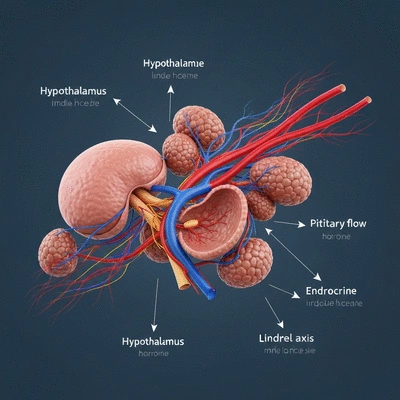
The HPA Axis: The Body's Stress Response Mechanism
The HPA axis is vital for regulating your body’s response to stress. It helps maintain balance by managing cortisol levels, and when activated, it triggers several physiological changes. For instance, increased cortisol can lead to higher blood sugar levels, enhanced metabolism of fats, and alterations in immune function.
- Stress Induction: Stressors can be physical (like fasting) or emotional, both activating the HPA axis.
- Cortisol Release: This leads to an increase in energy availability, preparing the body to 'fight or flee.'
- Negative Feedback Loop: Once stress subsides, cortisol levels should decrease, helping the body return to its normal state.
Understanding how the HPA axis functions sheds light on why managing stress is crucial, particularly during fasting periods. You might find that incorporating stress-reducing techniques can significantly benefit your overall health and well-being. This understanding is also key to understanding metabolic flexibility and fasting.
The Role of Adrenal Glands in Cortisol Production
The adrenal glands, small but mighty, play a central role in producing cortisol. Located on top of each kidney, these glands are not only responsible for cortisol production but also for other hormones like adrenaline and aldosterone. The balance they maintain is essential for your metabolic health.
- Production of Hormones: The adrenal glands produce cortisol in response to ACTH, which is crucial for various bodily functions.
- Response to Stress: They get activated during times of stress, ensuring that cortisol is available when needed.
- Impact on Metabolism: The hormones released by the adrenal glands impact how your body utilizes energy, particularly during fasting.
Recognizing the function of the adrenal glands can help you appreciate the intricate balance your body strives for, especially when you introduce fasting into your routine. Understanding this science empowers you to make informed choices about your health journey!
Pro Tip
To better manage your cortisol levels during fasting, consider incorporating mindfulness practices such as meditation or deep-breathing exercises. Research shows that these techniques can help mitigate stress responses and promote a healthier hormonal balance, enhancing your overall fasting experience.
The Impact of Fasting on Cortisol Levels
Understanding how fasting influences cortisol levels is crucial for anyone looking to optimize their health and weight loss journey. Cortisol, often known as the stress hormone, plays a significant role in your body's response to fasting. When you begin fasting, your body undergoes various adaptations, which include altering cortisol production.
Research indicates that fasting can lead to both short-term and long-term changes in cortisol levels. The body’s reaction to fasting is complex and can be influenced by several factors, such as the duration of the fast and individual stress responses. In this section, we will explore how these dynamics work and what you need to know about fasting and cortisol.
Cortisol Elevation During Short-Term and Long-Term Fasting
During fasting, your body undergoes specific physiological changes that can elevate cortisol levels. It's essential to differentiate between short-term and long-term fasting when considering these effects. Here’s how cortisol behaves during each:
- Short-Term Fasting: Cortisol levels typically rise to help mobilize energy stores and maintain blood glucose levels.
- Long-Term Fasting: Prolonged fasting may lead to a more sustained elevation of cortisol, which can impact metabolic functions and emotional well-being.
As we navigate through fasting, it's crucial to listen to your body. If you notice heightened stress signals, it might be worth adjusting your fasting routine to prevent excessive cortisol spikes.

Physiological Changes in Free and Total Cortisol
Interestingly, fasting can lead to changes in both free and total cortisol levels. Free cortisol, which is available to exert its effects on the body, may increase following a fast. This is because fasting activates your stress response, prompting the adrenal glands to produce more cortisol.
On the other hand, total cortisol levels can sometimes fluctuate depending on how long you've been fasting. It's vital to monitor these changes, as they can give you insights into your body's adaptation to fasting. Some people may experience increased energy levels, while others may feel the opposite. Always pay attention to your body’s signals! Understanding these adaptations can also shed light on intermittent fasting and fat burning.
Gender Differences in Cortisol Response to Fasting
It's fascinating to note that the response to fasting can differ between genders. Studies suggest that women may experience higher cortisol levels during fasting than men. This discrepancy could be tied to hormonal differences and overall metabolic rates.
- Women: May find that fasting leads to significant fluctuations in cortisol, impacting emotional and physical responses.
- Men: Typically experience a more stable cortisol response during fasting.
Understanding these differences can help tailor your fasting approach, ensuring it aligns with your unique body chemistry.
How Fasting Influences Blood Sugar Levels and Cortisol
Fasting not only impacts cortisol but also plays a pivotal role in regulating blood sugar levels. When you fast, your body must maintain blood glucose for energy, and cortisol helps facilitate this. As your body taps into fat stores for fuel, cortisol aids in the conversion of proteins to glucose, ensuring steady energy levels.
However, this process can lead to a cycle where fluctuating blood sugar levels also influence cortisol production. If you’re new to fasting, pay attention to how your body reacts. Stabilizing your blood sugar through nutrient-dense meals during eating windows is crucial for balancing cortisol levels and overall well-being. For a more comprehensive look at how fasting affects blood sugar, consider reading about fasting's role in insulin sensitivity.
Recap of Key Points
Here is a quick recap of the important points discussed in the article:
- Cortisol’s Role: Cortisol is crucial for regulating metabolism, immune response, and the body’s stress response.
- HPA Axis Function: The hypothalamus, pituitary gland, and adrenal glands work together to manage cortisol production and stress responses.
- Fasting Effects: Both short-term and long-term fasting can influence cortisol levels, with short-term fasting elevating cortisol to mobilize energy.
- Gender Differences: Women may experience greater fluctuations in cortisol levels during fasting compared to men.
- Blood Sugar Regulation: Fasting impacts blood sugar levels, with cortisol playing a key role in maintaining glucose levels during fasting periods.
Frequently Asked Questions (FAQs) About Cortisol and Fasting
Cortisol is known as the "stress hormone" and is crucial for regulating metabolism, immune response, and blood sugar levels. During fasting, it helps mobilize energy stores to keep your body functioning, making it particularly important for sustained energy.
The HPA axis (Hypothalamic-Pituitary-Adrenal axis) is the body's central stress response system. When stress, like fasting, is sensed, the hypothalamus releases CRH, which prompts the pituitary gland to release ACTH, ultimately signaling the adrenal glands to produce cortisol. This system ensures your body can cope with the stressor.
Fasting can elevate cortisol levels, especially during short-term fasting, as the body mobilizes energy stores. Prolonged fasting can lead to a more sustained elevation. However, individual responses vary based on factors like fasting duration and personal stress responses.
Yes, studies suggest women may experience higher cortisol levels and greater fluctuations during fasting compared to men. These differences are often attributed to hormonal variations and metabolic rates, highlighting the importance of tailoring fasting approaches.
During fasting, cortisol plays a key role in maintaining stable blood glucose levels. It helps your body convert proteins into glucose (gluconeogenesis) and mobilizes fat stores for energy, ensuring a steady supply of fuel when food intake is absent.

Dr. Avery R. Lawson
Dr. Avery R. Lawson is an independent health researcher dedicated to making complex metabolic and nutrition science accessible. With a focus on the physiological effects of fasting, she interprets and communicates research findings to empower individuals in their health journeys. Through evidence-based insights, Dr. Lawson aims to demystify weight loss and promote sustainable wellness practices at Fasting Mechanics.
Popular Posts
Mastering Metabolic Flexibility Through Fasting
![Mastering Metabolic Flexibility Through Fasting]() What if the secret to optimizing your health lies in your body's ability to switch between burning f
What if the secret to optimizing your health lies in your body's ability to switch between burning f
 What if the secret to optimizing your health lies in your body's ability to switch between burning f
Tailoring Fasting to Your Metabolism
![Tailoring Fasting to Your Metabolism]() What if your approach to fasting could be as unique as your fingerprint? Personalized fasting method
What if your approach to fasting could be as unique as your fingerprint? Personalized fasting method
 What if your approach to fasting could be as unique as your fingerprint? Personalized fasting method
Post-Fasting Nutrient Timing Strategies
![Post-Fasting Nutrient Timing Strategies]() Have you ever considered how the timing of your meals might influence your metabolic health? The fas
Have you ever considered how the timing of your meals might influence your metabolic health? The fas
 Have you ever considered how the timing of your meals might influence your metabolic health? The fas
Fasting Formats for Your Goals
![Fasting Formats for Your Goals]() What if your eating schedule could unlock new levels of health and wellness? Understanding various f
What if your eating schedule could unlock new levels of health and wellness? Understanding various f
 What if your eating schedule could unlock new levels of health and wellness? Understanding various f