Hormonal Adaptation: Key for Women
- ✓
Hormonal Fluctuations: Cycle impacts fasting response.
- ✓
Metabolic Flexibility: Efficiently switch energy sources.
- ✓
Immunity & Inflammation: Fasting can modulate responses.
Did you know that fasting can significantly impact women's hormonal health? Understanding how to customize your fasting plan based on your unique hormonal landscape can unleash the full potential of your wellness journey. Here’s what you’ll learn about adapting fasting approaches for optimal health.
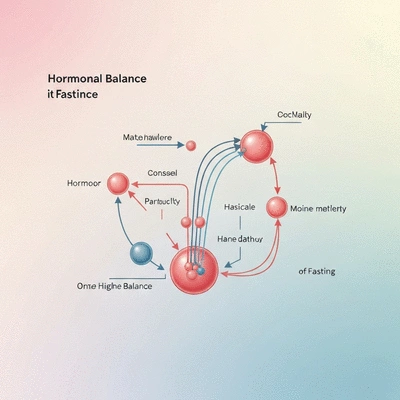
This visual illustrates how fasting strategies should be customized to align with women's hormonal fluctuations across different menstrual cycle phases and life stages for optimal health benefits.
Hormonal Fluctuations: Cycle impacts fasting response.
Metabolic Flexibility: Efficiently switch energy sources.
Immunity & Inflammation: Fasting can modulate responses.
Follicular Phase: Longer fasts suitable with rising estrogen.
Luteal Phase: Shorter fasts, increased energy needs (progesterone).
Menstrual Phase: Prioritize comfort, flexible protocols.
When it comes to health and wellness, one size definitely does not fit all—especially for women. At Fasting Mechanics, we believe that understanding the unique hormonal landscape of women is essential for creating effective fasting plans. By exploring how fasting interacts with hormonal health, we can tailor approaches that resonate with individual needs.
Fasting isn't just about skipping meals; it’s about aligning your eating patterns with your body's natural rhythms. Let’s delve into how fasting can be customized to support women at different stages of life, starting with the crucial hormonal adaptations necessary for optimal health. For instance, understanding metabolic flexibility and fasting can significantly enhance your body's ability to switch between energy sources, which is vital for women's hormonal balance.
Fasting adaptation is a vital process for women seeking to enhance their hormonal health. This adaptation allows the body to efficiently transition between fasting and feeding phases, which can lead to improved metabolic function. By understanding and respecting these adaptations, women can optimize their fasting experience.
As you embark on your fasting journey, it’s essential to consider how your unique hormonal patterns may influence your results. Always listen to your body and be patient with the adaptation process!
Did you know that your menstrual cycle can significantly impact your fasting strategy? Different phases of the cycle come with varying hormonal levels that can either facilitate or hinder your fasting efforts. At Fasting Mechanics, I emphasize the importance of cycle-syncing your fasting approach for better outcomes.
By tailoring your fasting schedule to your cycle, you can enhance your energy levels and overall hormonal harmony. It's all about finding what feels right for your body! For more insights into how fasting impacts female physiology across different methods, explore 16/8 fasting and women's health.
Fasting has a profound impact on hormones such as estrogen and progesterone, two key players in women's health. Understanding how these hormones interact with fasting can empower you to optimize your fasting regimen for better health outcomes.
Estrogen typically rises during the follicular phase, and research suggests that fasting can enhance estrogen metabolism, potentially reducing the risk of hormone-related issues. Conversely, during the luteal phase, with elevated progesterone, women may experience varied effects from fasting, often leading to the need for adjusted fasting strategies.
By considering these hormonal dynamics, women can craft a more informed and effective fasting plan that complements their unique needs. Remember, it’s all about finding your balance!
Did you know? Adjusting your fasting schedule according to the phases of your menstrual cycle can significantly enhance your energy levels and hormonal balance. Consider extending your fasting windows during the follicular phase when estrogen is on the rise, and shorten them during the luteal phase to accommodate increased energy needs. This personalized approach not only supports your fasting journey but also aligns with your body’s natural rhythms!
A1: Women's hormonal landscapes are dynamic, influenced by menstrual cycles, life stages, and individual variations. A one-size-fits-all fasting approach can disrupt delicate hormonal balance. Customized fasting plans consider these fluctuations to optimize health benefits and prevent potential negative impacts on hormones like estrogen and progesterone.
A2: The menstrual cycle has distinct phases with varying hormone levels. During the follicular phase (when estrogen rises), longer fasts may be more tolerable and beneficial. In the luteal phase (when progesterone rises and energy needs increase), shorter fasting windows are generally recommended to support the body's demands and avoid stress. During menstruation, prioritizing comfort and flexibility in fasting is key.
A3: By understanding how fasting influences estrogen and progesterone levels, women can tailor their fasting methods to potentially manage PMS symptoms. For example, supporting optimal progesterone levels during the luteal phase with adjusted fasting windows may help alleviate some symptoms.
A4: Metabolic flexibility is the body's ability to efficiently switch between using glucose and fat for energy. For women, this is crucial as hormonal fluctuations can impact energy metabolism. Fasting adaptation, when done correctly, enhances metabolic flexibility, leading to better weight management, energy levels, and overall hormonal health.
A5: Yes, women in menopause often benefit from adapted fasting strategies. As estrogen levels decline, women may experience changes in metabolism and insulin sensitivity. Fasting can be a powerful tool for managing weight and improving insulin sensitivity during menopause, but the duration and frequency of fasts may need to be adjusted to suit individual needs and comfort.
At Fasting Mechanics, we understand that fasting is not a one-size-fits-all approach, especially for women. As we journey through different life stages, our hormonal landscape shifts, and it’s crucial to adapt our fasting strategies accordingly. Customized fasting plans can significantly enhance hormonal balance, weight management, and overall well-being. This section summarizes the key insights we've discussed and emphasizes the importance of tuning your fasting approach to your unique hormonal needs.
From the follicular phase to menopause, the way we fast can either support or hinder our health. By recognizing and respecting our hormonal fluctuations, we can create a more sustainable and effective fasting regimen. Remember, it’s not just about the hours you fast, but how well you align these practices with your body's natural rhythms.
Each of these takeaways emphasizes the need for personalization in your fasting journey. By being attentive to how your body responds during different cycles, you can make informed decisions that promote long-term health.
As we wrap up this discussion, I encourage you to embrace a personalized approach to fasting. It’s about creating a balance that works for your unique body. The insights shared here serve as a foundation, but your individual experiences will guide your journey. Remember, being flexible and responsive to your body's needs is key! Fasting can be a powerful tool, but it should also fit seamlessly into your lifestyle.
Ultimately, the goal is to empower yourself with the knowledge to make informed choices. By tailoring your fasting plan, you can enhance your health and well-being while respecting your body's natural hormonal rhythms.
To help you on your journey, Fasting Mechanics offers a variety of resources tailored for your needs. From downloadable templates to meal planning guides, these tools will enable you to create a fasting plan that works best for you. Make sure to check out our website for the latest tools and updates!
Utilizing these resources can streamline your fasting experience, allowing you to focus on what truly matters: your health and well-being. For example, understanding how hormones, fasting, and weight loss are interconnected can provide further clarity and motivation for your customized plan.
You're not alone on this journey! I invite you to engage with our community at Fasting Mechanics. Sharing your experiences and learning from others can enhance your understanding and commitment to your fasting regimen. Connect with fellow readers, exchange tips, and support one another as we explore the world of fasting together.
While self-exploration is valuable, don't hesitate to seek professional guidance. Consulting with nutritionists or dietitians can provide personalized insights that align with your health goals. They can help you refine your fasting plan and ensure that your nutritional needs are being met. Working together, you can create a strategy that not only supports your fasting goals but also fosters long-term wellness.
As you embark on this journey, keep your mind open and be willing to adapt. Your body will guide you, and with the right support, you can thrive! What are you waiting for? Dive into creating your customized fasting plan today!
Here is a quick recap of the important points discussed in the article:
Dr. Avery R. Lawson is an independent health researcher dedicated to making complex metabolic and nutrition science accessible. With a focus on the physiological effects of fasting, she interprets and communicates research findings to empower individuals in their health journeys. Through evidence-based insights, Dr. Lawson aims to demystify weight loss and promote sustainable wellness practices at Fasting Mechanics.