16/8 Fasting and Women's Health

What if your eating schedule could significantly enhance your health? The 16/8 intermittent fasting method, popular among many, is not only about skipping meals; it’s a nuanced approach to nutrition that can empower women to better manage their health. Let’s explore the key lessons you can take away from this method!
What You Will Learn
- The 16/8 intermittent fasting method involves a structured eating window of 8 hours, followed by a 16-hour fasting period, making it convenient for many lifestyles.
- Women may experience unique responses to fasting due to hormonal fluctuations, impacting energy levels, mood, and metabolism.
- Potential benefits of the 16/8 method include improved metabolic health and weight management, but awareness of individual hormonal needs is essential for success.
- Listening to your body during fasting periods can lead to better outcomes—energy levels and cravings may vary throughout the month.
- Practical strategies, such as planning nutrient-dense meals and staying hydrated, can enhance the fasting experience and support overall health.
- Connecting with communities that share fasting experiences can provide motivation and valuable insights on your health journey.
16/8 Intermittent Fasting: Benefits vs. Risks for Women
Understanding the balance between potential advantages and disadvantages of 16/8 intermittent fasting is crucial for women, given their unique hormonal landscape. For a comprehensive look at how different fasting approaches impact the body, consider understanding 16/8 intermittent fasting in detail.
Benefits of 16/8 Fasting
- ✓ Improved insulin sensitivity
- ✓ Weight loss & management
- ✓ Potential hormonal balance
- ✓ Increased energy & focus
- ✓ Simplified eating patterns
Potential Risks for Women
- ✖ Disruptions to menstrual cycles
- ✖ Mood swings or irritability
- ✖ Effects on long-term fertility
- ✖ Low energy/fatigue (if nutrient-deficient)
- ✖ Heightened cravings
Understanding 16/8 Intermittent Fasting and Its Effects on Women
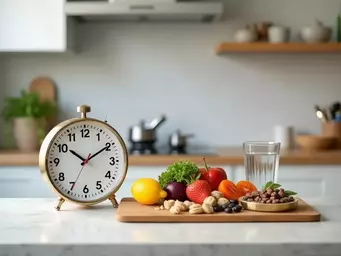
When we talk about 16/8 intermittent fasting, it's essential to grasp what it truly involves. This method allows for an eating window of 8 hours, during which you can consume your meals, followed by a fasting period of 16 hours. Sounds simple, right? Many people find this approach manageable, as it often aligns with their daily schedules, typically allowing for breakfast and lunch while skipping dinner. But how does this method specifically impact women's health? Let's dive in!
What is 16/8 Intermittent Fasting?
In essence, the 16/8 method divides the day into two parts: fasting and eating. You might choose to eat between 12 PM and 8 PM, meaning your last meal would ideally finish by 8 PM. This strategy can help streamline your eating patterns and may contribute to weight management and improved metabolic health.
- Most meals are consumed within an 8-hour window.
- Fasting for 16 hours, including sleep time, can feel more natural.
- Potentially enhances fat loss and metabolic health.
Moreover, this method allows for flexibility, which is crucial for many women balancing work, family, and personal time. The focus is on quality nutrition during the eating window—think whole, nutrient-dense foods to maximize benefits!
How 16/8 Fasting Differs for Women
While the 16/8 fasting approach can be effective for many, it’s important to recognize that women's bodies respond differently due to hormonal fluctuations. Factors like the menstrual cycle and hormonal health can influence how fasting affects energy levels, mood, and metabolism. For instance, some women may experience heightened cravings during certain phases of their cycle, making strict fasting more challenging. Delving into hormones, fasting, and weight loss can provide further insights.
- Hormonal fluctuations can affect fasting success.
- Individual experiences may vary based on reproductive health.
- Awareness of these differences can support a more tailored approach.
Understanding these unique aspects is crucial for anyone considering adopting the 16/8 method. It's not just about when you eat, but how your body interacts with the fasting period and how you can adjust your approach for better results!
Energy Levels and Appetite Regulation During Fasting Windows
One of the most interesting phenomena linked to 16/8 fasting is its effect on energy levels and appetite regulation. During the fasting period, many women report increased clarity and focus. This boost could be attributed to hormonal changes that enhance energy utilization. However, others might struggle with low energy, especially if they are not consuming enough nutrients during their eating window.
- Fasting can lead to improved energy levels for many.
- It's important to balance nutrient intake to prevent fatigue.
- Cognitive function may improve during fasting periods.
In my journey with fasting, I’ve noticed how vital it is to listen to your body. Some days may feel easier than others, and that's perfectly normal. Finding the right balance during your eating window will empower you to make the most out of your fasting experience, ensuring it complements your lifestyle!
The Hormonal Landscape: Key Hormones Affected by 16/8 Fasting
Now that we’ve explored the basics, let’s delve into the essential hormonal changes that 16/8 intermittent fasting can prompt, particularly for women. Hormones like estrogen and progesterone play fundamental roles in health, and understanding how fasting interacts with these hormones can lead to more informed choices about your fasting approach.
Pro Tip
Did you know? Pairing your meals with high-fiber foods can significantly enhance the benefits of 16/8 intermittent fasting. Foods like leafy greens, whole grains, and legumes not only keep you full longer but also help regulate blood sugar levels, making your fasting experience smoother and more beneficial!
Summarizing the Impacts of 16/8 Fasting on Women's Health
As we wrap up our exploration of 16/8 intermittent fasting, it's crucial to evaluate both the benefits and potential risks, especially for women. While many studies suggest that this fasting method can promote metabolic health and assist in weight management, the unique hormonal landscape of women means that individual experiences can vary widely. Understanding these dynamics can empower you to make informed decisions about your health.
Here are some key considerations:
- Benefits: Improved insulin sensitivity, weight loss, and hormonal balance.
- Risks: Potential disruptions to menstrual cycles, mood swings, and effects on long-term fertility.
- Personalization: Tailoring fasting schedules to fit individual hormonal needs and lifestyle.
Ultimately, each woman's health journey is unique. It’s essential to listen to your body and adjust your approach as needed!
Evaluating the Overall Benefits vs. Risks
Let’s take a deeper look at the balance between benefits and risks. Fasting can offer numerous advantages, such as regulating appetite and increasing energy levels. However, these benefits must be weighed against potential downsides, like hormonal imbalances.
For many women, the 16/8 fasting method provides a structured way to eat, which can simplify meal planning and help maintain a healthy weight. Yet, it’s important to monitor how your body reacts during fasting windows. Here’s what to watch for:
- Changes in mood or energy levels
- Irregularities in your menstrual cycle
- Feelings of extreme hunger or fatigue
Understanding these signs can help you maintain a healthy balance and modify your fasting approach for optimal results!
Practical Tips for Implementing 16/8 Fasting Safely
Implementing 16/8 intermittent fasting can be straightforward when you have the right strategies in place. At Fasting Mechanics, we always advocate for a science-backed approach to wellness. Here are some practical tips to help you get started:
How to Create a Fasting Schedule that Works for You
Finding a fasting schedule that complements your lifestyle is critical for success. Start by identifying your daily routine and when you typically feel most energetic. Here’s a simple way to structure your schedule:
- Choose an 8-hour eating window—common options include 12 PM to 8 PM or 10 AM to 6 PM.
- Plan meals that include a balance of proteins, healthy fats, and fiber-rich carbohydrates.
- Gradually increase your fasting period if you're new to it, allowing your body to adapt.
By customizing your schedule, you’ll find it easier to stick to fasting long-term!
Resources and Tools for Tracking Hormonal Changes
Being aware of your hormonal health can enhance your experience with intermittent fasting. Consider using tools and resources to keep track of your progress:
- Apps that monitor your menstrual cycle and fasting windows
- Journals to log your mood, energy levels, and eating habits
- Online forums or communities where you can share experiences and learn from others
By documenting your journey, you can identify patterns and adjust your approach accordingly, helping to maximize the benefits of fasting.
Hydration Strategies to Support Fasting
Staying hydrated is vital during your fasting windows. Not only does hydration support metabolic processes, but it can also help manage hunger levels. Here are some tips:
- Drink plenty of water throughout the day; aim for at least 8 glasses.
- Incorporate herbal teas or black coffee during fasting hours, which can help curb appetite.
- Experiment with electrolyte-rich drinks if you're feeling fatigued or lightheaded.
Keeping hydrated can enhance your fasting experience and contribute positively to your overall health!
Engaging with Your Health Journey
Starting a new health regimen like 16/8 fasting can be a rewarding experience when paired with community support. Engaging with others who share similar goals can motivate you and provide valuable insights.
Joining Communities for Support and Sharing Experiences
Finding a community can make all the difference in your fasting journey. Whether online or in-person, connecting with others allows you to share triumphs and challenges. Here’s how to get involved:
- Participate in social media groups focused on fasting and women’s health.
- Attend local meetups or health workshops to learn from health professionals.
- Invite friends or family to join you in fasting for shared experiences.
Support systems can help keep you accountable and inspired on your health journey!
Frequently Asked Questions about 16/8 Fasting and Women's Health
It’s natural to have questions when diving into intermittent fasting! Here are a few common queries that arise:
- Can I exercise during fasting periods?
- What should I do if I feel dizzy or fatigued?
- How do I know if fasting is right for me?
Finding answers to your questions can help clarify your understanding and encourage a positive fasting experience. For more information on safely embarking on your fasting journey, refer to our fasting safety essential checklist guide.
Frequently Asked Questions (FAQs)
What is the 16/8 intermittent fasting method?
The 16/8 intermittent fasting method involves consuming all your meals within an 8-hour window each day, followed by a 16-hour fasting period. For example, you might eat between 12 PM and 8 PM and fast for the remaining hours, including sleep.
How does 16/8 fasting affect women differently?
Women's bodies may respond uniquely to fasting due to hormonal fluctuations related to the menstrual cycle. This can impact energy levels, mood, and metabolism. It's crucial for women to listen to their bodies and adjust their fasting approach accordingly.
What are the potential benefits of 16/8 fasting for women?
Potential benefits include improved insulin sensitivity, weight management, increased energy and focus, and possible hormonal balance. However, individual experiences can vary.
Are there any risks for women doing 16/8 fasting?
Some potential risks for women include disruptions to menstrual cycles, mood swings or irritability, effects on long-term fertility, low energy/fatigue (especially if nutrient-deficient), and heightened cravings. Monitoring your body's response is key.
What practical tips can help women implement 16/8 fasting safely?
Practical tips include customizing your eating window to fit your lifestyle, planning nutrient-dense meals, gradually increasing your fasting period, staying well-hydrated, and tracking hormonal changes and energy levels. Engaging with supportive communities can also be beneficial.
Understanding the Role of Emotional Eating in Fasting
Emotional eating can be a challenge during fasting periods. Recognizing your triggers and developing coping strategies is essential. Consider these approaches:
- Practice mindful eating—focus on meals and savor each bite.
- Engage in stress-relief activities such as yoga or meditation.
- Identify emotional triggers and have a plan to address them.
By understanding and managing emotional eating, you can create a healthier relationship with food while fasting!
Recap of Key Points
Here is a quick recap of the important points discussed in the article:
- The 16/8 intermittent fasting method allows for an 8-hour eating window followed by a 16-hour fasting period.
- Women's hormonal fluctuations can impact fasting outcomes, making personalization key to success.
- During fasting, many women experience increased energy levels and improved cognitive function, while some may struggle with fatigue.
- Maintaining a balanced nutrient intake during eating windows is essential for optimizing health benefits.
- It's important to listen to your body and adjust your fasting approach based on individual responses and experiences.

Dr. Avery R. Lawson
Dr. Avery R. Lawson is an independent health researcher dedicated to making complex metabolic and nutrition science accessible. With a focus on the physiological effects of fasting, she interprets and communicates research findings to empower individuals in their health journeys. Through evidence-based insights, Dr. Lawson aims to demystify weight loss and promote sustainable wellness practices at Fasting Mechanics.
Popular Posts
Fasting and Women's Hormonal Health
![Fasting and Women's Hormonal Health]() Are you aware of how fasting can uniquely influence women's hormonal health? Understanding the intri
Are you aware of how fasting can uniquely influence women's hormonal health? Understanding the intri
 Are you aware of how fasting can uniquely influence women's hormonal health? Understanding the intri
Understanding Extended Fasting Safely
![Understanding Extended Fasting Safely]() What if you could unlock the secrets of your metabolism with a simple but powerful practice? Extende
What if you could unlock the secrets of your metabolism with a simple but powerful practice? Extende
 What if you could unlock the secrets of your metabolism with a simple but powerful practice? Extende
Essential Tools for Fasting Tracking
![Essential Tools for Fasting Tracking]() What if the right tools could revolutionize your fasting journey? With the growing tech landscape, f
What if the right tools could revolutionize your fasting journey? With the growing tech landscape, f
 What if the right tools could revolutionize your fasting journey? With the growing tech landscape, f
Intermittent Fasting for Busy Lives
![Intermittent Fasting for Busy Lives]() Fasting is more than just a trend; it’s a powerful tool that can reshape your metabolism and enhan
Fasting is more than just a trend; it’s a powerful tool that can reshape your metabolism and enhan
 Fasting is more than just a trend; it’s a powerful tool that can reshape your metabolism and enhan