Why People Fast
- ✓ Weight Loss: Significant fat loss through controlled periods.
- ✓ Improved Metabolic Health: Optimize insulin sensitivity, regulate blood sugar.
- ✓ Mental Clarity: Enhanced focus and cognitive function reported.
Fasting isn't merely a health trend; it’s a nuanced approach that carries both benefits and risks. As you consider diving into this journey, understanding the intricacies of fasting through a safety checklist can empower and guide your experience.
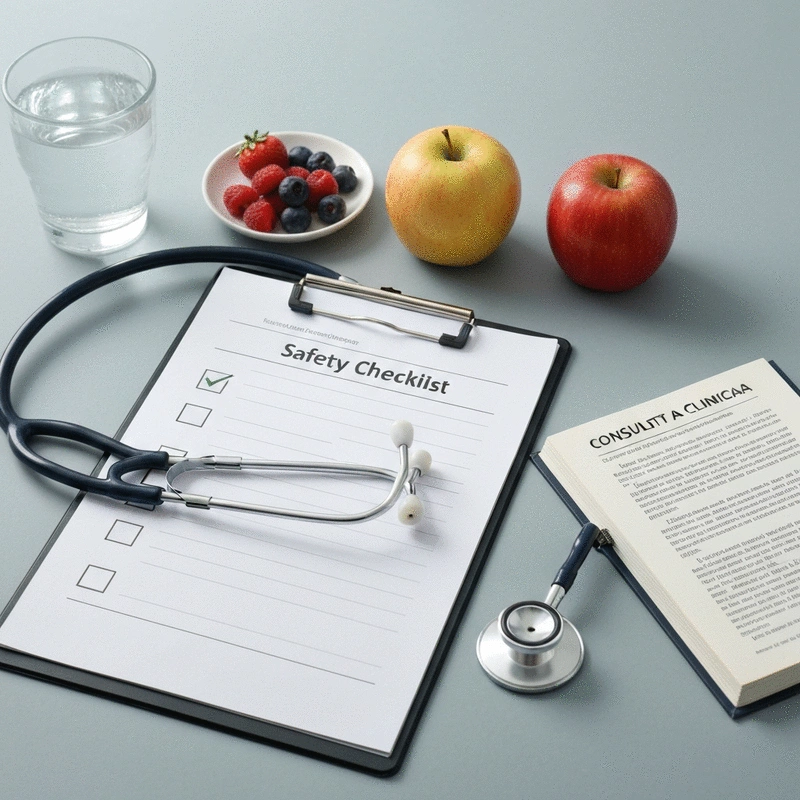
This visual outlines the crucial aspects of an effective fasting safety checklist and the primary reasons individuals choose to fast.
Fasting is gaining traction as a popular method for improving health and managing weight, but do you really know what it entails? It’s essential to understand the nuances and implications of fasting before diving in. At Fasting Mechanics, I've dedicated my research to making complex metabolic science accessible, ensuring you can navigate your health journey confidently. The importance of a safety checklist for fasting cannot be overstated—it serves as your roadmap to a safe and effective fasting experience.
So, why is fasting practiced? Many individuals embrace fasting for various reasons, including weight loss, improved metabolic health, and even spiritual growth. The physiological changes that occur during fasting can lead to benefits like enhanced insulin sensitivity and increased fat oxidation. However, without proper safety measures, one can easily overlook potential risks associated with fasting.
Fasting generally involves abstaining from food and caloric intake for a specific period. There are various methods, such as intermittent fasting and prolonged fasting, each with its unique benefits. Here are a few common reasons people choose to fast:
Fasting isn't just a trend; it’s rooted in scientific principles that can lead to profound shifts in health when approached thoughtfully. However, understanding its potential challenges is crucial, which is where a safety checklist comes in.
In my experience as a health researcher, I’ve found that a well-structured safety checklist can significantly mitigate potential risks associated with fasting. Think of it as a guiding framework that helps you assess your readiness and ensures you remain mindful of your body's responses during the fasting process. This approach is not just about the what but the how of fasting. For instance, understanding fasting's role in insulin sensitivity can profoundly impact your metabolic health.
A safety checklist empowers you to:
By having a safety checklist in place, you’re not just fasting; you’re doing it in a way that considers your overall health and well-being.
Creating an effective safety checklist is a straightforward yet powerful tool in your fasting toolkit. You should consider the following key components:
These elements combine to create a comprehensive safety checklist, guiding you through your fasting journey with confidence. Remember, practicing safe fasting is about listening to your body and making informed choices along the way!
Did you know? Staying hydrated is crucial during fasting. Proper hydration can help minimize feelings of hunger and maintain energy levels. Consider drinking plenty of water or herbal teas throughout your fasting period to support your body's needs!
The main benefits of fasting include weight loss, improved metabolic health (like enhanced insulin sensitivity and blood sugar regulation), and increased mental clarity and cognitive function.
A safety checklist is crucial for assessing your readiness for fasting, identifying potential risks based on your medical history, planning appropriate hydration strategies, and preparing for any emergencies, ensuring a safe and effective fasting experience.
Key components include a thorough medical history review, detailed hydration strategies, an emergency plan for adverse symptoms, and a nutritional support plan for feeding windows to maximize benefits.
It is highly recommended to consult with a healthcare provider, such as a nutritionist or registered dietitian, before starting any fasting regimen, especially if you have pre-existing medical conditions or are new to fasting.
To ensure proper hydration, drink plenty of water and herbal teas throughout your fasting period. This can help minimize feelings of hunger and maintain energy levels.
As we conclude our discussion on fasting safety, it’s vital to recognize the importance of personal responsibility and awareness in this journey. Fasting can offer profound benefits for metabolic health and weight management, but it’s not a one-size-fits-all solution. Understanding your body and its unique needs is crucial. By staying informed and being mindful of your health, you can navigate fasting in a way that maximizes benefits while minimizing potential risks. To further understand the mechanisms, consider exploring how fasting influences fat burning.
At Fasting Mechanics, we emphasize that informed decisions are the key to a successful fasting experience! Remember, knowledge is empowering, and it can help prevent unnecessary health complications.
Fasting comes with its set of advantages, such as improved metabolic health and weight loss, but it also carries risks, especially for certain individuals. Striking a balance between the benefits and potential hazards is essential for anyone considering this approach. It’s crucial to weigh the pros against any underlying health concerns, as this will guide your fasting plan.
In the end, fasting can be a rewarding tool for those who approach it safely and thoughtfully. So, are you ready to explore the benefits while keeping your health top of mind?
Engaging with healthcare professionals, such as nutritionists and registered dietitians, can significantly enhance your fasting experience. These experts can provide tailored guidance that aligns with your individual health needs and lifestyle. They can help you develop a sustainable fasting plan that integrates the right balance of nutrients. For instance, they can advise on protein and nutrient goals while fasting to ensure adequate intake.
At Fasting Mechanics, we believe in a collaborative approach to health. Working alongside qualified professionals not only elevates your fasting experience but also ensures you stay informed and safe on your health journey!
If you’re contemplating fasting, I encourage you to connect with a healthcare provider. They can assess your unique health profile and help you determine whether fasting is a suitable option for you. Having that expert advice can pave the way for a safer and more effective fasting journey.
At Fasting Mechanics, we’re committed to providing you with resources that enhance your understanding of fasting. Check out our interactive quizzes and comprehensive guides that delve into various fasting methods and their impacts on health. Let’s embark on this journey together and empower ourselves with knowledge!
Here is a quick recap of the important points discussed in the article:
Dr. Avery R. Lawson is an independent health researcher dedicated to making complex metabolic and nutrition science accessible. With a focus on the physiological effects of fasting, she interprets and communicates research findings to empower individuals in their health journeys. Through evidence-based insights, Dr. Lawson aims to demystify weight loss and promote sustainable wellness practices at Fasting Mechanics.