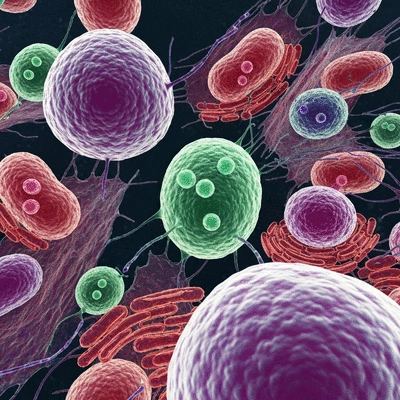
What if a simple practice could transform your health and longevity? Fasting is more than just a dietary choice; it's a profound tool that can enhance your metabolic health through a natural process called autophagy. Let's explore this fascinating connection!
What You Will Learn
Autophagy is the body's natural process of cellular cleanup that promotes metabolic health by recycling damaged cells.
Fasting triggers autophagy, leading to improved cellular function and better energy balance.
Regular fasting can enhance insulin sensitivity, aid in weight management, and reduce inflammation.
While fasting has numerous benefits, it’s essential to consider individual health conditions and consult a professional if necessary.
Autophagy and Fasting: Cellular Cleanup Mechanisms
This visual explores the relationship between fasting durations and their impact on autophagy induction, alongside the key benefits of this crucial cellular process. For a deeper dive into the basics, consider understanding autophagy in simple terms.
Fasting's Role in Inducing Autophagy
16-24 HoursInitiates Autophagy
48+ HoursSignificantly Enhances Autophagy
Intermittent FastingSupports Regular Cycles
Key Contributions to Metabolic Health
✓ Cellular Integrity
✓ Regulating Energy Metabolism
✓ Immune Responses
✓ Reduces Chronic Disease Risk
Cellular Cleanup Benefits
✓ Enhanced Mitochondrial Function
✓ Reduced Inflammation
✓ Supports Muscle Health
✓ Prevents Cellular Damage
Long-Term Benefits of Fasting
● Improved Insulin Sensitivity
● Weight Management
● Enhanced Cellular Repair
● Reduced Inflammation
Understanding the Connection Between Autophagy and Fasting
At Fasting Mechanics, we strive to make complex scientific concepts, like autophagy, accessible to everyone. So, what is autophagy? It’s the body’s way of cleaning out damaged cells, allowing for the regeneration of newer, healthier cells. This process is vital for maintaining metabolic health, as it helps to prevent diseases and enhances recovery. Autophagy acts like a cellular recycling system, ensuring that your body functions optimally!
Understanding autophagy is crucial because it directly impacts how our bodies respond to fasting. When we fast, we not only give our digestive system a break but also initiate processes that enhance our overall health. By promoting autophagy, fasting helps our cells rid themselves of toxins and rejuvenate, paving the way for better metabolic function.
What is Autophagy and Why is it Important for Metabolic Health?
Autophagy is derived from the Greek words meaning "self-eating." It refers to the mechanism through which cells degrade and recycle their components. This process is essential for metabolic health because it contributes to:
Maintaining cellular integrity and function.
Regulating energy metabolism.
Supporting immune responses.
Reducing the risk of chronic diseases.
By enhancing autophagy, we can improve our body’s ability to manage stress and maintain its energy balance. It’s fascinating to think about how something as simple as fasting can kickstart a powerful cellular process!
The Role of Fasting in Inducing Autophagy
Fasting is a potent trigger for autophagy. When we abstain from food, our body switches from using glucose for energy to utilizing fat stores. This metabolic shift stimulates autophagic processes. Research shows that different fasting durations can have varying effects on autophagy levels, making it essential to find a method that works for you.
Short-term fasting (16-24 hours) can initiate autophagy.
Longer fasts (48 hours and beyond) significantly enhance autophagic activity.
Incorporating fasting into your routine could be a game-changer! Not only does it help with weight management, but it also primes your body for better cellular health.
Exploring Cellular Cleanup: How Autophagy Maintains Health
Autophagy is crucial for cellular cleanup, ensuring that damaged proteins and organelles are removed efficiently. This process helps maintain the delicate balance within our cells, which is necessary for optimal metabolic health. When autophagy is functioning properly, it can:
Enhance mitochondrial function.
Reduce inflammation.
Support muscle health by recycling old cellular components.
By prioritizing autophagy through fasting, we are not just promoting fat loss; we're investing in our long-term health. As a health researcher, I’m passionate about helping others understand these profound benefits. Let’s embark on this journey together towards better wellness!
Frequently Asked Questions About Autophagy and Fasting
Q: What is autophagy?
A: Autophagy is the body's natural cellular cleanup process where damaged cells are removed and recycled, promoting the regeneration of healthier cells. It's vital for maintaining metabolic health and preventing diseases.
Q: How does fasting trigger autophagy?
A: When you fast, your body shifts from using glucose to burning fat for energy. This metabolic change acts as a powerful trigger, stimulating autophagic processes within your cells.
Q: How long do I need to fast to induce autophagy?
A: Short-term fasting (16-24 hours) can initiate autophagy, while longer fasts (48 hours and beyond) significantly enhance its activity. Intermittent fasting can also support regular autophagic cycles.
Q: What are the main benefits of enhanced autophagy for metabolic health?
A: Enhanced autophagy contributes to maintaining cellular integrity, regulating energy metabolism, supporting immune responses, reducing chronic disease risk, improving insulin sensitivity, aiding weight management, and reducing inflammation.
Q: Are there any risks associated with fasting for autophagy?
A: While beneficial, fasting may not be suitable for everyone. Individuals with pre-existing health conditions (like diabetes), pregnant or breastfeeding women, and those with a history of eating disorders should approach fasting with caution or avoid it. Always listen to your body and consult a professional if needed.
Engage with Your Experience
Have you tried incorporating fasting into your routine? We'd love to hear about your journey! Share your thoughts on how fasting has impacted your health and well-being:
Reviewing the Implications of Autophagy and Fasting on Health
As we delve deeper into the fascinating world of autophagy and its relationship with fasting, it's essential to recognize the profound implications these processes have on our overall health. At Fasting Mechanics, we understand that the journey toward metabolic health isn't just about what you eat; it's about how your body utilizes those nutrients, especially in the context of fasting. Let’s explore the long-term benefits, potential risks, and their connections to diseases as we age.
The Long-Term Benefits of Fasting for Metabolic Health
Engaging in regular fasting can significantly enhance metabolic health, impacting various systems in the body. The most notable benefits include:
Improved Insulin Sensitivity: Fasting helps your body become more responsive to insulin, facilitating better glucose control. This is closely related to fasting's role in insulin sensitivity.
Weight Management: By stimulating fat oxidation and energy expenditure, fasting aids in maintaining a healthy weight.
Enhanced Cellular Repair: Autophagy acts as a natural detox, removing damaged cells and proteins, which can lead to longevity.
Reduced Inflammation: Regular fasting can lower inflammation, a key contributor to many chronic diseases.
These benefits are not just temporary; they can lead to long-lasting improvements in health, making fasting a valuable practice for those looking to enhance their well-being sustainably. From my experience, incorporating fasting into your routine can be enlightening, opening up new avenues for health improvement.
Potential Risks and Contraindications to Consider
While fasting offers numerous health benefits, it’s crucial to be aware of potential risks and contraindications. Not everyone may find fasting beneficial, and understanding your body is paramount. Consider these factors:
Pre-existing Health Conditions: If you have diabetes or other metabolic disorders, fasting should be approached with caution.
Pregnancy or Breastfeeding: Women in these stages should prioritize consistent nutrient intake rather than fasting.
Eating Disorders: Those with a history of disordered eating may find fasting exacerbates their condition.
Listening to your body is essential! If you feel unwell or experience significant discomfort while fasting, it’s a signal to reevaluate your approach. At Fasting Mechanics, we emphasize the importance of safety and informed choices in your health journey.
Understanding the Connection Between Autophagy and Age-Related Diseases
As we age, our bodies become less efficient at clearing out cellular debris, which can lead to various age-related diseases such as Alzheimer's, Parkinson's, and certain cancers. This is where autophagy plays a critical role. Research shows that enhanced autophagic activity can:
Support Brain Health: Increased autophagy may protect against neurodegenerative diseases, keeping our minds sharper for longer.
Reduce Chronic Disease Risk: By improving metabolic health, fasting and autophagy together lower the likelihood of developing diseases linked to aging.
Understanding this connection motivates many to incorporate fasting into their routines. Have you considered how fasting could support your journey toward longevity? It’s fascinating to think about how a simple practice can yield such profound benefits!
Recap of Key Points
Here is a quick recap of the important points discussed in the article:
Autophagy is the body's process of cleaning out damaged cells, crucial for metabolic health.
Fasting triggers autophagy, promoting cellular rejuvenation and better metabolic function.
Short-term fasting (16-24 hours) can initiate autophagy, while longer fasts (48 hours and beyond) enhance it significantly.
Regular fasting can lead to long-term benefits such as improved insulin sensitivity, weight management, and reduced inflammation.
Awareness of potential risks is important; fasting may not be suitable for everyone, particularly those with certain health conditions.
Dr. Avery R. Lawson
Dr. Avery R. Lawson is an independent health researcher dedicated to making complex metabolic and nutrition science accessible. With a focus on the physiological effects of fasting, she interprets and communicates research findings to empower individuals in their health journeys. Through evidence-based insights, Dr. Lawson aims to demystify weight loss and promote sustainable wellness practices at Fasting Mechanics.
Fasting Formats for Your Goals
What if your eating schedule could unlock new levels of health and wellness? Understanding various f
Quick Fasting Mechanics Insight
Unlock your body's fat-burning potential! Fasting can significantly improve insulin sensitivity, helping your body tap into fat stores for energy.
Did you know fasting can boost Human Growth Hormone (HGH)? This hormone aids in fat loss while preserving muscle mass – a win-win for metabolic health!
Start with the 16:8 method: an 8-hour eating window and 16 hours of fasting. It's a manageable way to introduce your body to the benefits of intermittent fasting.
Quality over quantity! During your eating window, prioritize nutrient-dense foods like proteins, healthy fats, and vegetables to amplify fasting benefits.
Fasting isn't just about weight loss. It also promotes cellular repair processes, including autophagy, which can enhance overall longevity and health.
Hydration is key! Drink plenty of water, black coffee, or herbal tea during your fasting periods to stay energized and suppress hunger.
Listen to your body. While fasting offers many benefits, it's crucial to adjust your approach if you experience discomfort or low energy levels.
Explore various fasting methods like OMAD (One Meal A Day) or alternate-day fasting to find what best suits your lifestyle and health goals.
Fasting can improve metabolic flexibility, teaching your body to efficiently switch between burning sugar and fat for fuel.
Combine fasting with a balanced diet and regular exercise for optimal weight loss and metabolic health improvements.
Consider consulting with a healthcare professional before starting any new fasting regimen, especially if you have underlying health conditions.
Track your progress! Monitoring how fasting impacts your energy levels, mood, and weight can help you refine your approach for sustainable results.
Ready to transform your health? Discover the science-backed benefits of fasting and take control of your metabolic wellness today!
Fasting is not suitable for everyone, especially those with pre-existing health conditions like diabetes, pregnant women, or individuals with a history of eating disorders. It is essential to consult with a healthcare professional before starting any fasting regimen to ensure it is appropriate and safe for your specific health needs.