CRP (C-Reactive Protein): General inflammation indicator.
Fasting and Inflammation Markers Explained

Did you know that chronic inflammation can silently contribute to serious health issues such as diabetes and heart disease? Understanding the role of inflammation in our bodies is crucial for taking control of our health!
What You Will Learn
- The difference between acute and chronic inflammation and its impact on health.
- Key inflammation markers like CRP, TNF-α, and IL-6 that indicate inflammation levels.
- How chronic inflammation can contribute to insulin resistance and increase diabetes risk.
- The benefits of fasting in reducing inflammation markers and improving metabolic health.
- The role of omega-3 fatty acids and phytochemicals in managing inflammation.
- Actionable steps to tailor your fasting strategies aimed at lowering chronic disease risk.
Inflammation & Fasting: Key Markers and Benefits
Understanding inflammation markers is crucial for managing chronic disease risk. Fasting can significantly influence these markers, promoting better metabolic health.
Key Inflammation Markers
TNF-α (Tumor Necrosis Factor Alpha): Systemic inflammation.
IL-6 (Interleukin 6): Immune response mediator.
Fasting's Impact on Inflammation
Reduced CRP levels: Lowering overall inflammatory load.
Decreased TNF-α & IL-6: Mitigating chronic disease risk.
Improved Insulin Sensitivity: Less insulin-related inflammation.
Understanding Inflammation and Its Role in Chronic Disease
Inflammation is often misunderstood. While it's a natural response of your body's immune system to injury or infection, chronic inflammation can lead to serious health issues. Many adults don't realize that this prolonged state can be a silent contributor to chronic diseases, such as diabetes, heart disease, and obesity. Understanding inflammation and its markers is key to taking control of your health!
- Acute vs. Chronic Inflammation
- How Inflammation Affects Your Body
- Importance of Monitoring Inflammatory Markers
In this section, we'll dive deeper into what inflammation markers are and how they relate to chronic disease risk. By grasping these concepts, you'll be better equipped to make informed health decisions. For a comprehensive look at how fasting impacts your body's metabolic processes, check out our article on understanding autophagy in simple terms.
What Are Inflammation Markers?
Inflammation markers are substances in your body that indicate the presence and level of inflammation. They help healthcare professionals assess your health status and risk for chronic diseases. Understanding these markers can empower you in your fasting journey and help tailor your nutritional strategies!
- CRP (C-Reactive Protein): A key marker used to assess inflammation levels.
- TNF-α (Tumor Necrosis Factor Alpha): A protein involved in systemic inflammation.
- IL-6 (Interleukin 6): A cytokine that plays a role in immune responses and inflammation.
Accurately interpreting these markers can lead to better health insights. For instance, if your CRP levels are elevated, it might indicate a heightened risk for disease, prompting you to consider lifestyle changes or fasting methods to improve your metabolic health.
Key Inflammatory Biomarkers: CRP, TNF-α, IL-6, and More
Among the most notable markers, CRP stands out. Higher levels of CRP can signify inflammation and correlate with increased risk of cardiovascular issues. Similarly, TNF-α and IL-6 are crucial in understanding chronic conditions. Monitoring these can help you grasp the bigger picture of your health!
Other markers worth noting include fibrinogen and SAA (Serum Amyloid A). Keeping an eye on these biomarkers can lead to proactive strategies to mitigate risk factors associated with chronic diseases. Learn more about how fasting can impact these processes and improve insulin sensitivity.
The Link Between Inflammation and Chronic Disease Risk
So, how does chronic inflammation contribute to conditions like diabetes and cardiovascular disease? It’s fascinating how interconnected our body systems are! Chronic inflammation can impair insulin sensitivity, leading to insulin resistance—a precursor to type 2 diabetes. If you’re looking to optimize your health, understanding this link is vital.
- Chronic Inflammation and Insulin Resistance
- The Impact on Cardiovascular Health
- Inflammation as a Risk Factor for Other Diseases
This chronic state of inflammation not only disrupts insulin function but also contributes to the buildup of arterial plaque. When you recognize these correlations, it can motivate you to explore interventions like fasting that may mitigate these risks!
How Chronic Inflammation Contributes to Conditions like Diabetes and Cardiovascular Disease
Chronic inflammation can lead to a cycle of worsening health. For instance, insulin resistance can increase blood sugar levels, which can further promote inflammation. It's a cycle that can seem daunting, but understanding it is the first step toward taking charge of your health.
By incorporating fasting techniques into your routine, you may help break this cycle and promote a healthier response to inflammation.
The Role of Insulin Resistance and Adipokines in Chronic Inflammation
Insulin resistance is often accompanied by the release of adipokines, which are inflammatory proteins produced by fat cells. Elevated levels of adipokines can exacerbate inflammation, creating a challenging environment for maintaining optimal health. This is where your fasting practices can come into play!
Implementing a structured fasting approach might help reduce these inflammatory markers and enhance your metabolic health. Understanding how these components interact can empower you to make informed decisions about your health journey. For deeper insights into how fasting can influence hormone regulation, read our article on hormones, fasting, and weight loss.
Interactive Poll: Your Fasting Experience
We'd love to hear from you! Have you tried fasting as a method to manage inflammation or improve your health? Share your experience below:
Frequently Asked Questions About Inflammation and Fasting
Acute inflammation is your body's immediate, short-term response to injury or infection, characterized by signs like redness, swelling, and pain. Chronic inflammation, on the other hand, is a prolonged, low-grade inflammatory state that can persist for months or years, silently contributing to various chronic diseases such as diabetes and heart disease.
Key inflammation markers include C-Reactive Protein (CRP), Tumor Necrosis Factor Alpha (TNF-α), and Interleukin 6 (IL-6). CRP is a general indicator of inflammation. TNF-α is a protein involved in systemic inflammation, while IL-6 is a cytokine that mediates immune responses and inflammation. Elevated levels of these markers can signify increased health risks.
Chronic inflammation can impair the body's ability to respond to insulin, leading to insulin resistance. This means cells don't absorb glucose effectively, causing blood sugar levels to rise, which is a precursor to type 2 diabetes. The inflammatory state can also promote the release of inflammatory proteins (adipokines) from fat cells, further exacerbating insulin resistance.
Fasting can significantly reduce inflammatory biomarkers such as CRP, TNF-α, and IL-6. This reduction in overall inflammatory load can lead to improved metabolic health, including enhanced insulin sensitivity, which helps break the cycle of inflammation and high blood sugar.
Omega-3 fatty acids, found in foods like fatty fish and flaxseeds, and phytochemicals, abundant in colorful fruits and vegetables, are powerful anti-inflammatory agents. They help reduce inflammatory pathways in the body and can support brain health. Incorporating these nutrients alongside fasting strategies can enhance your overall inflammation control efforts.
Summarizing the Benefits of Fasting on Inflammation Markers
When it comes to understanding the benefits of fasting, one of the most significant impacts is its ability to influence inflammation markers in the body. Research suggests that various fasting protocols can lead to marked reductions in inflammatory biomarkers, which could be a game-changer in chronic disease prevention. But what can you really expect from fasting in terms of your inflammatory response?
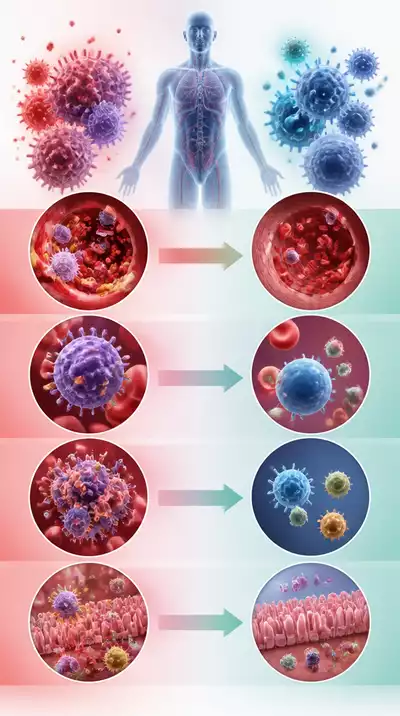
First, let’s look at the common inflammatory markers affected by fasting. You'll often hear about C-reactive protein (CRP), tumor necrosis factor-alpha (TNF-α), and interleukin-6 (IL-6). These markers can tell us a lot about how our body is responding to inflammation, and fasting has shown promise in lowering these levels significantly. This, in turn, can lead to better overall health outcomes!
What to Expect from Fasting in Terms of Inflammatory Response
Fasting can trigger a series of beneficial changes in your body's inflammatory response. Here are some key expectations:
- Reduced levels of CRP, indicating lower overall inflammation
- Decreased TNF-α and IL-6 levels, which are linked to various chronic diseases
- Improved insulin sensitivity, contributing to less insulin-related inflammation
By regularly incorporating fasting into your routine, you might notice not just physical changes, but mental clarity as well. This holistic improvement can be vital for anyone looking to manage their inflammation levels effectively!
Contextualizing Your Health Goals with Fasting Strategies
Understanding how fasting aligns with your personal health goals is essential. For instance, if your aim is to reduce inflammation related to a chronic condition, you might consider adopting intermittent fasting as a starting point. This method is not just manageable; it can also complement your overall lifestyle.
It's essential to tailor your fasting approach based on your individual health needs. Some strategies to consider include:
- Choosing the right fasting method (e.g., 16:8, alternate-day fasting)
- Combining fasting with nutrient-dense foods during eating windows
- Monitoring your inflammatory markers periodically to gauge progress
By personalizing your fasting regimen, you’ll be better positioned to reach your health goals while keeping your inflammation in check!
The Role of Omega-3 Fatty Acids and Phytochemicals in Supporting Inflammation Control
In addition to fasting, incorporating certain nutrients can further enhance your body's ability to manage inflammation. Omega-3 fatty acids and phytochemicals play a pivotal role in this process. Specifically, these nutrients can:
- Help reduce inflammatory pathways in the body
- Support brain health and improve mood
- Enhance the fasting benefits by promoting fat loss and reducing insulin resistance
Foods rich in omega-3s, like fatty fish, walnuts, and flaxseeds, paired with a variety of colorful fruits and vegetables for phytochemicals, can significantly support your inflammation control efforts. As you explore fasting's benefits, remember that these nutrients can be powerful allies in your quest for better health!

Taking Action: Your Next Steps Towards Lowering Chronic Disease Risk
Now that we’ve covered the benefits of fasting on inflammation markers, let’s talk about actionable steps you can take to lower your chronic disease risk. Implementing what you've learned is vital for reaping the benefits!
Recap of Key Points
Here is a quick recap of the important points discussed in the article:
- Chronic inflammation is a silent contributor to chronic diseases like diabetes and heart disease.
- Key inflammatory markers include CRP, TNF-α, and IL-6, which can indicate health risks.
- Fasting can lead to significant reductions in inflammatory markers, promoting better health outcomes.
- Personalizing your fasting approach can help you achieve specific health goals related to inflammation.
- Incorporating omega-3 fatty acids and phytochemicals can further enhance inflammation control.

Dr. Avery R. Lawson
Dr. Avery R. Lawson is an independent health researcher dedicated to making complex metabolic and nutrition science accessible. With a focus on the physiological effects of fasting, she interprets and communicates research findings to empower individuals in their health journeys. Through evidence-based insights, Dr. Lawson aims to demystify weight loss and promote sustainable wellness practices at Fasting Mechanics.
Popular Posts
Mastering Metabolic Flexibility Through Fasting
![Mastering Metabolic Flexibility Through Fasting]() What if the secret to optimizing your health lies in your body's ability to switch between burning f
What if the secret to optimizing your health lies in your body's ability to switch between burning f
 What if the secret to optimizing your health lies in your body's ability to switch between burning f
Tailoring Fasting to Your Metabolism
![Tailoring Fasting to Your Metabolism]() What if your approach to fasting could be as unique as your fingerprint? Personalized fasting method
What if your approach to fasting could be as unique as your fingerprint? Personalized fasting method
 What if your approach to fasting could be as unique as your fingerprint? Personalized fasting method
Post-Fasting Nutrient Timing Strategies
![Post-Fasting Nutrient Timing Strategies]() Have you ever considered how the timing of your meals might influence your metabolic health? The fas
Have you ever considered how the timing of your meals might influence your metabolic health? The fas
 Have you ever considered how the timing of your meals might influence your metabolic health? The fas
Fasting Formats for Your Goals
![Fasting Formats for Your Goals]() What if your eating schedule could unlock new levels of health and wellness? Understanding various f
What if your eating schedule could unlock new levels of health and wellness? Understanding various f
 What if your eating schedule could unlock new levels of health and wellness? Understanding various f