Triglyceride Reduction During Fasting
Fasting significantly reduces triglyceride levels by decreasing insulin, promoting fat breakdown, and shifting the body to fat oxidation.
Levels Drop by 20-30%
Fasting isn’t just a dietary trend; it’s a transformative practice backed by science. Recent studies reveal that fasting can significantly influence triglyceride levels, which are crucial indicators of metabolic health. What if you could harness this knowledge to enhance your well-being?
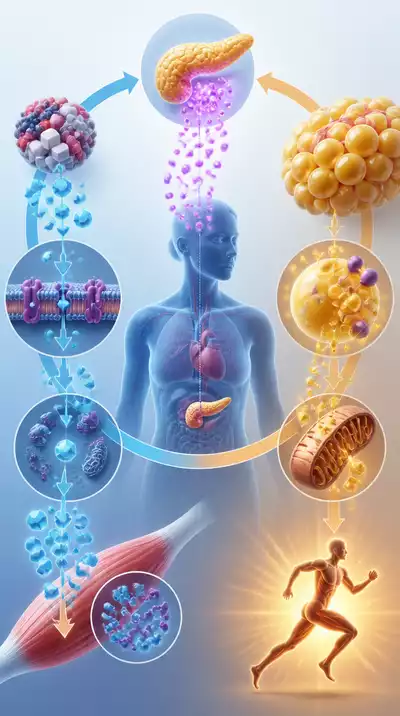
Delve into how fasting influences triglyceride levels and lipid metabolism through key mechanisms and comparative insights. This visual highlights the significant shifts in the body's energy utilization during fasting periods. For a deeper understanding of how your body shifts its energy sources, explore understanding metabolic flexibility and fasting.
Fasting significantly reduces triglyceride levels by decreasing insulin, promoting fat breakdown, and shifting the body to fat oxidation.
Levels Drop by 20-30%
Fasting panels offer lower, more accurate triglyceride readings compared to non-fasting, crucial for cardiovascular risk assessment.
Fasting: Lower TG
Non-Fasting: Higher TG
Fasting promotes lipolysis through reduced insulin, enhancing fat breakdown and shifting metabolism from carbs to fats.
Individual metabolism, fasting duration, and dietary choices during eating windows all impact lipid responses.
Duration, Body Comp, Diet Key
Fasting has become a popular topic, and for good reason! It can profoundly influence our body's lipid profiles, particularly triglyceride levels. At Fasting Mechanics, we aim to demystify these changes so you can better understand how fasting plays a role in your metabolic health.
When we fast, our bodies undergo a series of biochemical transformations. It’s crucial to grasp what happens to triglyceride levels during these periods, as they are key indicators of our overall health. Let's dive into this fascinating relationship!
During fasting, triglyceride levels typically experience a significant reduction. This dip is largely due to decreased insulin levels, which promote fat breakdown. When fasting, the body shifts from utilizing glucose for energy to burning fat stores, leading to a decline in triglyceride concentrations.
Understanding these phases can empower you to make informed choices regarding your fasting practices and overall health. This transition to fat burning is essential for weight loss and metabolic improvement! To learn more about this process, read our guide on understanding fasting and fat burning.
Comparing lipid panels taken during fasting and nonfasting states reveals notable differences. Fasting lipid panels generally show lower triglyceride levels compared to nonfasting ones. This can lead to more accurate assessments of your cardiovascular risk.
By opting for fasting lipid panels, you’re likely to get a clearer picture of your lipid health, helping you make better decisions about your dietary habits and fasting practices.
The mechanisms that drive changes in triglyceride composition during fasting are fascinating! Essentially, fasting reduces insulin levels, which leads to increased lipolysis—the breakdown of fats stored in adipose tissue. This process releases free fatty acids into the bloodstream, which can then be used for energy.
This metabolic shift is one of the primary reasons why many individuals turn to fasting as a weight loss strategy. It not only aids in weight loss but also improves overall metabolic health!
While fasting induces beneficial changes, several factors can influence triglyceride and lipid levels during this process. Individual differences in metabolism, the duration of fasting, and dietary choices all play a role.
To maximize the benefits of fasting, it’s essential to consider these factors. Remember, everyone’s body responds differently, and tailoring your approach can lead to better outcomes!
Insulin sensitivity plays a critical role during fasting, influencing how fats are metabolized. As insulin levels drop, the body becomes more efficient at utilizing fat stores for energy. This increased sensitivity can lead to improved triglyceride levels and overall lipid profiles.
Understanding this relationship between insulin sensitivity and lipid metabolism can empower you to use fasting as a tool for improving your health. At Fasting Mechanics, we’re here to guide you along this journey! For more detailed insights, check out fasting's role in insulin sensitivity.
To maximize the benefits of fasting on your triglyceride levels, consider integrating regular physical activity into your routine. Engaging in exercise not only enhances fat oxidation during fasting but also improves overall insulin sensitivity. Remember, it's not just about fasting—what you do during your eating periods and how active you are can significantly influence your lipid profiles!
Fasting typically leads to a significant reduction in triglyceride levels. This occurs because decreased insulin during fasting promotes the breakdown of stored fats (lipolysis), shifting the body's energy source from glucose to fat oxidation.
Fasting lipid panels are generally considered more accurate for assessing cardiovascular risk, as they show lower and more stable triglyceride levels compared to non-fasting panels, which can be influenced by recent food intake.
During fasting, insulin levels drop, which enhances insulin sensitivity. This increased sensitivity makes the body more efficient at utilizing stored fats for energy, leading to improved triglyceride levels and overall lipid profiles.
Several factors can influence lipid changes during fasting, including individual metabolism, the duration of the fast, body composition, and dietary choices made during eating windows. Tailoring your fasting approach to these individual factors is key.
Fasting can be particularly beneficial for individuals with borderline high triglycerides or cholesterol, those seeking weight loss or metabolic health improvements, and adults looking to enhance insulin sensitivity.
As we delve into the practical aspects of fasting and its influence on lipid health, it's essential to understand who can benefit from this approach. Fasting can be a powerful tool for lipid improvement, but it’s not for everyone. Let’s explore who should consider incorporating fasting into their health regimen!
Fasting is particularly beneficial for certain individuals looking to manage their lipid profiles more effectively. For example, those with elevated triglycerides or cholesterol levels might find fasting helpful in their health journey. Additionally, individuals who have struggled with weight loss may also benefit from fasting due to its metabolic impacts.
However, fasting isn't a one-size-fits-all solution. It's crucial to consider individual health conditions and consult with a healthcare professional before starting any fasting regimen.
Not everyone will experience the same benefits from fasting. Some people may thrive on intermittent fasting, while others might find prolonged fasting more effective. It's essential to assess your personal health status and lifestyle before making a decision. Here are a few factors to consider:
These considerations will help guide your decision on whether fasting can be a beneficial part of your health journey. Remember, tailoring your approach to your unique circumstances is key!
Understanding your triglyceride levels is crucial when considering fasting. If your results are borderline, it may indicate that you're at risk for cardiovascular issues, but there are actionable steps you can take. It’s essential to look at the complete picture—both fasting and non-fasting lipid profiles can provide valuable insights.
Fasting may help lower those triglyceride levels, but it’s vital to monitor your progress closely and make adjustments as needed. For more information on safely embarking on a fasting journey, refer to our fasting safety essential checklist guide.
Diet plays a significant role in how fasting affects lipid management. To maximize the benefits of fasting, consider these nutritional guidelines:
By following these guidelines, you can enhance the positive effects of fasting on your lipid profiles and overall health. Remember, nourishing your body during eating periods is just as critical as the fasting itself!
Here is a quick recap of the important points discussed in the article:
Dr. Avery R. Lawson is an independent health researcher dedicated to making complex metabolic and nutrition science accessible. With a focus on the physiological effects of fasting, she interprets and communicates research findings to empower individuals in their health journeys. Through evidence-based insights, Dr. Lawson aims to demystify weight loss and promote sustainable wellness practices at Fasting Mechanics.