Hypogonadism and Fasting: Key Risks

Did you know that understanding your hormonal health can significantly impact your well-being, especially during fasting? Exploring hypogonadism and its interplay with fasting may provide vital insights for those seeking to optimize their health.
What You Will Learn
- Recognize the common symptoms of hypogonadism, such as fatigue, depression, and reduced libido.
- Differentiate between primary and secondary hypogonadism to better understand treatment options.
- Learn how prolonged fasting affects the hypothalamic-pituitary-gonadal (HPG) axis and testosterone production.
- Understand the role of hormones like luteinizing hormone, ghrelin, and leptin in regulating appetite and hormonal balance during fasting.
- Identify when to seek testosterone level testing based on symptoms like low energy and mood swings.
- Recognize the importance of fasting versus non-fasting tests for accurate assessment of testosterone levels.
Hypogonadism and Prolonged Fasting: Key Considerations
Understanding how fasting impacts hormonal health, particularly testosterone and the HPG axis, is crucial for informed health decisions. Below, we outline symptoms, key hormonal interactions, and testing considerations.
Defining Hypogonadism
Characterized by insufficient testosterone production, affecting mood, energy, and body composition. Differentiated into primary (testes issue) and secondary (pituitary/hypothalamus issue).
- Low energy & fatigue
- Reduced sexual desire
- Loss of muscle mass
- Increased body fat
Fasting & HPG Axis Effects
Prolonged fasting impacts the Hypothalamic-Pituitary-Gonadal (HPG) axis, influencing hormonal balance and testosterone production.
- Reduces insulin (potentially boosts T)
- Alters leptin levels
- Stimulates growth hormone
- Ghrelin rises (hunger), leptin drops (satiety)
When to Seek Testosterone Testing
Testosterone tests provide insights, with fasting tests often offering clearer baseline levels. Consider testing if you experience specific symptoms.
- Persistent fatigue
- Reduced libido / sexual dysfunction
- Mood swings / irritability
- Loss of muscle mass
Fasting & Hormones: FAQs
Prolonged fasting can potentially lower testosterone. Certain groups should avoid or exercise caution with extended fasting due to hormonal sensitivities.
- Can prolonged fasting lower T-levels? Yes.
- Who should avoid it? Those with existing imbalances, eating disorders, athletes, older men.
- How it affects libido/sperm? Can alter hormonal balance.
Understanding Hypogonadism and Prolonged Fasting
Understanding hypogonadism is crucial for anyone interested in the intersection of hormonal health and fasting. Hypogonadism is characterized by the body’s inability to produce sufficient testosterone, which can affect various aspects of health, including mood, energy levels, and even body composition. By exploring the symptoms and causes of this condition, we can better appreciate how prolonged fasting may influence hormonal balance.
Defining Hypogonadism: Symptoms and Causes
Hypogonadism can manifest in a variety of ways. Common symptoms include fatigue, depression, reduced libido, and decreased muscle strength. These signs often lead individuals to seek answers, understanding that hormonal health plays a significant role in overall well-being. I’ve seen many clients at Fasting Mechanics express concerns about their energy levels, and it all ties back to understanding their hormonal landscape.
Common Symptoms of Hypogonadism in Men
- Low energy and fatigue
- Reduced sexual desire
- Difficulty concentrating
- Loss of muscle mass
- Increased body fat
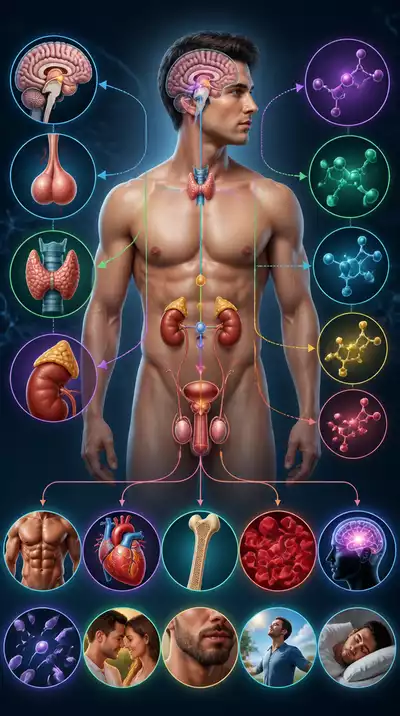
Each of these symptoms might seem isolated, but together they can indicate a deeper hormonal issue. It's essential to recognize these signs early on, as addressing them can lead to better health outcomes.
Primary vs. Secondary Hypogonadism: Key Differences
When discussing hypogonadism, it’s important to differentiate between primary and secondary forms. Primary hypogonadism originates from problems in the testes, while secondary hypogonadism is linked to issues with the pituitary gland or hypothalamus. This distinction is critical for determining the appropriate treatment path.
Understanding where the dysfunction lies can help in tailoring interventions, particularly for those considering fasting as a lifestyle change. If you’re curious about how fasting might impact these conditions, it’s a conversation worth having!
The Mechanism of Prolonged Fasting
Prolonged fasting affects the body’s hormonal systems in complex ways. By understanding the mechanisms at play, we can appreciate how fasting may support or hinder testosterone production. The hypothalamic-pituitary-gonadal (HPG) axis plays a vital role in this balance, adjusting hormone levels based on nutritional status and energy demands.
As I delve into the science behind fasting, I hope to empower you with knowledge that demystifies these processes. It’s fascinating how our bodies respond to fasting—creating a hormonal symphony that either boosts or dampens testosterone levels.
How Prolonged Fasting Affects the HPG Axis
- Reduces insulin levels, potentially enhancing testosterone production
- Alters leptin levels, which can impact reproductive hormones
- Stimulates the release of growth hormone, supporting muscle preservation
Each of these factors can influence hormonal balance, making it essential to approach prolonged fasting with awareness. I encourage you to listen to your body as you explore these practices.
The Role of Luteinizing Hormone (LH) and Testosterone During Fasting
During fasting, luteinizing hormone (LH) levels can fluctuate significantly. LH stimulates testosterone production, and understanding this relationship is fundamental for those concerned about hormonal health. Prolonged fasting can lead to adaptations in LH response, which in turn affects testosterone synthesis.
It's a delicate balance that underscores the importance of monitoring your body's reactions during fasting. When we talk about fasting at Fasting Mechanics, it's not just about food; it's about how our bodies interpret those changes and respond accordingly.
Effects of Ghrelin and Leptin on Hunger and Hormonal Balance
Ghrelin and leptin are two hormones at the forefront of hunger regulation. Ghrelin, known as the "hunger hormone," increases during fasting, while leptin, which signals satiety, can decrease. The interplay between these hormones can profoundly impact your fasting experience and overall hormonal balance.
- Ghrelin levels rise, signaling hunger and influencing appetite
- Leptin levels drop, which could lead to increased food intake upon refeeding
- Understanding these hormonal changes can help manage cravings during fasting
Recognizing how these hormones fluctuate can empower you to take charge of your fasting journey. It’s all about understanding your body’s signals!
We Want to Hear From You!
What do you think about the impact of prolonged fasting on your hormonal health? Share your thoughts below:
Making Informed Decisions About Fasting and Hormones
Understanding the relationship between fasting and hormonal health is crucial, especially for those exploring fasting as a weight loss or wellness strategy. At Fasting Mechanics, we believe that informed decisions lead to better health outcomes. One of the first steps in this journey is knowing when to seek testing for testosterone levels.
When to Seek Testing for Testosterone Levels
Testing testosterone levels can provide valuable insights into your hormonal health. But it's essential to know when and how to get this testing done. For instance, understanding the difference between fasting and non-fasting tests is critical, as they can yield different results.
- Fasting Tests: These tests measure testosterone levels after a period of fasting, often providing a clearer picture of your baseline levels.
- Non-Fasting Tests: These can show testosterone levels at different times of the day but may not reflect true baseline levels.

Recognizing symptoms that indicate a need for testing is equally important. Symptoms such as fatigue, low libido, or mood changes can suggest hormonal imbalances. If you experience any of these, it might be wise to consult with a healthcare professional.
Understanding the Importance of Fasting vs. Non-Fasting Tests
The method of testing can significantly influence results. While fasting tests typically provide more reliable insights into testosterone production, they also require careful timing. It's essential to coordinate testing with your healthcare provider to ensure accuracy.
Incorporating this knowledge can empower you to make better choices regarding your health. Always remember, timing is key for optimal results in your fasting journey!
Recognizing Symptoms That Indicate a Need for Testing
If you’re wondering whether to get your testosterone levels checked, consider these common symptoms:
- Persistent fatigue or low energy
- Reduced libido or sexual dysfunction
- Mood swings or increased irritability
- Loss of muscle mass or increased body fat
Being proactive about your health is vital. If you notice these symptoms, don't hesitate to discuss testing options with your doctor.
Assessing the Role of the Pituitary Gland in Hormonal Regulation
The pituitary gland plays a crucial role in regulating testosterone levels by secreting hormones that signal the testes to produce testosterone. Understanding this relationship can help clarify why hormonal imbalances occur, especially during fasting. Fasting may affect the pituitary gland's function, impacting overall hormone production.
At Fasting Mechanics, we aim to demystify these complex interactions and provide actionable insights that empower you in your health journey.
Frequently Asked Questions on Fasting and Hypogonadism
As we explore fasting's impact on hormonal health, you may have some pressing questions. Here are answers to common inquiries about fasting and hypogonadism.
FAQs about Fasting and Hypogonadism
Q: What is hypogonadism?
A: Hypogonadism is a condition characterized by the body's insufficient production of testosterone, which can lead to symptoms like fatigue, reduced libido, and changes in body composition.
Q: What are the common symptoms of hypogonadism?
A: Common symptoms include low energy, fatigue, reduced sexual desire, difficulty concentrating, loss of muscle mass, and increased body fat.
Q: How does prolonged fasting affect the HPG axis?
A: Prolonged fasting can influence the Hypothalamic-Pituitary-Gonadal (HPG) axis by reducing insulin levels, altering leptin levels, and stimulating growth hormone, all of which can impact hormonal balance and testosterone production.
Q: Can prolonged fasting lower testosterone levels?
A: Yes, prolonged fasting can potentially lower testosterone levels in some men. Short-term fasting may have beneficial effects, but extended fasting may lead to hormonal imbalances.
Q: Who should avoid prolonged fasting practices?
A: Individuals with existing hormonal imbalances, a history of eating disorders, athletes or those with high physical demands, and older men should exercise caution or avoid prolonged fasting and consult a healthcare professional.
Q: Why is it important to differentiate between primary and secondary hypogonadism?
A: Differentiating between primary (problems in the testes) and secondary (issues with the pituitary gland or hypothalamus) hypogonadism is crucial for determining the appropriate treatment path and tailoring interventions.
Q: How do ghrelin and leptin influence hormonal balance during fasting?
A: Ghrelin (the hunger hormone) increases during fasting, while leptin (the satiety hormone) can decrease. This interplay affects appetite regulation and overall hormonal balance during the fasting period.
Q: When should I seek testosterone level testing?
A: You should consider testing if you experience persistent symptoms such as fatigue, reduced libido, mood swings, or loss of muscle mass. Consulting a healthcare professional is recommended for proper assessment.
Q: Is there a difference between fasting and non-fasting testosterone tests?
A: Yes, fasting tests measure testosterone levels after a period of fasting, often providing a clearer picture of baseline levels, while non-fasting tests may show levels at different times of the day but might not reflect true baseline levels as accurately.
Can Prolonged Fasting Lower Testosterone Levels?
Yes, prolonged fasting can lower testosterone levels in some men. Short-term fasting may have beneficial effects, but extended fasting may lead to hormonal imbalances. Always consult a healthcare professional before making significant changes to your fasting regimen.
Who Should Avoid Prolonged Fasting Practices?
Certain groups should exercise caution when considering prolonged fasting:
- Individuals with existing hormonal imbalances
- Those with a history of eating disorders
- Athletes or those with high physical demands
- Older men who may be more susceptible to hormonal changes
These individuals should speak with a healthcare provider to tailor a safe fasting approach that aligns with their needs.
How Does Fasting Influence Libido and Sperm Production?
Fasting can affect libido and sperm production by altering hormonal balance. Both testosterone and sperm production rely on a well-functioning endocrine system, which can be impacted during prolonged fasting. Monitoring your body's responses during fasting is essential for maintaining reproductive health.
By understanding these factors, you can navigate your fasting journey with greater confidence and awareness, ensuring that your choices support your hormonal health.
Recap of Key Points
Here is a quick recap of the important points discussed in the article:
- Hypogonadism is characterized by insufficient testosterone production, leading to symptoms like fatigue, reduced libido, and decreased muscle strength.
- Understanding the differences between primary and secondary hypogonadism is critical for determining appropriate treatment.
- Prolonged fasting can influence the HPG axis, potentially enhancing testosterone production by reducing insulin levels and altering leptin levels.
- Monitoring hormonal changes such as LH and testosterone during fasting is essential for maintaining hormonal balance.
- Recognizing symptoms of hormonal imbalances can guide individuals on when to seek testosterone level testing.
- Consulting with a healthcare provider is crucial for those with existing hormonal imbalances or those considering prolonged fasting.

Dr. Avery R. Lawson
Dr. Avery R. Lawson is an independent health researcher dedicated to making complex metabolic and nutrition science accessible. With a focus on the physiological effects of fasting, she interprets and communicates research findings to empower individuals in their health journeys. Through evidence-based insights, Dr. Lawson aims to demystify weight loss and promote sustainable wellness practices at Fasting Mechanics.
Popular Posts
Mastering Metabolic Flexibility Through Fasting
![Mastering Metabolic Flexibility Through Fasting]() What if the secret to optimizing your health lies in your body's ability to switch between burning f
What if the secret to optimizing your health lies in your body's ability to switch between burning f
 What if the secret to optimizing your health lies in your body's ability to switch between burning f
Tailoring Fasting to Your Metabolism
![Tailoring Fasting to Your Metabolism]() What if your approach to fasting could be as unique as your fingerprint? Personalized fasting method
What if your approach to fasting could be as unique as your fingerprint? Personalized fasting method
 What if your approach to fasting could be as unique as your fingerprint? Personalized fasting method
Post-Fasting Nutrient Timing Strategies
![Post-Fasting Nutrient Timing Strategies]() Have you ever considered how the timing of your meals might influence your metabolic health? The fas
Have you ever considered how the timing of your meals might influence your metabolic health? The fas
 Have you ever considered how the timing of your meals might influence your metabolic health? The fas
Fasting Formats for Your Goals
![Fasting Formats for Your Goals]() What if your eating schedule could unlock new levels of health and wellness? Understanding various f
What if your eating schedule could unlock new levels of health and wellness? Understanding various f
 What if your eating schedule could unlock new levels of health and wellness? Understanding various f