Fasting Mimicking Diet Explained
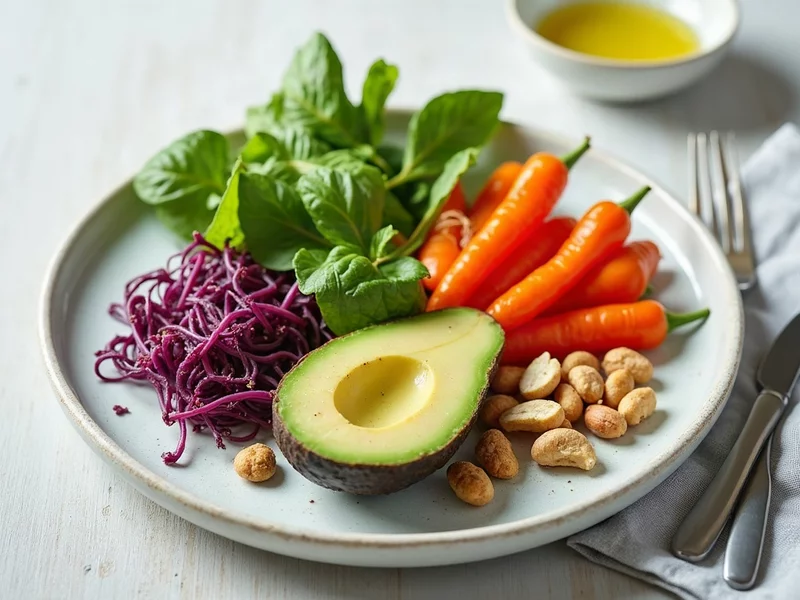
Are you ready to explore a breakthrough in nutrition that offers the benefits of fasting without the struggle of complete food deprivation? The Fasting Mimicking Diet (FMD) is not just another diet; it’s a scientifically-backed method that can transform your health journey. Discover how this innovative approach can optimize your metabolic health while still allowing you to enjoy food.
What You Will Learn
- The Fasting Mimicking Diet allows for a structured intake of food while simulating the effects of fasting.
- The diet emphasizes low protein, low carbohydrate, and healthy fats to promote beneficial hormonal changes.
- Key mechanisms of the FMD include optimized hormones, cellular regeneration through autophagy, and reduced inflammation.
- Valter Longo's research underpins the FMD, highlighting the benefits of short-term caloric restriction for improved health.
- Guidelines for refeeding after the FMD stress the importance of starting slowly and focusing on whole, nutrient-dense foods.
- Long-term strategies for maintaining health benefits include incorporating fasting cycles, emphasizing whole foods, and monitoring health.
- Practicing mindful eating after the FMD can deepen your connection with food and enhance your overall diet.
Key Mechanisms and Transition Flow of the Fasting Mimicking Diet
Explore the core metabolic changes induced by the FMD and the essential steps for a smooth return to regular eating, ensuring sustained health benefits.
Mechanisms Behind the FMD: Simulating Fasting
- • Hormonal changes: Insulin/Growth Hormone optimization.
- • Cellular regeneration: Promotes autophagy.
- • Reduced inflammation: Lower oxidative stress.
Refeeding Guidelines Post-FMD: Key Steps
- → Start Slowly: Soups, smoothies, cooked vegetables.
- → Nutrient-Dense: Whole foods, fruits, lean proteins.
- → Avoid Processed Foods: High-sugar, high-fat items.
- → Stay Hydrated: Drink plenty of water.
Long-Term Strategies: Sustaining Benefits
- ✓ Fasting Cycles: Intermittent or periodic FMDs.
- ✓ Whole Foods: Centered, minimally processed diet.
- ✓ Physical Activity: Consistent exercise.
- ✓ Monitor Health: Track weight, energy, and wellness.
Mindful Eating Practices: Post-FMD Enhancement
- ● Eat Slowly: Savor each bite, recognize fullness.
- ● Limit Distractions: Focus during meals.
- ● Listen to Body: Adjust portions to hunger/fullness.
- ● Appreciate Food: Reflect on nutritional value.
Understanding the Fasting Mimicking Diet: What It Is and How It Works
The Fasting Mimicking Diet (FMD) is an innovative dietary approach designed to deliver the benefits of fasting without the need for complete food abstinence. Unlike traditional fasting, the FMD allows for a structured intake of food that simulates the physiological effects of fasting. At Fasting Mechanics, we’re dedicated to breaking down complex nutritional science, so let’s explore what makes this diet so unique!
Essentially, the FMD provides a carefully formulated set of nutrients that encourages the body to enter a fasting-like state. This means you can enjoy the advantages of reduced caloric intake while still nourishing your body. Think of it as a guided path—where you can experience the benefits of fasting through a controlled, yet flexible, dietary plan!

Defining the Fasting Mimicking Diet: Simulated Fasting Explained
The concept behind the FMD is straightforward: it mimics the metabolic effects of fasting while allowing for limited caloric intake. This diet typically spans five days and emphasizes low protein, low carbohydrate, and healthy fats. By following this protocol, your body undergoes beneficial hormonal changes, promoting processes like autophagy and regeneration.
- Low protein intake to trigger fasting benefits
- Carefully balanced healthy fats for sustained energy
- Minimal carbohydrates to support metabolic flexibility
By understanding these foundational elements, you can appreciate how the FMD offers a unique blend of nourishment and metabolic enhancement, which is vital for achieving health goals.
Mechanisms Behind the Fasting Mimicking Diet: How It Mimics Fasting Effects
So, how does the Fasting Mimicking Diet achieve its remarkable effects? The magic lies in a combination of restricted caloric intake and specific nutritional composition. This deliberate restriction can lead to metabolic changes similar to those seen during extended fasting.
- Hormonal changes: Hormones such as insulin and growth hormone are optimized, enhancing fat burning and preserving muscle mass.
- Cellular regeneration: The FMD promotes autophagy, allowing your body to detoxify and rejuvenate at a cellular level.
- Reduced inflammation: By lowering oxidative stress and inflammation, the FMD can contribute to overall metabolic health.
These mechanisms underscore how the FMD can be a powerful tool for improving health and wellness, aligning perfectly with our mission at Fasting Mechanics to educate you on effective fasting practices!
The Role of Valter Longo in Developing the Fasting Mimicking Diet
Valter Longo, a prominent researcher in the field of aging and cell biology, is one of the leading minds behind the Fasting Mimicking Diet. His extensive research has provided the scientific backbone for understanding how fasting impacts health. Dr. Longo's work emphasizes that fasting can enhance longevity and metabolic health, and the FMD is a practical application of these principles.
At Fasting Mechanics, we align with Dr. Longo's vision of making fasting accessible to everyone. His studies demonstrate that even short-term caloric restriction can lead to profound health benefits, making the FMD a pivotal option for those looking to improve their well-being. For more on this, check out our insights on understanding fasting mimicking diets.
- Evidence-based research establishing fasting's health benefits
- Development of the FMD protocol to maximize fasting effects
- Focus on making fasting principles approachable for everyday individuals
Understanding Dr. Longo's contributions helps us appreciate the significance of the FMD in our health journeys, and encourages us to explore how it can fit into our lifestyle!
Pro Tip
To maximize the benefits of the Fasting Mimicking Diet, consider keeping a food journal during and after the diet. Tracking your meals, thoughts, and feelings can help you identify what foods work best for your body and maintain the positive effects of fasting. This mindful approach encourages reflection and may lead to healthier eating habits in the long run!
Making the Transition: From Fasting Mimicking Diet to Regular Eating
Completing the Fasting Mimicking Diet (FMD) is a significant achievement! But as you transition back to regular eating, it’s essential to do so thoughtfully. The key is to ease your body back into a balanced diet, allowing it to adapt while still reaping the benefits of your fasting experience. Let's explore how you can make this transition smoothly.

Guidelines for Refeeding After Completing the FMD
After a five-day FMD, your body will need careful refeeding to avoid overwhelming your digestive system. Here are some guidelines to follow:
- Start Slowly: Begin with small meals that are easy to digest, such as soups, smoothies, or lightly cooked vegetables. For more insights on this, you can refer to our guide on breaking a fast: food choices.
- Incorporate Nutrient-Dense Foods: Focus on whole foods rich in nutrients, like fruits, vegetables, and lean proteins.
- Avoid Processed Foods: Steer clear of high-sugar and high-fat processed foods as they can cause digestive discomfort.
- Stay Hydrated: Keep drinking plenty of water to support your body’s adaptation process.
Following these refeeding guidelines can help restore your body’s normal functions while maintaining the health benefits you've gained from the FMD.
Long-Term Strategies for Maintaining Health Benefits Post-Diet
Transitioning back to regular eating doesn’t mean the end of your healthy journey! To maintain the benefits gained during the FMD, consider these long-term strategies:
- Incorporate Fasting Cycles: Continue practicing intermittent fasting or periodic FMDs to sustain metabolic health and weight management.
- Emphasize Whole Foods: Create a diet centered around whole, minimally processed foods to support overall wellness.
- Regular Physical Activity: Engage in consistent exercise to enhance the metabolic benefits obtained from fasting.
- Monitor Your Health: Keep track of your weight, energy levels, and overall health to ensure you’re on the right path.
By integrating these strategies into your routine, you can enjoy lasting health improvements beyond the FMD.
Mindful Eating Practices: How to Enhance Your Diet After FMD
Mindful eating is a powerful practice that can enhance your diet after completing the FMD. It involves being present during meals and truly appreciating your food. Here are some tips to incorporate mindful eating into your routine:
- Eat Slowly: Take your time to chew and savor each bite, which can help you recognize fullness.
- Limit Distractions: Try to eat without distractions, like phones or televisions, to focus on your meal.
- Listen to Your Body: Pay attention to hunger and fullness cues, adjusting your portions accordingly.
- Appreciate Your Food: Be grateful for your meals, reflecting on the nutritional value and the effort that went into preparing them.
By practicing mindful eating, you’ll not only enhance your diet but also cultivate a deeper connection with your food and your health journey.
Frequently Asked Questions (FAQs) about the Fasting Mimicking Diet
Q: What is the Fasting Mimicking Diet (FMD)?
A: The FMD is a dietary approach that allows for a structured, limited intake of specific foods to simulate the physiological effects of fasting without complete food abstinence. It typically lasts five days and focuses on low protein, low carbohydrate, and healthy fats.
Q: How does the FMD work to mimic fasting?
A: The FMD works by restricting caloric intake and specific macronutrients (protein, carbohydrates) to trigger beneficial metabolic changes, such as optimized insulin and growth hormone levels, cellular regeneration through autophagy, and reduced inflammation, similar to those experienced during extended water-only fasts.
Q: Who developed the Fasting Mimicking Diet?
A: The FMD was developed by Valter Longo, a prominent researcher in aging and cell biology. His scientific research underpins the diet's effectiveness in promoting longevity and metabolic health through short-term caloric restriction.
Q: What are the refeeding guidelines after completing the FMD?
A: After the FMD, it's crucial to reintroduce food slowly. Start with easily digestible options like soups, smoothies, and cooked vegetables. Focus on nutrient-dense whole foods, fruits, and lean proteins, while avoiding processed, high-sugar, and high-fat items. Staying well-hydrated is also important.
Q: How can I maintain the health benefits of the FMD long-term?
A: To sustain the benefits, consider incorporating regular fasting cycles (like intermittent fasting or periodic FMDs), basing your diet on whole, minimally processed foods, engaging in consistent physical activity, and monitoring your overall health and well-being.
Q: What is mindful eating and how does it relate to the FMD?
A: Mindful eating involves being fully present during meals, savoring each bite, paying attention to hunger and fullness cues, and appreciating your food. Practicing mindful eating after the FMD can help you build a healthier relationship with food and reinforce the positive dietary changes initiated by the diet.
Recap of Key Points
Here is a quick recap of the important points discussed in the article:
- Fasting Mimicking Diet (FMD): A dietary approach that simulates fasting benefits while allowing for controlled food intake.
- Nutritional Composition: The FMD typically spans five days with low protein, low carbohydrate, and healthy fats to trigger beneficial metabolic changes.
- Health Benefits: Includes hormonal optimization, cellular regeneration through autophagy, and reduced inflammation for improved metabolic health.
- Refeeding Guidelines: Transition back to regular eating should be gradual, focusing on easily digestible, nutrient-dense foods while avoiding processed items.
- Long-Term Strategies: Incorporate intermittent fasting and emphasize whole foods to maintain health benefits gained from the FMD.
- Mindful Eating: Engage in mindful eating practices to enhance your diet and foster a deeper connection with your health journey.

Dr. Avery R. Lawson
Dr. Avery R. Lawson is an independent health researcher dedicated to making complex metabolic and nutrition science accessible. With a focus on the physiological effects of fasting, she interprets and communicates research findings to empower individuals in their health journeys. Through evidence-based insights, Dr. Lawson aims to demystify weight loss and promote sustainable wellness practices at Fasting Mechanics.
Popular Posts
Fasting Mimicking Diet Explained
![Fasting Mimicking Diet Explained]() Are you ready to explore a breakthrough in nutrition that offers the benefits of fasting without the
Are you ready to explore a breakthrough in nutrition that offers the benefits of fasting without the
 Are you ready to explore a breakthrough in nutrition that offers the benefits of fasting without the
Overcoming Fasting Plateaus in Fat Loss
![Overcoming Fasting Plateaus in Fat Loss]() As you embark on your weight loss journey, encountering setbacks can feel discouraging. But what if
As you embark on your weight loss journey, encountering setbacks can feel discouraging. But what if
 As you embark on your weight loss journey, encountering setbacks can feel discouraging. But what if
Fasting and Women's Hormonal Health
![Fasting and Women's Hormonal Health]() Are you aware of how fasting can uniquely influence women's hormonal health? Understanding the intri
Are you aware of how fasting can uniquely influence women's hormonal health? Understanding the intri
 Are you aware of how fasting can uniquely influence women's hormonal health? Understanding the intri
Understanding Extended Fasting Safely
![Understanding Extended Fasting Safely]() What if you could unlock the secrets of your metabolism with a simple but powerful practice? Extende
What if you could unlock the secrets of your metabolism with a simple but powerful practice? Extende
 What if you could unlock the secrets of your metabolism with a simple but powerful practice? Extende