Foods and Supplements Affecting Fasting
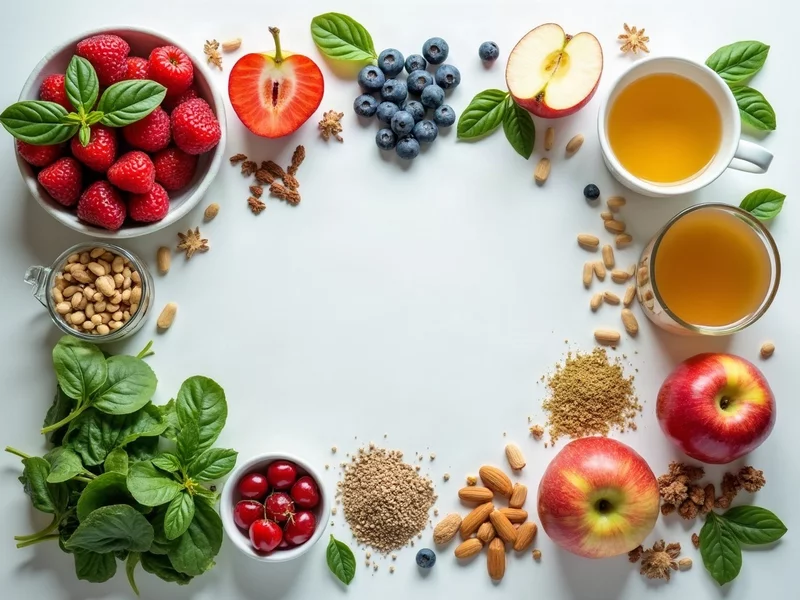
What if you could give your metabolism a reboot just by skipping a meal? Fasting isn't merely a weight-loss trend; it's an ancient practice with substantial health benefits that many are just beginning to explore. Dive into the world of fasting and discover how it can transform your health journey!
What You Will Learn
- Fasting is a powerful tool for metabolic health, capable of resetting and rejuvenating the body.
- Different fasting methods, such as the 16:8 method, cater to various lifestyles and health goals.
- Autophagy, a key benefit of fasting, promotes cellular repair and enhances metabolic function.
- Intermittent fasting can improve insulin sensitivity, aiding in effective weight management.
- Certain foods and supplements, like electrolytes and herbal teas, can enhance your fasting experience.
- Avoiding sugary drinks and protein powders during fasting is crucial for maximizing its benefits.
Fasting Benefits and Practices: A Visual Guide
Delve into the core aspects of fasting, from its physiological benefits to practical methods and essential nutritional considerations for an optimized journey. For a deeper understanding of how these practices can transform your metabolism, explore how fasting impacts metabolic flexibility.
Key Benefits of Fasting
- ✓Autophagy & Cellular Repair
- ✓Ketosis & Fat Loss
- ✓Enhanced Insulin Sensitivity
- ✓Improved Mental Clarity
Popular Fasting Methods
- ●16:8 Method: Fast 16h, Eat 8h
- ●5:2 Diet: Calorie restrict 2 days/week
- ●Eat-Stop-Eat: 24h fast 1-2 times/week
- ●Extended Fasting: 24h+ periods
Safe Fasting Aids
- ★Water & Herbal Teas (no sugar)
- ★Black Coffee (no additives)
- ★Electrolytes (sugar-free)
- ★Apple Cider Vinegar
Items to Avoid During Fasting
- ✘Sugary Drinks & Fruit Juices
- ✘Protein Powders (can break fast)
- ✘Maltodextrin (in some supplements)
- ✘Most Calorie-Containing Foods
Understanding Fasting: What It Is and Why It Matters
Fasting has become a buzzword in health and wellness circles, but what exactly does it mean? Simply put, fasting is the voluntary abstention from all food or specific food groups for a set period. It’s not just a way to lose weight; it's a powerful mechanism our bodies use to reset and rejuvenate. As an independent health researcher, I've seen firsthand how fasting isn’t just a trend—it's an ancient practice that holds significant benefits.
With various methods gaining popularity, like intermittent fasting and extended fasts, more individuals are discovering the potential of fasting in their health journeys. It’s fascinating to witness how health trends evolve and how people are increasingly turning towards methods backed by science rather than fleeting diet crazes.

Defining Fasting and Its Popularity in Health Trends
Fasting is not a one-size-fits-all approach. Many people find different styles of fasting resonate with their lifestyles and health goals. You might have heard about the 16:8 method of intermittent fasting, where you fast for 16 hours and eat within an 8-hour window. This method has gained traction not only for its simplicity but also for its adaptability. Other methods, such as alternate-day fasting or 24-hour fasts, are also worth exploring!
- Intermittent fasting: This method alternates between fasting and eating windows.
- Extended fasting: Typically involves fasting for 24 hours or more.
- Time-restricted eating: Focuses on the timing of meals rather than calorie restriction.
As more individuals embrace fasting as part of their routine, the conversation around its physiological effects has amplified. The understanding that fasting can dramatically influence metabolic health and hormonal balance is vital for anyone considering this practice.
Exploring the Benefits of Fasting: Autophagy, Ketosis, and More
So, why does fasting matter? One significant benefit is a process called autophagy, where the body cleans out damaged cells, promoting cellular repair and rejuvenation. This is particularly important for anyone looking to enhance their metabolic health. Fasting also encourages the body to enter a state of ketosis, where it burns fat for energy rather than carbohydrates, which can lead to effective weight management.
- Enhances insulin sensitivity: Fasting can improve how your body responds to insulin, which is crucial for metabolic health.
- Supports fat loss: By promoting ketosis, fasting helps your body utilize fat stores efficiently.
- Boosts mental clarity: Many people report enhanced focus during fasting periods.
I'm passionate about demystifying these concepts at Fasting Mechanics, providing research-backed insights that empower readers to make informed health choices. Understanding these benefits is essential for anyone interested in incorporating fasting into their lifestyle.
Intermittent Fasting: A Viable Approach to Health and Longevity
Among the various fasting methods, intermittent fasting stands out as a practical option for many. My research has shown that this approach is not only sustainable but also aligns with our natural eating patterns. By narrowing your eating window, you allow your body the necessary time to enter states like autophagy and ketosis. To learn more about how fasting impacts critical metabolic processes, consider reading about fasting's role in insulin sensitivity.
- 16:8 method: Fast for 16 hours, eat during an 8-hour window.
- 5:2 diet: Eat normally five days a week and restrict calorie intake on the other two days.
- Eat-Stop-Eat: Involves a full 24-hour fast once or twice a week.
Many individuals find success with intermittent fasting, not only for weight loss but also for its potential longevity benefits. With ongoing research shedding light on these advantages, it’s exciting to see how fasting can be integrated into our daily lives for improved health and wellness.
Pro Tip
For those new to fasting, consider starting with the 16:8 method. This approach allows you to enjoy your meals within an 8-hour window, making it easier to adjust without feeling deprived. Pair this with nutrient-dense foods during your eating hours to maximize the benefits of fasting!
Frequently Asked Questions About Fasting
Fasting is the voluntary abstention from all food or specific food groups for a set period. It's gaining popularity not just as a weight-loss trend, but as an ancient practice with significant health benefits, including metabolic reset and rejuvenation, backed by scientific research.
Key benefits include autophagy (cellular repair), ketosis (burning fat for energy), enhanced insulin sensitivity, improved mental clarity, and effective weight management.
Popular methods include the 16:8 method (fast for 16 hours, eat within an 8-hour window), the 5:2 diet (calorie restriction two days a week), Eat-Stop-Eat (24-hour fasts once or twice a week), and extended fasting (periods longer than 24 hours).
You can consume water, herbal teas (without sugar), black coffee (without additives), sugar-free electrolytes, and apple cider vinegar. These items help maintain hydration and support your fast.
Avoid sugary drinks, fruit juices, protein powders (as they can disrupt fasting benefits), maltodextrin (often found in supplements), and most calorie-containing foods to ensure optimal fasting adaptations.
Summarizing Key Insights on Fasting and Supplementation
As we delve deeper into the world of fasting, it's crucial to understand the intersection of nutrition and supplementation. This section aims to highlight the safe foods and supplements that can enhance your fasting experience while also detailing what to avoid for optimal adaptations. Are you ready to make informed choices about your fasting journey? Let’s explore!

Safe Foods and Supplements to Consider During Fasting
- Electrolytes: Essential for maintaining hydration levels.
- Water: Stay hydrated to support various bodily functions.
- Black Coffee: Known to boost metabolism and curb appetite.
- Herbal Teas: A flavorful way to stay hydrated without breaking your fast.
- Apple Cider Vinegar: May improve insulin sensitivity.
Including these safe options can help you sustain your fast effectively. As someone deeply passionate about the science of fasting, I recommend prioritizing these foods and supplements, as they align with our mission at Fasting Mechanics to empower individuals through research-driven insights.
Items to Avoid for Optimal Fasting Adaptations
- Sugary Drinks: These can lead to insulin spikes.
- Protein Powders: While beneficial in many contexts, they might disrupt fasting benefits.
- Maltodextrin: Often found in supplements, it can break your fast.
- Fruit Juice Concentrates: High in sugars that can interfere with fasting.
Avoiding these items is essential for optimizing the physiological responses associated with fasting. Understanding what disrupts your fast can make a significant difference in achieving your health goals.
Incorporating Resilience Foods and Functional Foods into Your Diet
- Leafy Greens: Loaded with nutrients, they support metabolic health.
- Avocados: Great source of healthy fats and fiber.
- Nuts and Seeds: Offer protein and healthy fats that can be beneficial when eating resumes.
- Fermented Foods: Aid in gut health, which is critical for overall wellness.
Integrating these resilience and functional foods can enhance your fasting experience by nourishing your body when you’re not fasting. As you embark on this journey, consider these options to support metabolic health, which is at the core of what we focus on at Fasting Mechanics.
Next Steps: Applying These Insights to Your Fasting Practice
With a clearer understanding of what to embrace and what to avoid, you can now take actionable steps towards refining your fasting practice. In this next section, we'll discuss how to develop a personalized fasting and supplement strategy.
Developing a Personalized Fasting and Supplement Strategy
Creating a tailored approach to fasting and supplementation is key. Start by assessing your goals: Are you looking to lose weight, improve metabolic health, or enhance longevity? Whatever your aim, aligning your food and supplement choices with these objectives will foster better results. For those interested in deeper insights into metabolic processes, understanding fasting and fatty acid oxidation can be particularly helpful.
Staying Informed: The Importance of Ongoing Research and Evidence
The world of fasting and nutrition is ever-evolving. Staying updated on the latest research is crucial for making informed decisions. Regularly check resources like Fasting Mechanics for articles that break down complex science into digestible insights you can apply to your health journey!
Recap of Key Points
Here is a quick recap of the important points discussed in the article:
- Fasting is a voluntary abstention from food that can reset and rejuvenate the body.
- Different methods of fasting, such as the 16:8 and 5:2 methods, cater to various lifestyles and health goals.
- Key benefits of fasting include enhanced insulin sensitivity, fat loss, and improved mental clarity.
- Incorporating safe foods and supplements like water, electrolytes, and herbal teas can enhance fasting experiences.
- Avoiding sugary drinks and protein powders is essential to maintain the benefits of fasting.
- Developing a personalized fasting strategy aligned with health goals is crucial for success.

Dr. Avery R. Lawson
Dr. Avery R. Lawson is an independent health researcher dedicated to making complex metabolic and nutrition science accessible. With a focus on the physiological effects of fasting, she interprets and communicates research findings to empower individuals in their health journeys. Through evidence-based insights, Dr. Lawson aims to demystify weight loss and promote sustainable wellness practices at Fasting Mechanics.
Popular Posts
Mastering Metabolic Flexibility Through Fasting
![Mastering Metabolic Flexibility Through Fasting]() What if the secret to optimizing your health lies in your body's ability to switch between burning f
What if the secret to optimizing your health lies in your body's ability to switch between burning f
 What if the secret to optimizing your health lies in your body's ability to switch between burning f
Tailoring Fasting to Your Metabolism
![Tailoring Fasting to Your Metabolism]() What if your approach to fasting could be as unique as your fingerprint? Personalized fasting method
What if your approach to fasting could be as unique as your fingerprint? Personalized fasting method
 What if your approach to fasting could be as unique as your fingerprint? Personalized fasting method
Post-Fasting Nutrient Timing Strategies
![Post-Fasting Nutrient Timing Strategies]() Have you ever considered how the timing of your meals might influence your metabolic health? The fas
Have you ever considered how the timing of your meals might influence your metabolic health? The fas
 Have you ever considered how the timing of your meals might influence your metabolic health? The fas
Fasting Formats for Your Goals
![Fasting Formats for Your Goals]() What if your eating schedule could unlock new levels of health and wellness? Understanding various f
What if your eating schedule could unlock new levels of health and wellness? Understanding various f
 What if your eating schedule could unlock new levels of health and wellness? Understanding various f