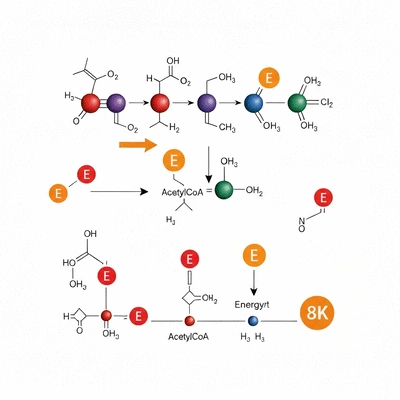
Key Signaling Pathways
- PPAR: Regulates gene expression for fatty acid oxidation.
- AMPK: Energy sensor; promotes oxidation, inhibits fat storage.
- SIRT1: Enhances mitochondrial function & fatty acid metabolism.
Fasting is not merely a dietary choice; it's a transformative approach to optimizing metabolic health. With profound effects on how our bodies utilize energy, understanding the nuances of fasting can lead to better health outcomes. Are you curious about how fasting can reshape your energy pathways?
Delve into how fasting activates key metabolic pathways, driving enhanced fat burning and overall metabolic health. For a deeper understanding of how your body switches fuel sources, explore understanding fasting and fat burning.
Fasting isn't just about skipping meals; it plays a central role in how our body processes energy. One critical aspect of this is the fatty acid oxidation pathways. These pathways are biochemical processes through which our bodies convert fatty acids into energy. Essentially, they help us break down fat stores for fuel, especially when carbohydrates are limited. Understanding these pathways is vital for anyone interested in metabolic health and effective weight loss strategies.
In the metabolic landscape, fatty acid oxidation is crucial for maintaining energy balance, especially during fasting periods. When we fast, our insulin levels drop, triggering the release of fatty acids from our adipose (fat) tissue, which are then transported to the mitochondria—our cells' powerhouses. Here, they undergo oxidation, producing energy in the form of ATP. This process not only fuels our body but also enhances our metabolic flexibility—the ability to switch between fuel sources. To learn more about this crucial adaptability, read our article on understanding metabolic flexibility and fasting.
Fatty acid oxidation pathways consist of a series of enzymatic reactions that facilitate the breakdown of fatty acids. This process primarily occurs in the mitochondria, where fatty acids undergo β-oxidation, ultimately resulting in the production of acetyl-CoA. Acetyl-CoA can then enter the citric acid cycle, leading to further energy production.
Through these pathways, our bodies can efficiently utilize stored fat, especially during periods of fasting. This is crucial for maintaining energy levels and supporting various cellular functions!
Fasting significantly influences metabolic processes, notably enhancing fatty acid oxidation pathways. When we refrain from eating, our body shifts from using glucose as the primary energy source to utilizing fat stores. This shift is not only advantageous for fat loss but also promotes hormonal balance and improves overall metabolic health.
These metabolic benefits highlight why fasting isn’t just a diet trend; it’s a profound strategy for enhancing overall health and well-being. By understanding how fasting activates these pathways, we can make informed decisions in our health journeys.
The interplay of key signaling pathways is vital for fatty acid metabolism during fasting. Pathways such as PPAR (Peroxisome Proliferator-Activated Receptor), AMPK (AMP-activated protein kinase), and SIRT1 (Sirtuin 1) play essential roles in regulating how our body processes fatty acids.
These signaling pathways work in harmony to optimize energy production, helping our bodies become more efficient at utilizing fat stores during fasting. Understanding these mechanisms is a key aspect of Fasting Mechanics—we aim to empower you with the knowledge needed to navigate your health journey effectively!
Hormonal regulation is crucial for fatty acid oxidation, particularly the balance between glucagon and insulin during fasting. Glucagon, released when blood sugar levels are low, stimulates the breakdown of fat stores and promotes fatty acid oxidation. In contrast, insulin, which increases after eating, encourages the storage of fat.
By understanding how these hormones interact during fasting, we can appreciate the biochemical dance that fuels our bodies and enhances our metabolic health.
Fasting has a profound impact on fatty acid oxidation in adipose tissues, particularly white adipose tissue, where most of our body fat is stored. During fasting, there’s a significant increase in the mobilization of fatty acids from these stores, leading to a reduction in visceral fat—the type of fat associated with various health risks.
This connection between fasting and fat oxidation emphasizes the importance of adopting fasting as a strategy not just for weight loss, but also for enhancing overall metabolic health. At Fasting Mechanics, we are dedicated to providing you with the knowledge needed to harness these powerful processes for your well-being.
Have you tried incorporating fasting into your routine? We’d love to hear your thoughts!
Fasting is a powerful catalyst for fatty acid oxidation, unlocking various metabolic pathways that can significantly enhance our health. Through the activation of these pathways, our bodies can effectively switch from utilizing glucose to burning fat for energy. This not only aids in weight loss but also promotes improved metabolic health and hormonal balance.
Some key benefits of fatty acid oxidation activated by fasting include:
These benefits highlight why many are turning to fasting as a practical approach to enhance their overall health. As I often share in my research at Fasting Mechanics, understanding how our bodies react to fasting can empower individuals to make informed health choices.
Fatty acid oxidation is a biochemical process where the body breaks down fatty acids into energy (ATP), primarily occurring in the mitochondria. This process is crucial for utilizing stored fat as fuel, especially during periods of fasting or when carbohydrate intake is limited.
During fasting, insulin levels drop, which signals the body to release fatty acids from adipose tissue. These fatty acids are then transported to the mitochondria where they undergo β-oxidation, leading to energy production. Key signaling pathways like PPAR, AMPK, and SIRT1 are also activated, promoting fat metabolism.
Glucagon and insulin are key hormones. Glucagon, released during low blood sugar, stimulates fat breakdown and oxidation. Insulin, in contrast, inhibits fat oxidation and promotes fat storage. Fasting helps optimize the balance between these hormones to favor fat burning.
Benefits include enhanced weight loss (by increasing fat utilization), improved insulin sensitivity (better blood sugar regulation), increased energy levels (as the body adapts to fat for fuel), and overall support for metabolic health, reducing the risk of metabolic disorders.
Yes, fasting can lead to a significant reduction in visceral fat, which is the type of fat associated with various health risks. This occurs due to increased mobilization of fatty acids from adipose tissues during fasting.
Are you ready to dive deeper into the world of fasting? Incorporating intermittent fasting into your routine can be a simple yet effective strategy for enhancing your metabolic health and maintaining a healthy weight. Many of my readers have reported transformative experiences, finding that this approach not only supports weight loss but also fosters a better relationship with food. Discover more about the benefits of specific fasting protocols like understanding the 16-hour fasting protocol to kickstart your journey.
Here are some practical steps to get started with intermittent fasting:
Incorporating fasting can be a game-changer for your health journey. So, why not explore this fascinating topic further? At Fasting Mechanics, I am committed to providing you with the evidence-based insights needed to help you succeed in your fasting journey! Let's embrace fasting together and unlock the doors to improved health and well-being. For those interested in deeper metabolic improvements, understanding fasting's role in insulin sensitivity is also highly recommended.
Here is a quick recap of the important points discussed in the article:
Dr. Avery R. Lawson is an independent health researcher dedicated to making complex metabolic and nutrition science accessible. With a focus on the physiological effects of fasting, she interprets and communicates research findings to empower individuals in their health journeys. Through evidence-based insights, Dr. Lawson aims to demystify weight loss and promote sustainable wellness practices at Fasting Mechanics.