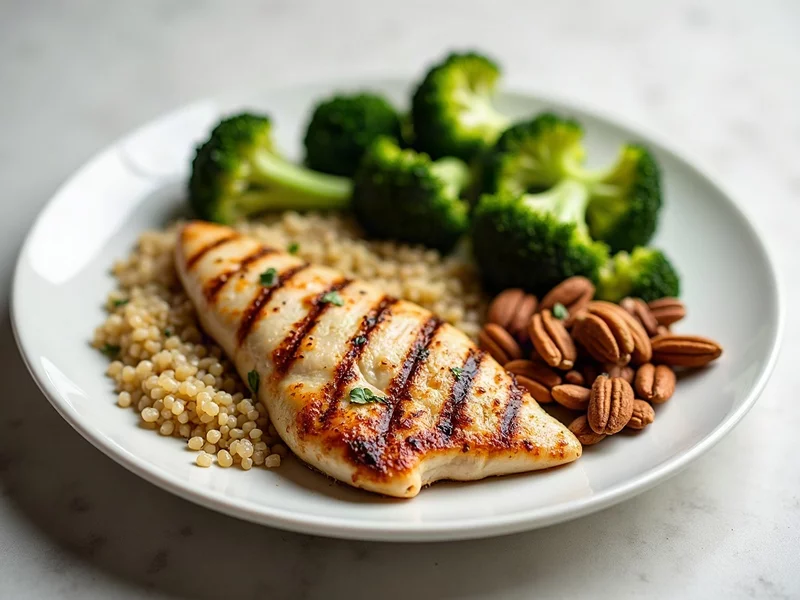
Fasting Day Focus: Muscle Preservation
Calorie Intake: Limited (approx. 500 calories).
Protein: Crucial to prevent muscle catabolism.
Hydration: Essential to curb hunger and support metabolism.
Avoid: Processed foods, high sugar, high fat.
As you embark on your journey of alternate-day fasting, understanding how to preserve muscle mass is crucial. Did you know that while fasting can lead to fat loss, it can also challenge your muscle health if not managed properly? Here are some key insights to help you navigate this process effectively.
Alternate-day fasting can significantly impact body composition and metabolic health. Successful implementation hinges on understanding key processes and strategic nutritional choices during both fasting and feeding days to preserve muscle mass while promoting fat loss. Below, we highlight the core elements for success, including effective alternate-day fasting effects.
Calorie Intake: Limited (approx. 500 calories).
Protein: Crucial to prevent muscle catabolism.
Hydration: Essential to curb hunger and support metabolism.
Avoid: Processed foods, high sugar, high fat.
Prioritize: High-quality protein (20-30g post-fast).
Carbohydrates: Replenish glycogen stores (sweet potatoes, brown rice).
Antioxidants: Reduce inflammation (berries, leafy greens).
Goal: Maximize muscle recovery & growth.
Fasting naturally improves insulin sensitivity, directing nutrients to muscle recovery and growth, preventing fat storage, and boosting metabolic rate.
Alternate-day fasting, often abbreviated as ADF, is a dietary approach that alternates between periods of eating and fasting. This method not only supports weight loss but also has significant implications for muscle health. During fasting days, it's vital to understand how your body reacts and what you can do to maintain your muscle mass. So, what exactly happens to your muscles during these fasting periods?
Research indicates that while fasting can promote fat loss, it can pose challenges for muscle preservation if not approached correctly. Fasting itself triggers various hormonal responses that can affect muscle protein synthesis. Understanding these effects helps you strategize effectively, ensuring that you not only lose fat but also retain muscle.
At its core, alternate-day fasting involves cycling between a fasting day and a feeding day. On fasting days, individuals typically consume very few calories—often around 500 calories—while fully resuming normal eating on non-fasting days. This approach can lead to improved body composition, but it's essential to monitor muscle health during this process. For more detailed information, consider reading about understanding alternate-day fasting effects.
Therefore, understanding the relationship between fasting and muscle health is crucial. It's not just about when you eat, but also what you consume that can dictate your success in muscle retention while fasting.
As I often emphasize at Fasting Mechanics, preserving muscle mass is vital not only for aesthetics but also for overall metabolic health. Muscle is metabolically active tissue, meaning the more muscle you have, the more energy your body burns at rest. Thus, retaining muscle during fasting can help maintain or even enhance metabolic rate.
By focusing on muscle preservation while engaging in alternate-day fasting, you set the foundation for a successful and sustainable weight loss journey. It’s about creating a healthy balance between fat loss and muscle retention, making your fasting efforts more effective.
Insulin sensitivity plays a critical role in how your body utilizes nutrients, especially during fasting. Fasting can improve insulin sensitivity, allowing your body to use carbohydrates more effectively when you eat. So how does this relate to muscle preservation? Higher insulin sensitivity ensures that your body directs nutrients towards muscle recovery and growth, rather than allowing them to be stored as fat.
When you fast, insulin levels drop, leading to increased fat oxidation and a favorable environment for muscle preservation. However, it's essential to ensure that your feeding days include adequate protein and nutrients to maximize these benefits.
Understanding how insulin sensitivity influences muscle preservation can help you make better food choices on your feeding days, ensuring that your body effectively retains muscle during your fasting journey.
What challenges have you faced in maintaining muscle mass while fasting? Share your experiences and tips below:
Here are some common questions regarding alternate-day fasting and its impact on muscle health:
Now that we've explored the science behind muscle preservation during alternate-day fasting, it’s time to take action! Having a solid plan for your meals can make all the difference. Let’s dive into some high-protein meal templates to keep your muscles fueled and your fasting days productive.
When it comes to feeding days, prioritizing protein is key for muscle retention. Below are some sample meal templates that maximize protein while providing a balance of nutrients to support your overall health:
These templates not only ensure you meet your protein needs but also incorporate a variety of nutrients to support your metabolic health. Remember, the meals should be enjoyable and satisfying, making it easier to stick to your plan!
Fasting days require careful thought regarding what you consume during your eating window. Here are some practical tips to help you navigate these days successfully:
By adopting these strategies, you can enhance your fasting experience and ensure that you're fueling your body effectively. It's all about finding the right balance while sticking to your fasting schedule! For more insights on optimal nutrient intake, explore our guide on protein and nutrient goals while fasting.
Don’t overlook the importance of recovery nutrition after fasting. This phase is crucial for muscle repair and growth. Here are some tips to help you recover effectively:
Implementing these recovery strategies not only supports muscle preservation but also enhances your overall performance. Remember, your body is your greatest tool, and treating it right will yield amazing results! For advice on how to break your fast effectively, check out our article on breaking a fast: food choices.
Here is a quick recap of the important points discussed in the article:
Dr. Avery R. Lawson is an independent health researcher dedicated to making complex metabolic and nutrition science accessible. With a focus on the physiological effects of fasting, she interprets and communicates research findings to empower individuals in their health journeys. Through evidence-based insights, Dr. Lawson aims to demystify weight loss and promote sustainable wellness practices at Fasting Mechanics.