Phase 1: Initial ResponseEarly Protein Loss
Body initially breaks down muscle protein for energy as it adapts to fasting.
What if you could harness the power of fasting to boost your metabolism while preserving muscle mass? Discover the essential insights into this fascinating process that can enhance your health journey.
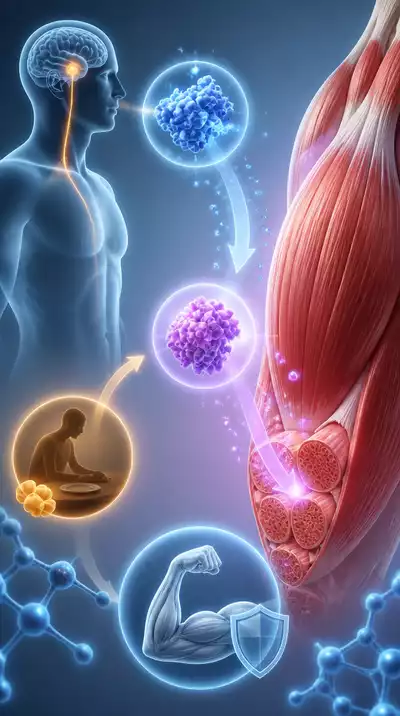
This visual outlines the key physiological adaptations and mechanisms that enable muscle preservation during fasting, focusing on the body's shift from initial protein breakdown to fat utilization and hormonal support. For a deeper dive into how your body manages energy stores, explore understanding fasting and fat burning.
Body initially breaks down muscle protein for energy as it adapts to fasting.
Body adapts to use stored fat (free fatty acids) as primary fuel, sparing muscle.
Ketones provide alternative energy, significantly reducing the need to break down muscle protein.
Increased growth hormone & IGF-1 promote muscle protein synthesis and reduce degradation.
Fasting can be a powerful tool for weight loss and metabolic health, but one question I frequently encounter is: What happens to muscle during fasting? Understanding the dynamics of muscle preservation during fasting is essential for anyone looking to maintain or increase muscle mass while reaping the benefits of this practice. Let’s dive into the details!
In the beginning stages of fasting, the body experiences complex metabolic adjustments. Initially, there might be a concern about muscle loss as the body shifts from using glucose as its primary energy source to utilizing stored fat. However, with the right approach, it’s possible to preserve muscle effectively.
When we fast, our body undergoes various physiological changes, particularly regarding muscle tissue. Muscle loss vs. preservation is a critical aspect of this transition. In the early hours of fasting, your body may begin to break down muscle protein for energy. Yet, this is a temporary phase as your body adapts to fasting. For more details on the body's adaptive responses, consider hormones, fasting, and weight loss.
This initial response is crucial for understanding how to navigate fasting without compromising muscle health. As someone invested in the science of fasting, I emphasize that the transition your body makes is key to achieving both weight loss and muscle preservation.
During the initial stages of fasting, your body will experience some degree of muscle protein breakdown. This is a normal response as your body tries to maintain energy levels. However, it's important to note that as fasting continues, your body begins to adapt, prioritizing fat as the primary fuel source—allowing for muscle preservation.
Strength training or resistance exercises during fasting can significantly influence this process. They encourage muscle retention and even growth while your body adapts to fasting.
As you fast for an extended period, your body undergoes a physiological adaptation that promotes protein sparing. Initially, you may lose some protein, but soon after, your body becomes adept at using fat for energy, which leads to muscle preservation.
Understanding these adaptations can be empowering. By gradually integrating fasting into your routine and focusing on quality nutrition, you can harness the benefits of fasting while minimizing muscle loss.
Now that we’ve established the initial responses to fasting, let’s explore the key mechanisms of protein sparing. These biological processes are essential for understanding how to maintain muscle during fasting effectively.
These mechanisms work together to ensure that you can maintain your muscle mass even as you engage in fasting. Each plays a vital role in turning your body into a more efficient fat-burning machine.
Ketones are fascinating compounds produced when your body shifts into a state of ketosis during fasting. They not only provide energy but also play a role in preserving muscle protein. This mechanism makes fasting an attractive option for those looking to lose fat without sacrificing muscle. Imagine your body effortlessly tapping into fat stores while keeping your muscles intact!
As I share insights through Fasting Mechanics, I find that many people are surprised by the positive impact of ketones. They help to maintain energy levels and enhance mental clarity, which can improve your overall fasting experience.
Free fatty acids are another critical player in muscle preservation during fasting. As your body uses fat for energy, it reduces the reliance on muscle protein. This shift is vital for helping to maintain lean mass while still benefiting from the effects of fasting. To learn more about how your body utilizes fat for energy during fasting, see our article on fasting and fatty acid oxidation.
Reinforcing the importance of understanding these processes can empower you in your fasting journey. By focusing on how your body operates during fasting, you’re better equipped to navigate the challenges and optimize your results.
During fasting, there is a notable increase in growth hormone and IGF-1 levels, both of which are pivotal in promoting muscle preservation. These hormones play a role in enhancing protein synthesis and reducing the degradation of muscle tissue.
Understanding the significance of these hormonal changes can provide you with the confidence to pursue fasting as a method for weight management and muscle retention. It’s all about working with your body’s natural rhythms!
Muscle protein synthesis and catabolism are two critical processes occurring during fasting. As you fast, the balance between these processes can shift. Early on, catabolism may rise, but with the right approach, synthesis can increase, promoting muscle preservation.
As I guide others through their fasting journeys, I emphasize the importance of being aware of these dynamics. They can help you make informed decisions about your fasting approach, ensuring you preserve muscle while achieving your health goals.
Research indicates that during fasting, your body can increase growth hormone levels by up to 5 times. This hormonal boost not only aids in fat loss but also plays a crucial role in preserving muscle mass. By understanding these dynamics, you can leverage fasting to effectively achieve your health goals.
No, not necessarily. While there can be initial muscle protein breakdown in the early stages of fasting, the body adapts to prioritize fat utilization and hormonal changes promote muscle preservation with the right approach and duration.
Ketones serve as an alternative energy source for the body, reducing the need to break down muscle protein for fuel. This allows the body to tap into fat stores while sparing lean mass.
During fasting, levels of growth hormone and IGF-1 increase. These hormones are crucial for promoting muscle protein synthesis and reducing muscle tissue degradation, thus supporting muscle preservation.
Yes, incorporating strength training or resistance exercises during your feeding windows can significantly influence muscle retention and even growth while your body adapts to fasting periods.
Proper hydration is vital for muscle recovery and overall health. Dehydration can negatively impact muscle performance and recovery, making it crucial to maintain adequate fluid intake even while fasting.
As we wrap up our exploration of muscle preservation during fasting, it's essential to highlight the intricate balance between muscle loss and preservation. When fasting, the body undergoes significant changes, but these adjustments don’t have to lead to muscle degradation. Instead, with the right approach, you can effectively maintain your lean mass while reaping the benefits of fasting.
Understanding these mechanisms can offer you a clearer picture of how to optimize your fasting practices. Notably, hormonal shifts play a pivotal role in this process. As we discussed earlier, hormones like growth hormone and insulin-like growth factor 1 (IGF-1) can significantly influence muscle health. Combining these hormonal benefits with a thoughtful nutrition strategy is key to achieving your health goals.
Let’s look at some critical takeaways regarding fasting and muscle health:
Each of these points highlights the importance of a comprehensive approach to fasting. Ensuring that you're not only fasting correctly but also focusing on nutrition will empower you in your health journey!
The balance between muscle loss and preservation is largely influenced by how your body adapts to fasting. Initially, muscle protein may break down, but this can shift to muscle sparing as the body becomes more efficient in utilizing fat for energy. This adaptation is part of why incorporating fasting into your routine can be a powerful tool for enhancing metabolic health.
As mentioned, hormonal shifts are critical in this equation. During fasting, hormonal levels change in response to the absence of food intake, promoting fat oxidation while sparing muscle. Pairing these hormonal benefits with nutritional strategies, such as prioritizing proteins in your feeding periods, can lead to optimal outcomes for muscle health.
Hydration should not be underestimated! It plays a significant role in muscle recovery. During fasting, many overlook their fluid intake, yet dehydration can negatively impact muscle performance and recovery. Maintaining proper hydration levels can help you feel better and perform at your best, even while fasting.
If you’re intrigued by fasting and want to incorporate it into your lifestyle while prioritizing muscle preservation, I’ve got some practical tips for you!
These steps can help you set a solid foundation for a sustainable fasting journey. Remember, the goal is to promote overall well-being while maintaining your metabolic health.
Finally, I encourage you to consult with professionals, whether it’s a nutritionist or a healthcare provider, to tailor your fasting plan to your individual needs. Everyone’s body responds differently, and personalized advice can make a substantial difference in your success!
Embrace the journey of fasting with informed decisions, and you'll find the balance between health and wellness that works for you. Happy fasting!
Here is a quick recap of the important points discussed in the article:
Dr. Avery R. Lawson is an independent health researcher dedicated to making complex metabolic and nutrition science accessible. With a focus on the physiological effects of fasting, she interprets and communicates research findings to empower individuals in their health journeys. Through evidence-based insights, Dr. Lawson aims to demystify weight loss and promote sustainable wellness practices at Fasting Mechanics.