TSH (Thyroid Stimulating Hormone)
Intermittent Fasting: Generally stable, slight transient decrease.
Prolonged Fasting: May initially decrease.
Have you ever considered how fasting might influence your thyroid health? This multifaceted relationship can reveal surprising insights about your body's hormonal balance and metabolism. Understanding the nuances of fasting and its effects on thyroid function is crucial for anyone looking to enhance their wellness journey.
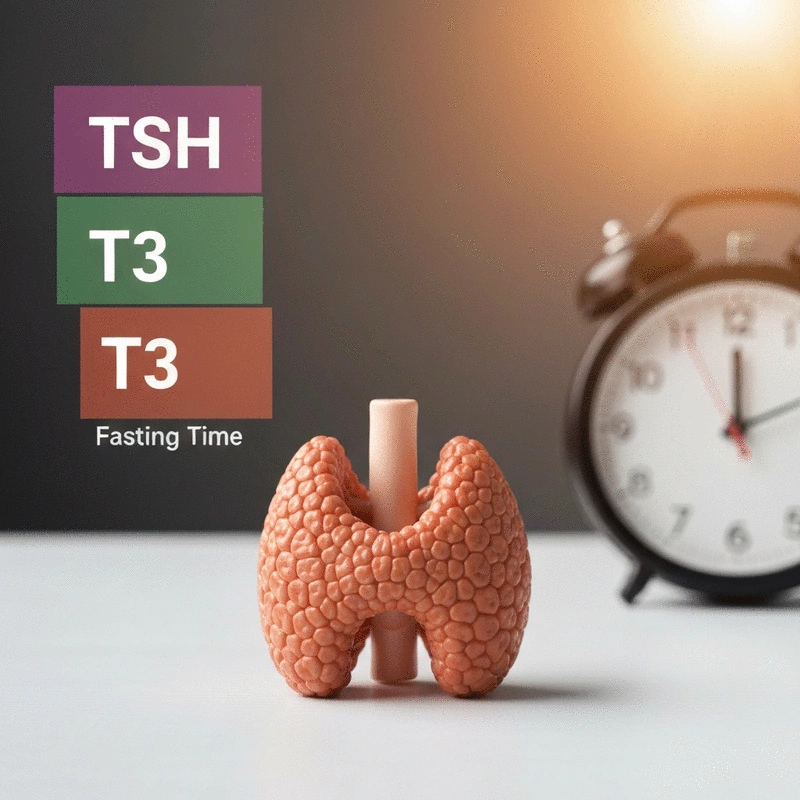
This visual summarizes the key changes in TSH, T3, T4, and Metabolic Rate during different fasting approaches. For a deeper dive into how fasting interacts with your body's systems, explore how hormones, fasting, and weight loss are interconnected.
Intermittent Fasting: Generally stable, slight transient decrease.
Prolonged Fasting: May initially decrease.
Intermittent Fasting: Transient decreases, stabilizes with refeeding.
Prolonged Fasting: Significant reductions.
Intermittent Fasting: Less impact, generally sustained.
Prolonged Fasting: Potential slowdown to conserve energy.
Fasting is more than just a tool for weight loss; it also plays a significant role in our hormonal health. One crucial aspect to consider is the relationship between fasting and thyroid function. The thyroid gland produces hormones that are vital for regulating metabolism, energy levels, and overall health. Understanding how fasting influences these hormones can provide valuable insights into your health journey.
In this section, we will explore how fasting affects thyroid-stimulating hormone (TSH), triiodothyronine (T3), and metabolic rates. Let’s break it down in a way that makes sense for everyone, regardless of their background in nutrition science!
During fasting, our body undergoes significant changes in hormone levels. Here’s a quick overview of what happens:
Understanding these shifts is essential for anyone considering fasting, especially if you have thyroid concerns. The relationship between fasting and these hormones can be complex, but we’re here to simplify it!
The primary hormones produced by the thyroid are T3, T4 (thyroxine), and reverse T3 (rT3). T3 is the active form that helps regulate metabolism, while T4 is a precursor that converts to T3 in the body. rT3 acts as a sort of brake on metabolism, slowing it down when the body is under stress, including during fasting.
When fasting, the decrease in T3 can lead to reduced energy expenditure, making it crucial to listen to your body. As someone passionate about health research, I emphasize that understanding these hormones is vital for your overall well-being. For more on how your body adapts to periods without food, consider understanding metabolic flexibility and fasting.
Fasting triggers a cascade of hormonal changes that can impact your thyroid function. These include:
These hormonal shifts can affect not just your metabolism but also how you feel overall. It's fascinating how interconnected our body systems are, isn’t it?
Leptin and ghrelin are often referred to as the "hunger hormones." Leptin signals fullness, while ghrelin increases appetite. During fasting, these hormones experience fluctuations:
Understanding how these hormones operate during fasting can help you manage your appetite effectively. This awareness is key to making informed health choices, especially in a fasting regimen.
While both intermittent and prolonged fasting have their benefits, they affect the thyroid differently. Let’s explore these distinctions so you can choose what might work best for you.
It's essential to consider these differences when planning your fasting approach. Always remember: what works for one person might not be right for another!
Intermittent fasting is often praised for its flexibility and sustainability. Research suggests that while T3 levels may decline during fasting, it typically stabilizes once you resume eating wholesome foods. This makes intermittent fasting a feasible option for many, especially those concerned about thyroid health.
The key takeaway? Balance is essential! By listening to your body and adjusting your fasting protocol, you can promote a healthy thyroid function.
Prolonged fasting, on the other hand, can lead to more drastic reductions in T3 and potentially lower your metabolic rate. This drastic change is the body’s way of conserving energy during extended periods without food. The effects can be substantial if not approached with caution.
Make sure to weigh the benefits against any potential impacts on your metabolic health!
Caloric restriction, often seen in various diets, can also influence thyroid function. Here’s what you need to know:
As I often remind my readers at Fasting Mechanics, understanding the nuances of caloric intake and fasting is vital for maintaining hormonal balance. For insights into managing hunger and satiety, delve into fasting and hunger hormones explained.
In the next sections, we’ll dive into common myths surrounding fasting and thyroid health, ensuring you have the most accurate information on your health journey!
Did you know? Incorporating a balanced diet rich in iodine, selenium, and zinc can significantly enhance your thyroid function while practicing fasting? These nutrients are crucial for hormone production and metabolism. Consider adding foods like fish, nuts, and leafy greens to your meals to support your thyroid health!
As we wrap up our exploration of fasting and thyroid function, it’s essential to recognize the intricate relationship between these two elements. Understanding how fasting influences hormonal health can empower you in your health journey. Remember, it's not just about fasting; it's about how you approach it, the methods you choose, and your unique physiological makeup.
Throughout this article, we've delved into how thyroid hormones respond to different fasting regimens. By being aware of these hormonal shifts, you can make informed choices that support both your fasting goals and your thyroid health.
These key points highlight that while fasting can be a beneficial practice for many, it’s vital to approach it with caution, especially regarding thyroid health. Tailoring your fasting methods to fit your specific needs will help maintain a healthy hormonal balance.
Now more than ever, I encourage you to consult with healthcare professionals for tailored advice regarding fasting and thyroid management. Each individual’s body responds differently to fasting, and having a knowledgeable partner can lead to more effective and safer outcomes.
Looking for more resources? Dive deeper into the fascinating interplay between thyroid health and nutrition. Understanding the nutrients your body needs can make all the difference! For further reading on related topics, you might find our article on thyroid and metabolism during fasting particularly insightful.
By ensuring you get adequate levels of these nutrients, you can further support your thyroid health while embracing fasting as a part of your lifestyle. At Fasting Mechanics, we’re committed to providing you with the knowledge and resources you need to navigate your health journey confidently!
Here is a quick recap of the important points discussed in the article:
Dr. Avery R. Lawson is an independent health researcher dedicated to making complex metabolic and nutrition science accessible. With a focus on the physiological effects of fasting, she interprets and communicates research findings to empower individuals in their health journeys. Through evidence-based insights, Dr. Lawson aims to demystify weight loss and promote sustainable wellness practices at Fasting Mechanics.