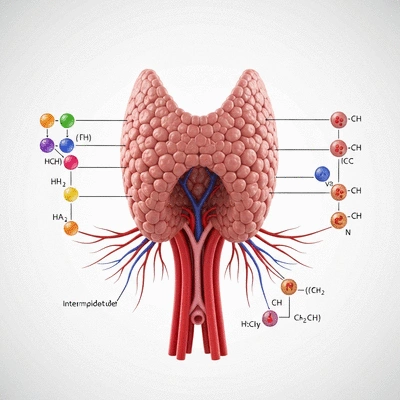
Have you ever wondered how your thyroid affects your metabolism during fasting? The intricate relationship between thyroid hormones and metabolic health can significantly influence your energy levels and overall wellness. Understanding these dynamics is crucial for anyone considering fasting as part of their health journey.
What You Will Learn
Thyroid hormones T3, T4, and TSH play critical roles in regulating metabolism and energy levels, especially during fasting.
Fasting can lead to temporary suppression of T3 levels, affecting metabolic rate and energy conservation.
Women may experience unique hormonal responses to fasting due to reproductive health factors, influencing thyroid sensitivity.
Incorporating nutrient-dense foods and essential micronutrients like iodine, selenium, and zinc is vital for supporting thyroid health during fasting.
Fasting and Thyroid Hormone Dynamics: A Gender-Specific Overview
This comparison illustrates the general differences in thyroid hormone responses to fasting between men and women, alongside key influencing factors and nutritional support. For a deeper dive into how fasting impacts your body's energy systems, consider understanding autophagy in simple terms.
Thyroid Hormones & Basal Metabolic Rate (BMR)
Impact on energy burning at rest
T3:
Boosts calorie burning & fat loss.
T4:
Regulates metabolic processes.
TSH:
Signals T3/T4 release.
Fasting Influence on T3 Levels
Mechanism:
Body conserves energy during ketosis, leading to temporary T3 suppression.
Duration:
Typically temporary; T3 levels rebound after resuming eating.
Gender-Specific Fasting Responses
Men:
Faster fat loss, improved insulin sensitivity.
Women:
May experience hormonal disruptions with extreme/prolonged fasting due to reproductive health sensitivity.
Key Micronutrients for Thyroid Health
Iodine: Essential for hormone synthesis.
Selenium: Converts T4 to active T3.
Zinc: Supports overall thyroid function.
Additional Micronutrients for Women
Vitamin D: Supports immunity & thyroid.
Iron: Essential for hormone production.
B Vitamins: Role in energy & hormone synthesis.
Understanding Thyroid Function and Metabolism During Fasting
When it comes to understanding the intricacies of our body, few systems are as fascinating as the thyroid and its role in metabolism. As someone dedicated to making metabolic science accessible, I find it essential to highlight how thyroid hormones play a vital role in our energy levels and overall health, especially during fasting. Let’s dive into what these hormones are and how they influence our metabolic processes.
What Are Thyroid Hormones and Their Role in Metabolism?
The thyroid gland produces several hormones, with the most notable being T3 (triiodothyronine) and T4 (thyroxine). These hormones are crucial for regulating metabolism, which is how our body converts food into energy. Thyroid-stimulating hormone (TSH), produced by the pituitary gland, controls the release of T3 and T4. Understanding these hormones is key to comprehending how fasting impacts our energy levels.
Defining T3, T4, and TSH: How They Impact Energy Levels
T3 is the more active form of thyroid hormone, while T4 serves primarily as a precursor that converts into T3 when needed. Both work together to regulate metabolism, influencing everything from how quickly we burn calories to our mood and energy levels. When fasting, these hormones can be significantly affected, leading to various outcomes for metabolic health.
The Connection Between Hormones and Metabolic Rate
The level of T3 and T4 directly impacts our basal metabolic rate (BMR), which is the number of calories we burn at rest. A higher BMR typically means more calories burned, which can be beneficial for weight loss. However, during fasting, changes in these hormones can lead to a temporary decrease in metabolic rate, as the body adjusts to a state of energy conservation.
T3: Boosts calorie burning and fat loss.
T4: Regulates metabolic processes and energy levels.
TSH: Signals the thyroid to release T3 and T4 based on the body's needs.
As we explore the connection between fasting and thyroid function, it’s essential to keep in mind that the body is always seeking balance. Understanding this relationship helps us make informed decisions about our fasting practices to ensure we support our metabolism effectively.
How Fasting Influences Thyroid Hormone Levels
Fasting is more than just a dietary choice; it can trigger complex hormonal changes. Research has shown that while fasting, there might be a suppression of T3 levels, which is crucial to understand if you're considering fasting as a part of your health journey. For more insights into how fasting affects metabolic processes, explore fasting's role in insulin sensitivity.
The Mechanism of T3 Suppression During Fasting
When we fast, our bodies enter a state of ketosis where fat becomes the primary energy source. This shift can lead to a drop in T3 levels as the body attempts to conserve energy. While this effect is temporary, it’s a critical aspect of how fasting interacts with our metabolic health. Recognizing this can help you prepare for changes in energy levels and metabolism.
Temporary vs. Permanent Changes: What Research Indicates
Most studies indicate that the suppression of T3 during fasting is a temporary condition. Once regular eating patterns resume, T3 levels typically rebound. However, for those engaging in prolonged fasting, understanding the potential risks is essential. I recommend monitoring your body’s response and consulting healthcare professionals if you have concerns, especially if you have pre-existing thyroid issues.
Fasting and Basal Metabolic Rate: Understanding the Impact
Your basal metabolic rate can fluctuate based on several factors, including fasting duration and frequency. While some people may experience a slight decrease in BMR, others find that intermittent fasting can enhance their metabolic rate over time. The key is finding a balance that works for you, and maintaining a focus on nutrient-dense foods during eating windows can help support your metabolic health.
Short-term fasting: May lead to temporary decreases in T3.
Long-term fasting: Should be approached with caution, especially for those with thyroid concerns.
Nutrient-dense foods: Important during eating windows to support metabolic health.
As we continue exploring the connection between fasting and thyroid function, remember that each body is different. Listening to your body’s signals is paramount in optimizing your fasting experience for better health outcomes.
Pro Tip
To better support your thyroid health during fasting, consider incorporating nutrient-dense foods rich in iodine, selenium, and zinc into your meals. These micronutrients are essential for maintaining optimal thyroid hormone production, which can help mitigate any temporary hormonal changes associated with fasting.
The Gender-Specific Effects of Fasting on Thyroid Function
When it comes to fasting, understanding the gender-specific effects on thyroid function is crucial. Women, in particular, may experience different responses to fasting due to hormonal fluctuations related to their reproductive health. This unique sensitivity can impact how fasting influences thyroid hormones and overall metabolic health. In this section, we'll explore these differences and provide practical guidance for women navigating their fasting journeys.
Understanding Women's Unique Response to Fasting
Women's bodies have a complex interplay of hormones that can affect their response to fasting. One significant aspect is how reproductive health affects thyroid sensitivity. Menstrual cycles, pregnancy, and menopause can all play a role in how the thyroid gland functions during fasting.
Hormonal fluctuations can alter metabolism and energy levels.
Stress from fasting may impact reproductive hormones like estrogen and progesterone.
Thyroid sensitivity can differ, leading to variations in how fasting affects weight loss.
Research indicates that women may need to approach fasting with a tailored strategy to account for these factors. Understanding these dynamics helps in optimizing thyroid function while pursuing the benefits of fasting.
How Reproductive Health Affects Thyroid Sensitivity
The relationship between reproductive health and thyroid function is intricate. For example, during the luteal phase of the menstrual cycle, women may experience increased thyroid hormone production. Conversely, hormonal contraceptives can impact thyroid hormone levels as well. This variability means that a one-size-fits-all approach may not be suitable for women during fasting.
It's essential to recognize these phases and adjust fasting protocols accordingly. For instance, women might find they have more energy and better thyroid function during specific times of their cycle, making those ideal for more extended fasting periods.
Comparing Responses Between Men and Women During Intermittent Fasting
Men and women often respond differently to intermittent fasting, primarily due to hormonal differences. Studies suggest that men might experience quicker metabolic benefits from fasting, while women may need to be more cautious to avoid negative hormonal impacts. Here’s a brief comparison:
Men: Generally show faster fat loss and improved insulin sensitivity.
Women: May experience hormonal disruptions if fasting is too extreme or prolonged.
Understanding these differences is key to tailoring fasting strategies that support both metabolic health and thyroid function effectively. It’s all about finding the right balance!
Managing Thyroid Health During Fasting for Women
For women looking to maintain optimal thyroid health during fasting, it’s essential to implement practical strategies that consider their unique physiological needs. Below are some effective approaches to ensure safe fasting while protecting thyroid function. To delve deeper into how fasting can influence hormone regulation, consider reading about hormones, fasting, and weight loss.
Start with shorter fasting windows to gauge your body’s response.
Incorporate regular meals that support hormonal balance and thyroid health.
Pay attention to your body’s signals—adjust fasting schedules based on energy levels.
By adopting these strategies, women can enjoy the benefits of fasting while minimizing potential risks to their thyroid health.
Nutritional Considerations: Iodine, Selenium, and Zinc During Fasting
Nutrition plays a vital role in maintaining thyroid health during fasting. Iodine, selenium, and zinc are essential micronutrients that support thyroid hormone production and activity. Here’s how they contribute:
Iodine: Necessary for the synthesis of thyroid hormones.
Selenium: Helps convert T4 (inactive) to T3 (active) hormone.
Zinc: Supports overall thyroid function and hormone production.
When fasting, it’s crucial to include these nutrients in your meals. They can help ensure that your thyroid remains healthy and responsive during your fasting journey.
Addressing Nutritional Deficiencies: Key Micronutrients for Thyroid Health
In addition to iodine, selenium, and zinc, addressing nutritional deficiencies is vital to maintaining thyroid health, especially for women. Common deficiencies can lead to impaired thyroid function, impacting metabolism and overall health. Consider these key micronutrients:
Vitamin D: Supports thyroid health and immune function.
Iron: Essential for hormone production.
B vitamins: Play a role in energy metabolism and thyroid hormone synthesis.
By focusing on a nutrient-dense diet during eating windows, women can help mitigate potential deficiencies and support a healthy thyroid, ultimately enhancing their fasting experience!
Recap of Key Points
Here is a quick recap of the important points discussed in the article:
Thyroid hormones T3 and T4 play crucial roles in regulating metabolism and energy levels, especially during fasting.
Fasting can lead to temporary suppression of T3 levels, affecting metabolic rate and energy conservation.
Women may experience different responses to fasting due to hormonal fluctuations related to reproductive health.
Maintaining a nutrient-dense diet during eating windows is essential for supporting thyroid health.
Monitoring your body’s response to fasting and consulting healthcare professionals is recommended, particularly for those with thyroid issues.
Frequently Asked Questions (FAQs)
Q: How do thyroid hormones affect metabolism during fasting?
A: Thyroid hormones, particularly T3 and T4, are vital for regulating your basal metabolic rate (BMR), which is how many calories you burn at rest. During fasting, there can be a temporary suppression of T3 levels as the body conserves energy, potentially leading to a decrease in metabolic rate.
Q: Is T3 suppression during fasting permanent?
A: No, research indicates that T3 suppression during fasting is typically temporary. T3 levels usually rebound to normal once regular eating patterns are resumed. However, prolonged or extreme fasting should be approached with caution, especially for individuals with pre-existing thyroid conditions.
Q: Why do women experience different fasting responses compared to men?
A: Women's bodies have unique hormonal sensitivities related to reproductive health (e.g., menstrual cycles, pregnancy, menopause). These hormonal fluctuations can impact how fasting affects thyroid function and overall metabolism, making women potentially more susceptible to hormonal disruptions with extreme or prolonged fasting.
Q: What micronutrients are important for thyroid health during fasting?
A: Key micronutrients essential for thyroid health include iodine (for hormone synthesis), selenium (to convert T4 to active T3), and zinc (for overall thyroid function). Additionally, Vitamin D, iron, and B vitamins are crucial for women to support hormone production and energy metabolism.
Q: What practical strategies can women use to support thyroid health while fasting?
A: Women should start with shorter fasting windows, incorporate regular nutrient-dense meals during eating periods, and pay close attention to their body's signals and energy levels. Consulting healthcare professionals, especially if there are existing thyroid issues, is also highly recommended.
Dr. Avery R. Lawson
Dr. Avery R. Lawson is an independent health researcher dedicated to making complex metabolic and nutrition science accessible. With a focus on the physiological effects of fasting, she interprets and communicates research findings to empower individuals in their health journeys. Through evidence-based insights, Dr. Lawson aims to demystify weight loss and promote sustainable wellness practices at Fasting Mechanics.
Fasting Formats for Your Goals
What if your eating schedule could unlock new levels of health and wellness? Understanding various f
Quick Fasting Mechanics Insight
Unlock your body's fat-burning potential! Fasting can significantly improve insulin sensitivity, helping your body tap into fat stores for energy.
Did you know fasting can boost Human Growth Hormone (HGH)? This hormone aids in fat loss while preserving muscle mass – a win-win for metabolic health!
Start with the 16:8 method: an 8-hour eating window and 16 hours of fasting. It's a manageable way to introduce your body to the benefits of intermittent fasting.
Quality over quantity! During your eating window, prioritize nutrient-dense foods like proteins, healthy fats, and vegetables to amplify fasting benefits.
Fasting isn't just about weight loss. It also promotes cellular repair processes, including autophagy, which can enhance overall longevity and health.
Hydration is key! Drink plenty of water, black coffee, or herbal tea during your fasting periods to stay energized and suppress hunger.
Listen to your body. While fasting offers many benefits, it's crucial to adjust your approach if you experience discomfort or low energy levels.
Explore various fasting methods like OMAD (One Meal A Day) or alternate-day fasting to find what best suits your lifestyle and health goals.
Fasting can improve metabolic flexibility, teaching your body to efficiently switch between burning sugar and fat for fuel.
Combine fasting with a balanced diet and regular exercise for optimal weight loss and metabolic health improvements.
Consider consulting with a healthcare professional before starting any new fasting regimen, especially if you have underlying health conditions.
Track your progress! Monitoring how fasting impacts your energy levels, mood, and weight can help you refine your approach for sustainable results.
Ready to transform your health? Discover the science-backed benefits of fasting and take control of your metabolic wellness today!
Fasting is not suitable for everyone, especially those with pre-existing health conditions like diabetes, pregnant women, or individuals with a history of eating disorders. It is essential to consult with a healthcare professional before starting any fasting regimen to ensure it is appropriate and safe for your specific health needs.