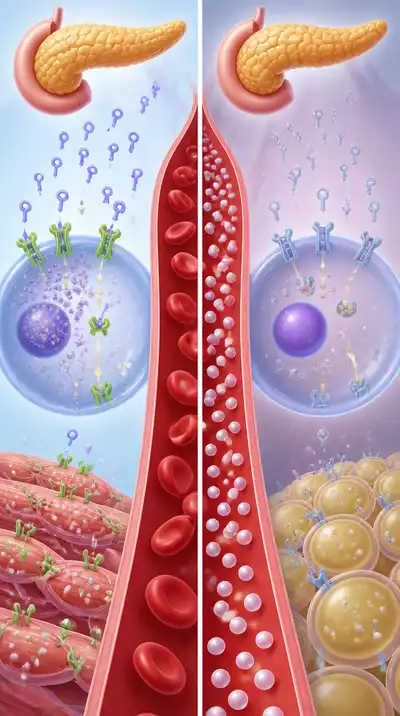
What is Insulin Resistance?
- Cells less responsive to insulin
- Body needs more insulin
- Higher blood sugar levels
- Increased fat storage & risk of diabetes
Impacts energy, weight, and metabolic health.
Have you ever felt sluggish, hungry, or unfocused? These could be signs of insulin resistance affecting your daily life. Understanding how this condition works and exploring effective management strategies, like fasting, can radically transform your health journey.
This visual outlines the core aspects of insulin resistance and how various fasting protocols contribute to its reversal, focusing on key impacts and effective strategies.
Impacts energy, weight, and metabolic health.
Allows cells to recharge and recover.
Choose based on daily routine & commitments.
Maximize benefits by optimizing food choices.
Insulin resistance is a condition where the body's cells become less responsive to the hormone insulin, which is crucial for regulating blood sugar levels. This can lead to increased blood sugar levels and, over time, may contribute to serious health issues like type 2 diabetes. Understanding insulin resistance is vital because it can affect our energy levels, weight management, and overall health. So, why should we pay attention? Because addressing insulin resistance is key to achieving sustainable weight loss and improving metabolic health!
One of the effective strategies for managing insulin resistance is fasting. Fasting Mechanics explores various fasting methods that can help improve insulin sensitivity, and in turn, assist in weight loss. By learning how fasting influences our body's response to insulin, we can take significant steps towards better health.
Insulin resistance occurs when cells in the muscles, fat, and liver do not respond well to insulin. This means that the body requires more insulin to help glucose enter the cells. Over time, this can lead to higher insulin levels in the bloodstream, which can prompt the body to store more fat and increase the risk of cardiovascular disease. Recognizing the signs of insulin resistance—like fatigue, increased hunger, and difficulty concentrating—can empower you to make informed health choices.
Addressing insulin resistance early can be life-changing! By incorporating fasting into your routine, you may effectively lower insulin levels and support your body's natural ability to manage blood sugar.
Fasting has been shown to improve insulin sensitivity, making it a powerful tool in the management of insulin resistance. When we fast, our bodies shift from using glucose as the primary energy source to burning fat. This metabolic switch plays a crucial role in reducing insulin resistance. Studies indicate that intermittent fasting can enhance insulin sensitivity by allowing our cells time to recharge and recover.
Implementing a fasting routine might feel daunting at first, but remember that even small changes can lead to significant benefits! Start slow, and allow your body to adapt to this new rhythm. For more detailed information on how fasting impacts your metabolism, read our article on Fasting's Role in Insulin Sensitivity.
Blood sugar levels are directly linked to insulin resistance. When we consume foods high in sugars and refined carbohydrates, our blood sugar levels spike, prompting the pancreas to release more insulin. Over time, chronic high blood sugar can lead to insulin resistance. Therefore, monitoring and managing blood sugar is essential for anyone aiming to improve their metabolic health.
By understanding how blood sugar affects our body, we can make informed decisions about our diets and fasting practices. Remember, at Fasting Mechanics, we're here to guide you on your journey towards better health through research-backed insights and practical advice!
Here's a brief recap of the key points discussed so far:
Choosing the right fasting protocol is crucial for achieving insulin resistance reversal. With so many options available, it's important to find one that fits seamlessly into your lifestyle. I often remind my clients that fasting isn't a one-size-fits-all approach; it's about discovering what works best for you!
Consider your daily routine, work commitments, and personal preferences when selecting a fasting schedule. Some may thrive with a simple 16:8 plan, while others might prefer alternate-day fasting. The key is to experiment and see what feels sustainable over time.
When it comes to selecting a fasting schedule, there are several factors to take into account. The ideal plan should cater to your daily habits and commitments. Here are a few popular options to consider:
By assessing your lifestyle and identifying which methods align best with your daily routine, you can set yourself up for long-term success in managing insulin resistance.
Crafting a personalized fasting plan involves more than just picking a schedule; it requires consideration of meal timing and food choices to maximize the benefits of fasting. I often suggest that my clients keep a food diary to track how different meals impact their energy levels and overall well-being. For comprehensive insights into optimizing your eating windows, explore our guide on Optimal TRE Windows for Insulin.
As you create your plan, think about your daily activities and when you typically feel the hungriest. Align your eating windows with these patterns to help maintain motivation and adherence.
Meal timing can significantly influence the effectiveness of your fasting protocol. Here are some insights to consider:
With these tips, you'll be well on your way to establishing a fasting plan that promotes insulin sensitivity and enhances your health journey!
Connecting with others who are navigating a similar journey can make a world of difference in your fasting experience. At Fasting Mechanics, we're not just about information; we believe in building a community where support and encouragement thrive!
Whether you’re just starting or you’ve been fasting for a while, engaging with a supportive community can provide the motivation you need to stay committed.
Participating in community support can offer invaluable resources as you embark on your fasting journey. Here’s how to leverage these opportunities:
When you surround yourself with people who share your health goals, it often becomes easier to stay motivated and accountable!
Hearing from others who have successfully navigated their fasting journeys can provide inspiration and practical tips. Personal stories often highlight the challenges and triumphs that come with fasting.
If you're looking for real-life examples, consider tapping into testimonials and expert insights shared through our community. These stories can help illuminate the path forward for your own fasting experience.
Online forums and support groups are treasure troves of knowledge! Here are some benefits of engaging with these communities:
As you navigate your fasting path, remember that you’re not alone. Utilize these resources to stay motivated!
Now that you've explored different fasting protocols and engaged with your community, it’s time to take action! Making informed choices is key to reversing insulin resistance and improving your overall health.
Remember, progress is a journey. Each step you take towards understanding fasting and its benefits brings you closer to your health goals.
As you continue on your journey, consider implementing the following next steps:
Taking these actionable steps will not only bolster your commitment but also enhance your results!
Finding the right fasting protocol is often a matter of trial and error. Don’t hesitate to experiment with different schedules and meal timing until you discover what works best for you. After all, listening to your body is the best guide!
Each individual's journey is unique, and I encourage you to embrace this process with an open mind. The rewards of weight loss and improved body composition await you!
As you experiment with your fasting routine, remember to recognize and celebrate your progress. The benefits of fasting on weight loss and body composition can be profound, leading to enhanced metabolic health and improved insulin sensitivity. Stay focused on your goals! With patience and persistence, you’ll notice the positive changes that come with dedication to your fasting journey.
Here is a quick recap of the important points discussed in the article:
Dr. Avery R. Lawson is an independent health researcher dedicated to making complex metabolic and nutrition science accessible. With a focus on the physiological effects of fasting, she interprets and communicates research findings to empower individuals in their health journeys. Through evidence-based insights, Dr. Lawson aims to demystify weight loss and promote sustainable wellness practices at Fasting Mechanics.